In brief
An unprecedented jellyfish surge has prompted EDF to shut down two of six reactors at Gravelines, France’s biggest nuclear plant. The aliens clog the seawater filtration system that cools the reactors, posing a risk to plant safety. The shutdown follows a similar incident last August when jellyfish forced a temporary halt. EDF is pursuing measures, including working with fishermen to redirect jellyfish offshore, to avoid future disruptions.
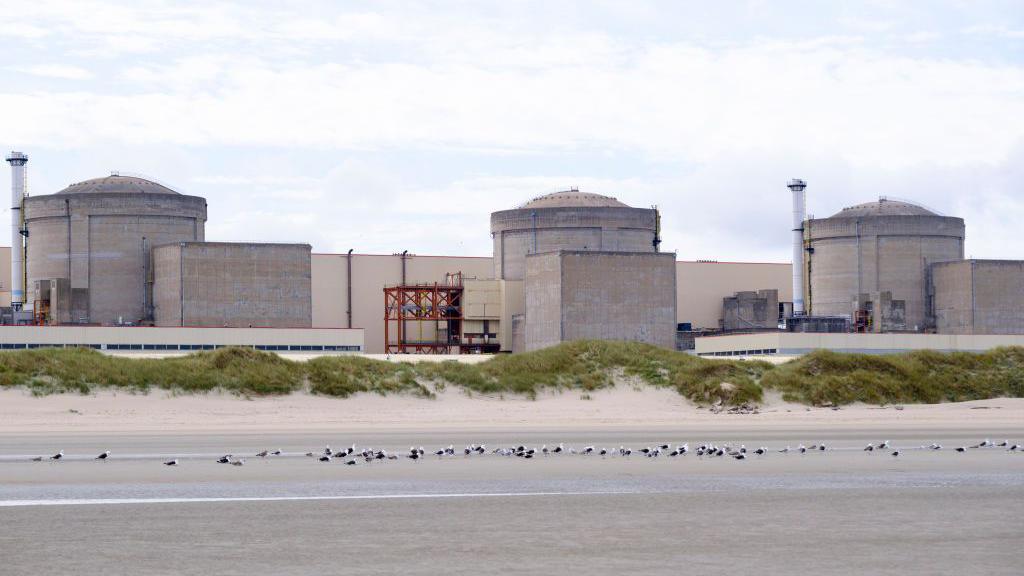
Massive jellyfish influx has forced EDF to shut down two of six reactors at the Gravelines plant, located between Dunkirk and Calais. The insects clog the seawater filtration system that cools the reactors, raising safety concerns. A third unit has been shut since 10 August for the same reason, while a fourth awaits inspection. The station’s six 900‑megawatt units rely on a canal tied to the North Sea for cooling.
These jellyfish, which are more active in warmer months, are attracted to surface plankton blooms that surface due to rising temperatures. EDF said it has partnered with local fishermen to capture and release jellyfish further offshore, aiming to reduce future filtration blockages. Similar incidents have occurred at Torness in Scotland (2011) and Oskarshamn in Sweden (2013), but such cases remain rare. With the national grid relying on consistent output from Gravelines, EDF is balancing recovery and safety as it restores full operational capacity.