When local residents in Ketapang, West Kalimantan lost a male orangutan to the rolling ash, the standout fact was the animal’s weakness after the fire’s intense heat—an indelible reminder of the swift threat posed by Borneo’s summer blaze.
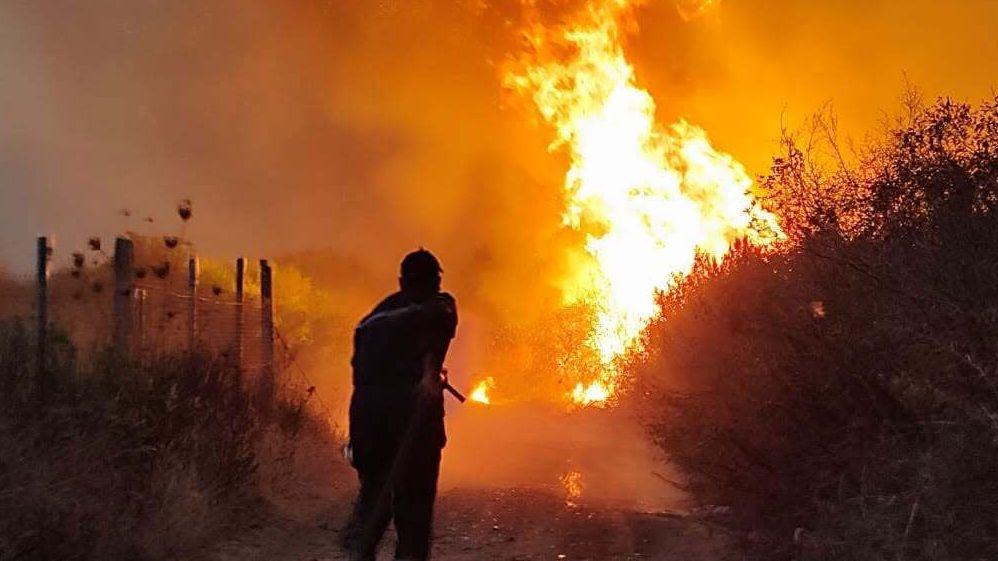
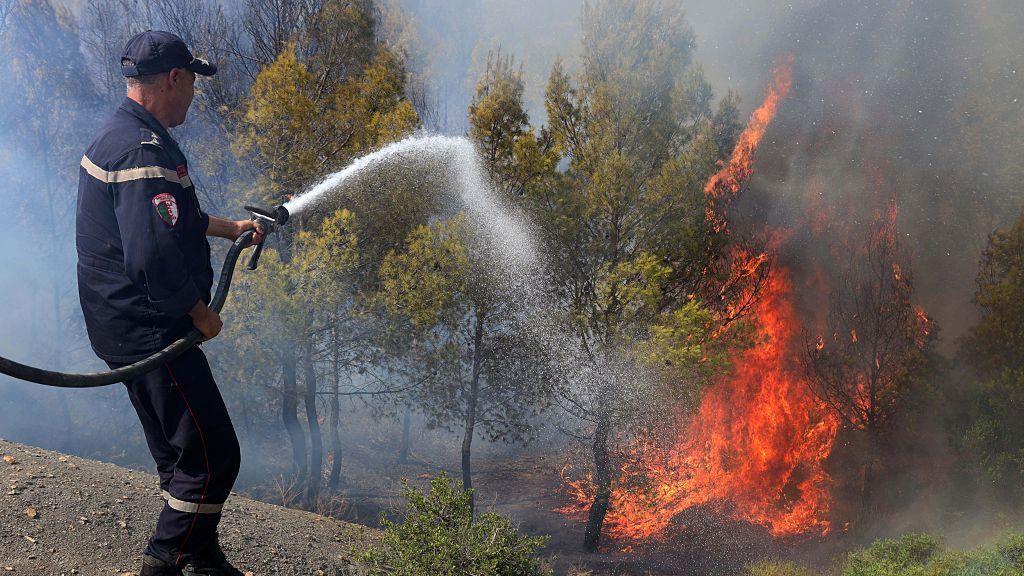
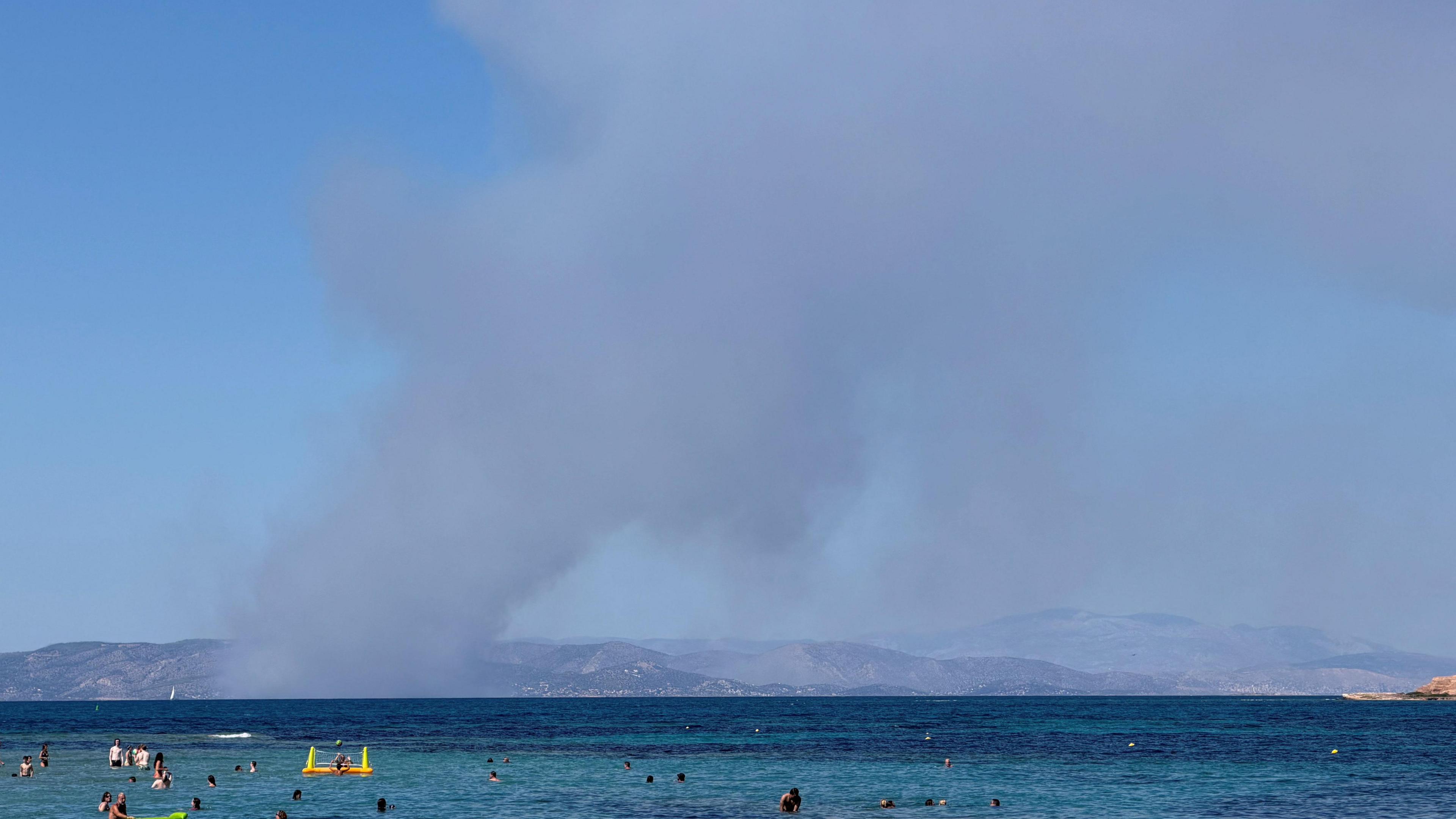
Indonesia’s fire‑fighting command moved to stamp out flames across six provinces on Borneo and the nearby Sumatra, yet the smoke‑choked haze has continued to swirl, denting the air quality and crucially cutting off food and water sources for the primates.
“The situation is quite critical,” declared Karmele Llano Sanchez, chief executive of Yayasan Inisiasi Alam Rehabilitasi Indonesia (YIARI). “These fires are leaving [orangutans] without any food or water,” he added, underscoring how fast the fires are reshaping the ecosystem.
YIARI’s rescue team is transporting the weakened orangutan to a local rehabilitation centre, where veterinary care will aim to restore the animal to strength before a safe re‑release into a protected reserve.
With each wildfire, the terrain home to Borneo’s precious orangutans recedes further, making conservation groups increasingly pivot to urgent, on‑the‑ground interventions while calling for broader regional fire‑management reforms that address both climate-driven heat waves and rapid deforestation.