Colombia's President Gustavo Petro has told the BBC that he believes there is now a real threat of US military action against Colombia. Petro said the US is treating other nations as part of a US empire. It comes after Trump said a military operation in Colombia sounds good. Petro warned that the US risks transforming from dominating the world to becoming isolated from the world.
He also accused US Immigration and Customs Enforcement (ICE) agents of acting like Nazi brigades. Trump has significantly expanded ICE operations as part of what the administration says is a crackdown on crime and immigrants who entered the US illegally.
In a recent phone call with Trump, which Petro characterized as predominantly carried out by himself, they discussed drug trafficking, Colombia's stance on Venezuela, and regional dynamics relating to US influence. Although the call seemed to signal a shift in rhetoric, Petro's responses indicate that diplomatic relations still appear tense.
Petro expressed strong discontent with Trump's comments threatening military action and highlighted Colombia’s historical losses due to such conflicts. He underscored the need for dialogue and reinforced that Colombia's strategy would rely on its people and geographical advantages rather than military confrontation.
The relationship between Colombia and the US has been fraught with challenges, particularly regarding issues of drug trafficking and immigration. Petro’s administration advocates for peace with armed groups, emphasizing dialogue but also recognizing the military’s role in dealing with those resistant to peace efforts.
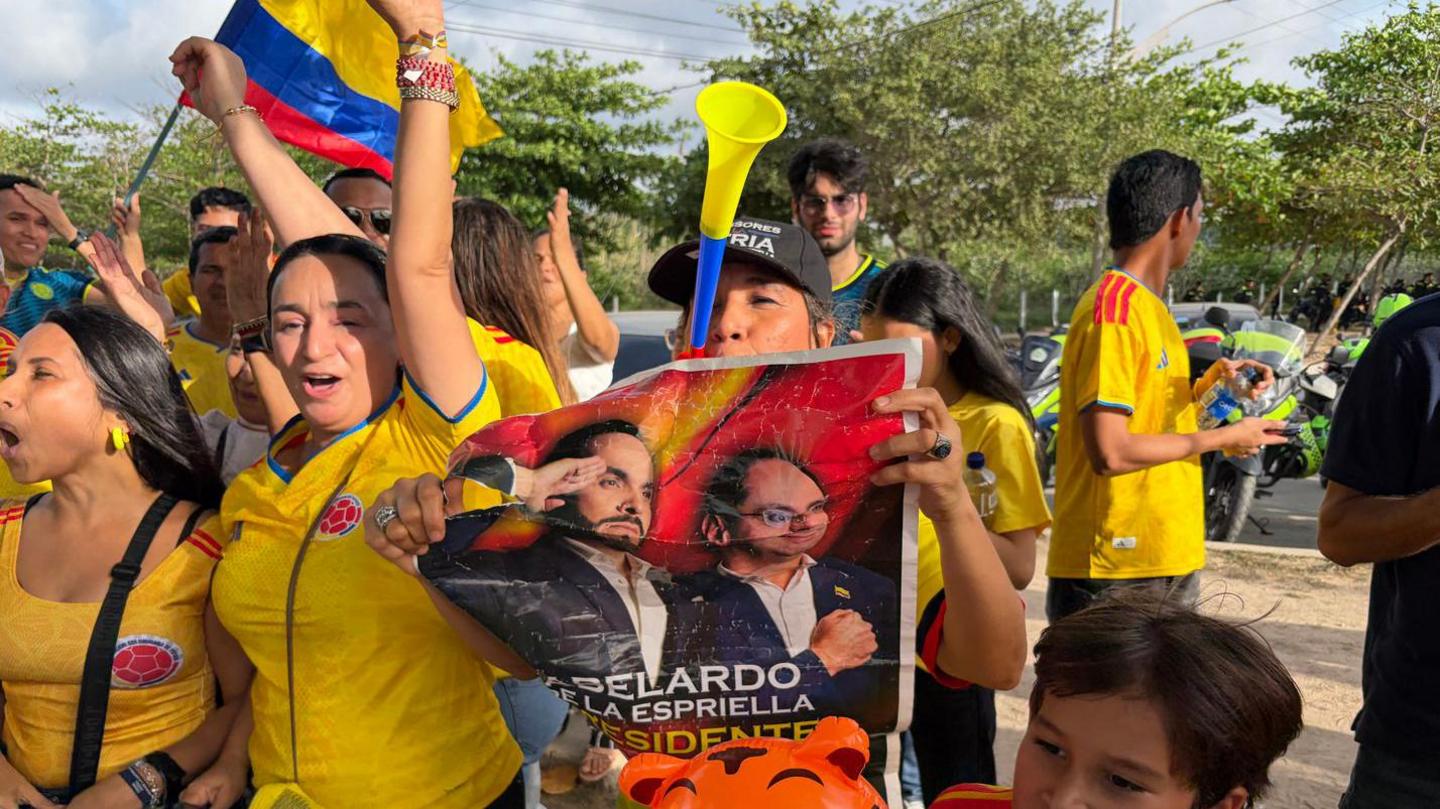
As one of the world's largest cocaine producers, Colombia remains crucial in the international drug trade. Recent US military actions against Venezuela and aggressive immigration policies have compounded tensions, leading to protests across Colombia as citizens defend their sovereignty against perceived external threats.
Petro concluded that the conversations with the US and Colombia's historical experiences play a crucial role in determining how these threats can be mitigated. He reiterated his commitment to explore diplomatic channels while preparing to protect Colombian interests.
He also accused US Immigration and Customs Enforcement (ICE) agents of acting like Nazi brigades. Trump has significantly expanded ICE operations as part of what the administration says is a crackdown on crime and immigrants who entered the US illegally.
In a recent phone call with Trump, which Petro characterized as predominantly carried out by himself, they discussed drug trafficking, Colombia's stance on Venezuela, and regional dynamics relating to US influence. Although the call seemed to signal a shift in rhetoric, Petro's responses indicate that diplomatic relations still appear tense.
Petro expressed strong discontent with Trump's comments threatening military action and highlighted Colombia’s historical losses due to such conflicts. He underscored the need for dialogue and reinforced that Colombia's strategy would rely on its people and geographical advantages rather than military confrontation.
The relationship between Colombia and the US has been fraught with challenges, particularly regarding issues of drug trafficking and immigration. Petro’s administration advocates for peace with armed groups, emphasizing dialogue but also recognizing the military’s role in dealing with those resistant to peace efforts.
As one of the world's largest cocaine producers, Colombia remains crucial in the international drug trade. Recent US military actions against Venezuela and aggressive immigration policies have compounded tensions, leading to protests across Colombia as citizens defend their sovereignty against perceived external threats.
Petro concluded that the conversations with the US and Colombia's historical experiences play a crucial role in determining how these threats can be mitigated. He reiterated his commitment to explore diplomatic channels while preparing to protect Colombian interests.