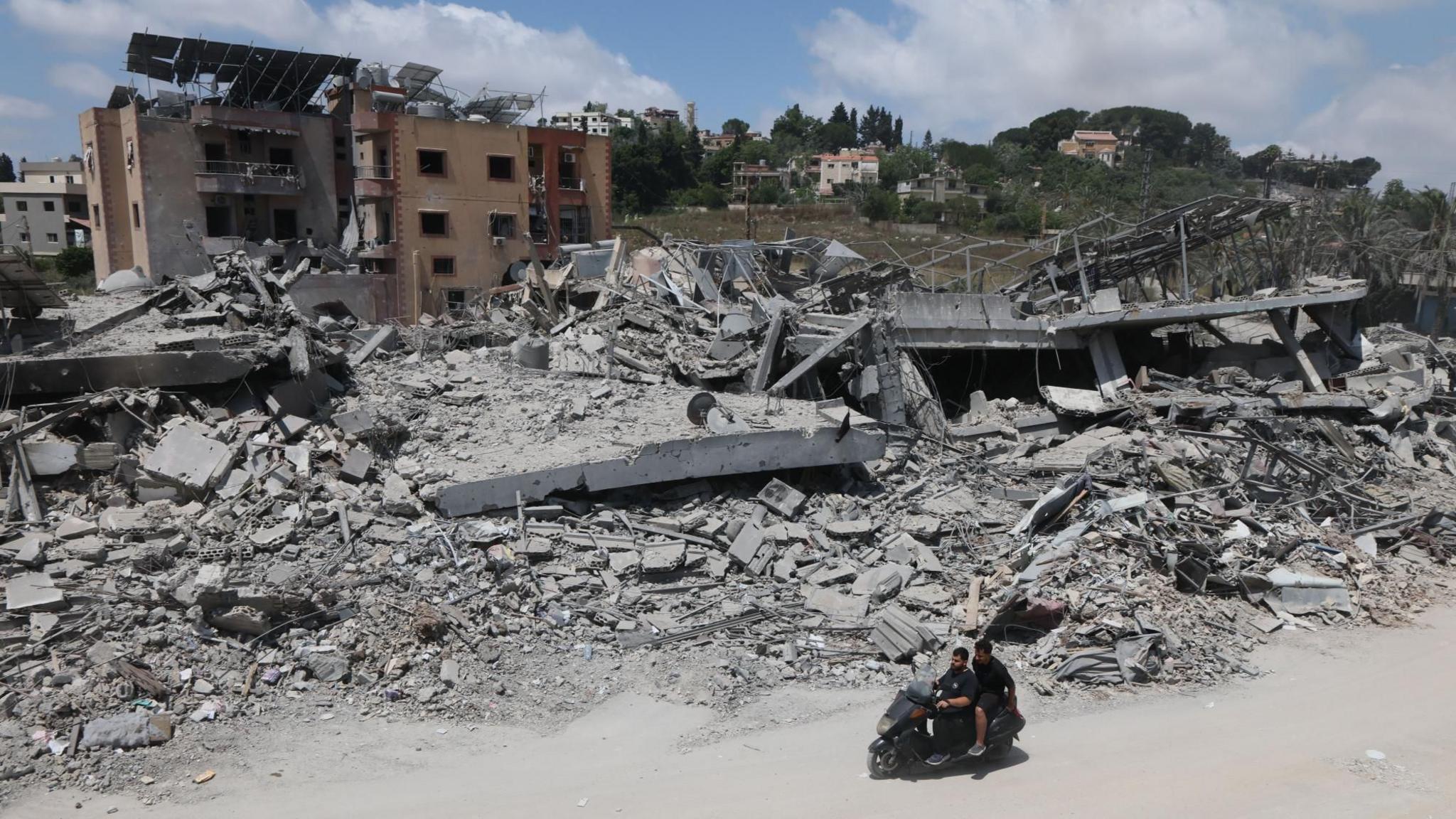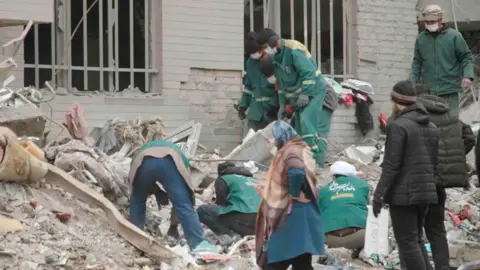
A mother stands by the rubble, crying out for her daughter. For days she has been waiting for rescue workers to dig through the flattened remains of what was once her daughter's flat in Resalat, a residential district in eastern Tehran. They don't have the manpower to get her out, the woman says. My daughter is under the rubble... she's afraid of the dark.
For a month, Iran has been at war with the US and Israel, which have been carrying out strikes across the country at targets linked to the regime. But these attacks are also having a devastating impact on civilians living nearby, caught between bombardment from the skies and a repressive regime that responded to anti-establishment protests with a deadly crackdown in January.
Since the start of the war, BBC Eye has gathered exclusive footage from independent journalists inside Tehran, which the BBC has rarely accessed. Analysis shows there has been a series of attacks on state-linked targets embedded in civilian neighborhoods, leading to deadly consequences for those living around them.
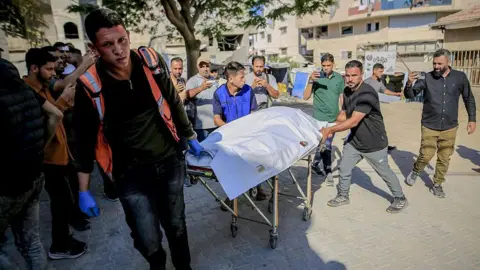
Military experts assess that the scale and spread of destruction in areas like Resalat align with the use of large military explosives, particularly the Mark 84 bomb. Civilian infrastructure now lies in ruins, prompting questions about the legality and ethics of targeting military installations in densely populated areas. As strikes continue, the toll on civilians mounts, with the US-based Human Rights Activists News Agency reporting at least 1,464 civilian deaths, including 217 children.
Yet, amidst the chaos, many residents are haunted by the loss of their homes and loved ones. This was our life, says a survivor, now displaced and staying in a nearby hotel, lamenting the absence of safety measures from their government. With no sirens or warnings preceding the strikes, residents describe a growing sense of vulnerability, fearing for their safety amidst ongoing military operations that show little sign of a reprieve.
For a month, Iran has been at war with the US and Israel, which have been carrying out strikes across the country at targets linked to the regime. But these attacks are also having a devastating impact on civilians living nearby, caught between bombardment from the skies and a repressive regime that responded to anti-establishment protests with a deadly crackdown in January.
Since the start of the war, BBC Eye has gathered exclusive footage from independent journalists inside Tehran, which the BBC has rarely accessed. Analysis shows there has been a series of attacks on state-linked targets embedded in civilian neighborhoods, leading to deadly consequences for those living around them.
Military experts assess that the scale and spread of destruction in areas like Resalat align with the use of large military explosives, particularly the Mark 84 bomb. Civilian infrastructure now lies in ruins, prompting questions about the legality and ethics of targeting military installations in densely populated areas. As strikes continue, the toll on civilians mounts, with the US-based Human Rights Activists News Agency reporting at least 1,464 civilian deaths, including 217 children.
Yet, amidst the chaos, many residents are haunted by the loss of their homes and loved ones. This was our life, says a survivor, now displaced and staying in a nearby hotel, lamenting the absence of safety measures from their government. With no sirens or warnings preceding the strikes, residents describe a growing sense of vulnerability, fearing for their safety amidst ongoing military operations that show little sign of a reprieve.