Bangladesh Faces Measles Crisis: 750 Deaths in Four Months
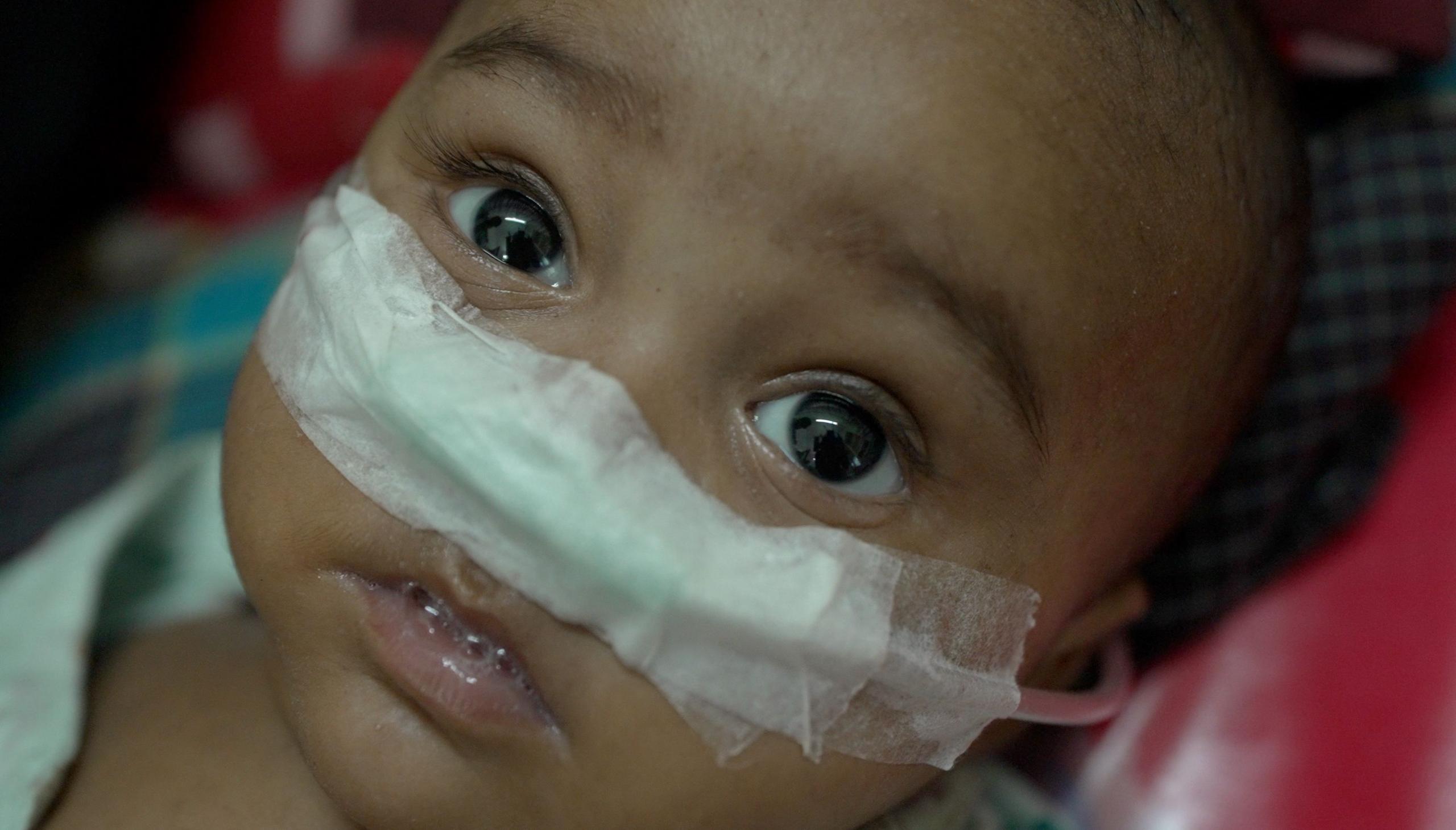
“I have never seen an outbreak this huge,” says paediatrician Dr Mohammed Golam Mawla in a meagre ward in Mymensingh. Earlier this year Bangladesh was noted by the World Health Organization to have made “substantial progress” towards measles elimination, with coverage above 90% for years.
That progress collapsed after March when the government’s vaccine pipeline stalled. Political turmoil, a brief pause after a 2024 protest against the former prime minister, and administrative delays in ordering new supplies created a sudden shortage. The country’s most recent mass immunisation campaigns were halted during the pandemic and never resumed.
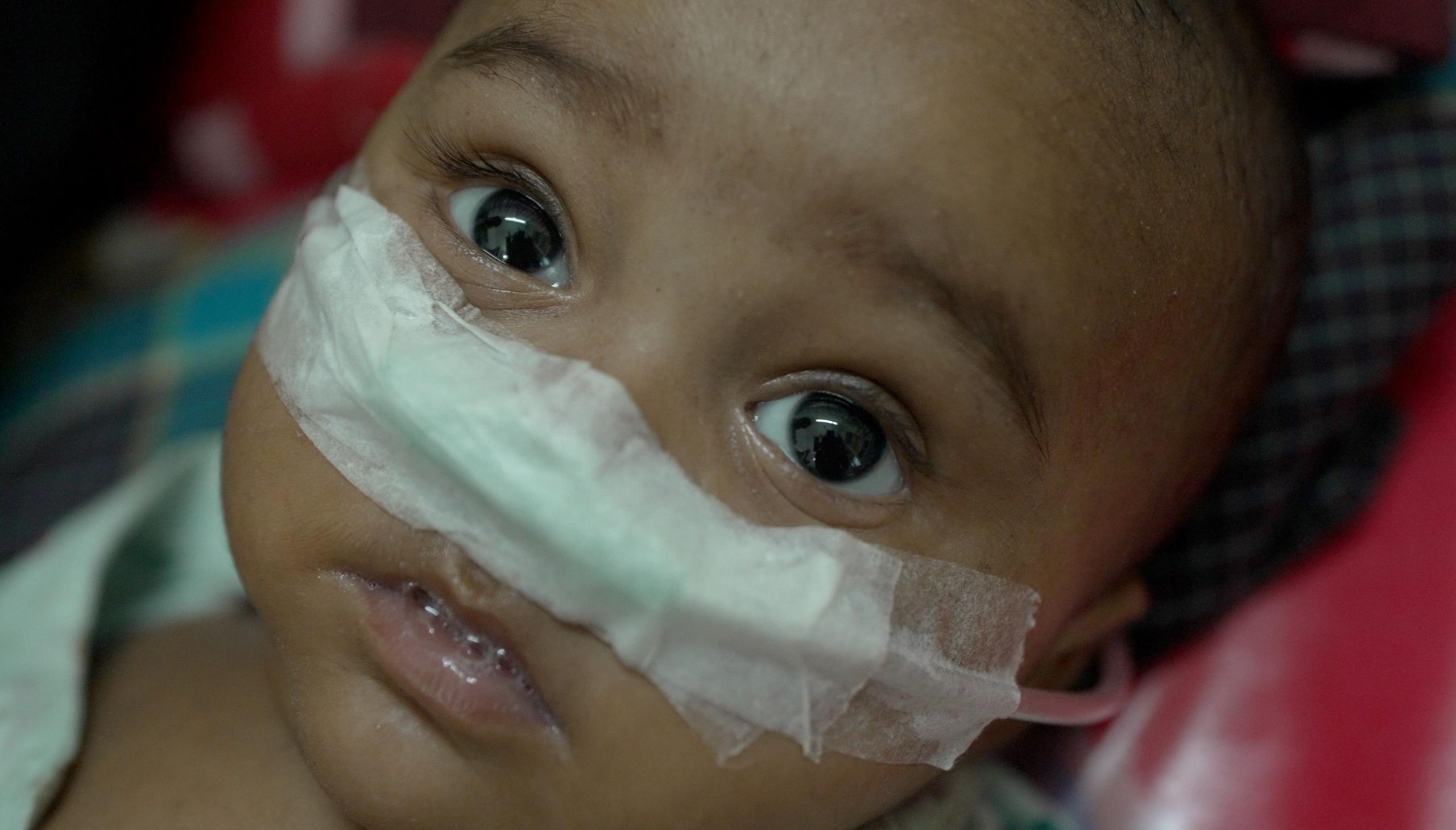
The impact is stark: the Medical College Hospital ward in Mymensingh is operating at more than double capacity, with 130 patients in 32 rooms, many sharing blankets on the floor. Reports of meagre oxygen tubes and exhausted parents illustrate the strain on healthcare workers.
UNICEF and the government initiated an emergency vaccination campaign in April, inoculating over 18 million children. While reported cases and deaths have eased, Bangladesh still reports around 1,000 measles suspects daily, and one child dies every Tuesday.
Health Minister Sardar Sakhawat Hossain acknowledges the system’s limits but asserts that the situation is expected given Bangladesh’s 170‑million population, yet experts like Mushtuq Husain insist the figures are the “tip of the iceberg.” The country faces an urgent need for sustained surveillance, community education and supply chain reliability to avert further loss of life.