Door‑to‑Door: Nurses Combat Measles Outbreak in Amish Communities
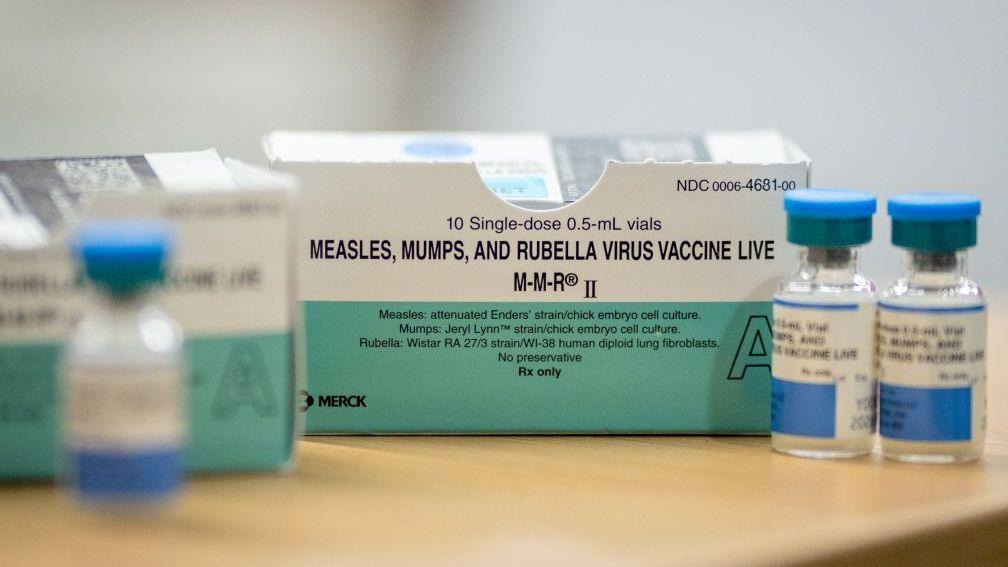
In the quiet rural lanes of Lancaster and Chester counties, a nurse armed with a bag of MMR vials is making house‑to‑house visits to curb a deadly measles outbreak.
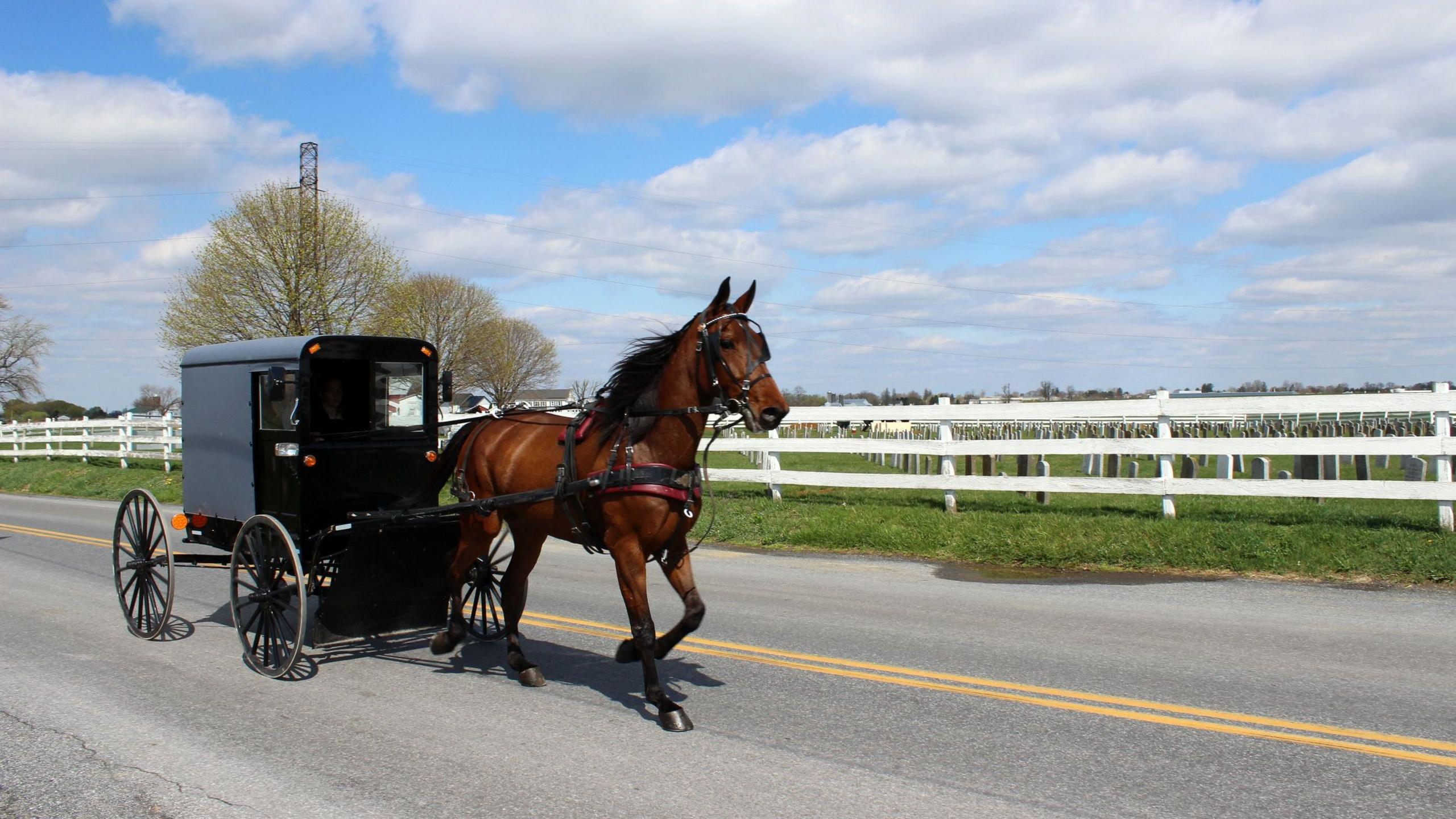
Dale Weiser – a clinical supervisor for Chester County’s Health Department – has driven up to 30 miles each day since late April to reach Amish families that typically avoid hospitals and clinics. Even in an era of tele‑medicine, the Amish community’s reliance on horse‑and‑buggy travel and limited internet access makes door‑to‑door vaccination a necessary tactic.
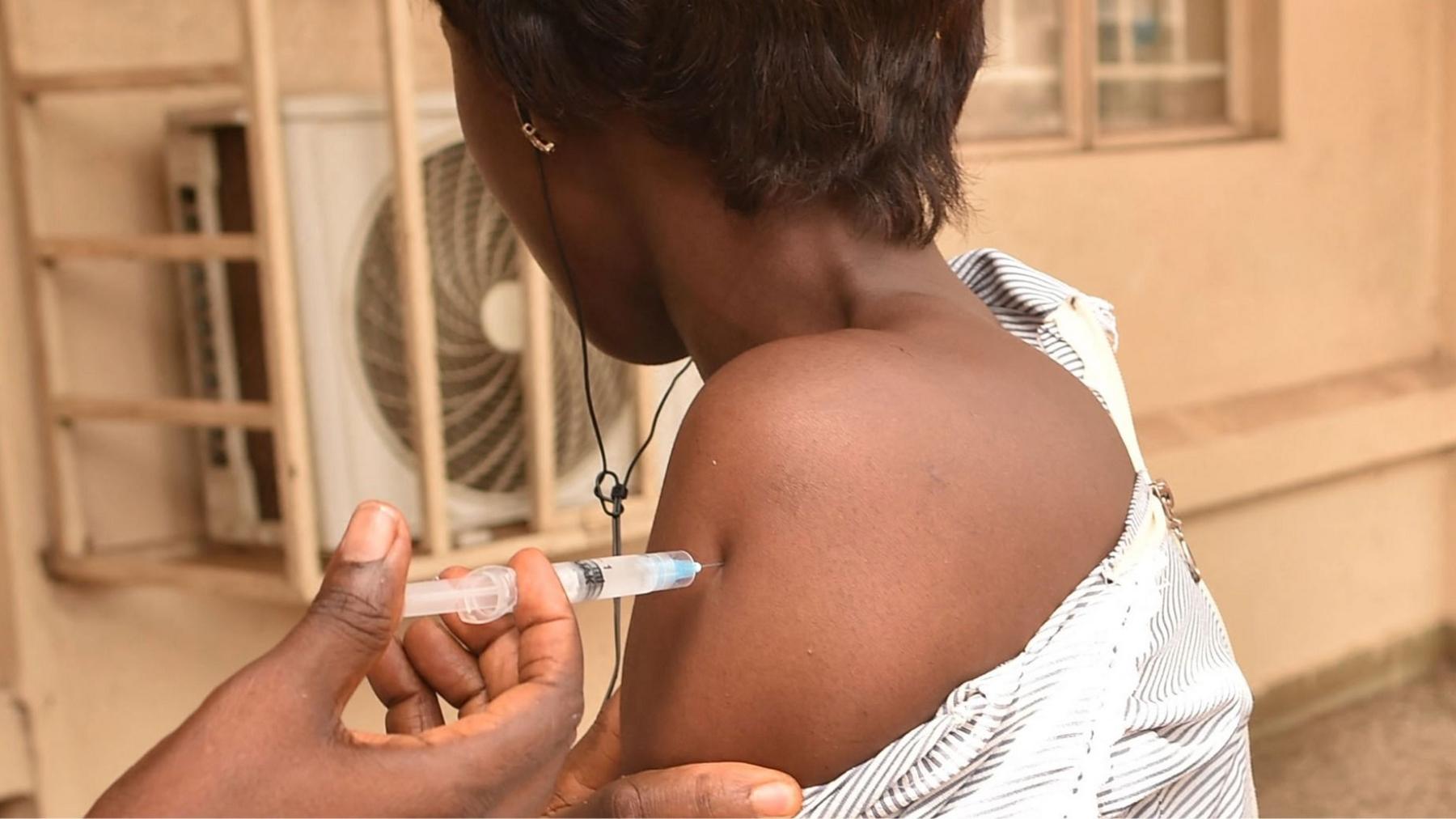
Weiser explains that a large portion of Amish residents do not hold health insurance or have regular contact with healthcare providers, which has resulted in a low MMR uptake. A recent survey estimates that only about 25% of Lancaster‑area Amish have received the measles vaccine. By talking directly with families, answering questions, and providing the injection in a familiar kitchen setting, Weiser has vaccinated around 100 people so far.
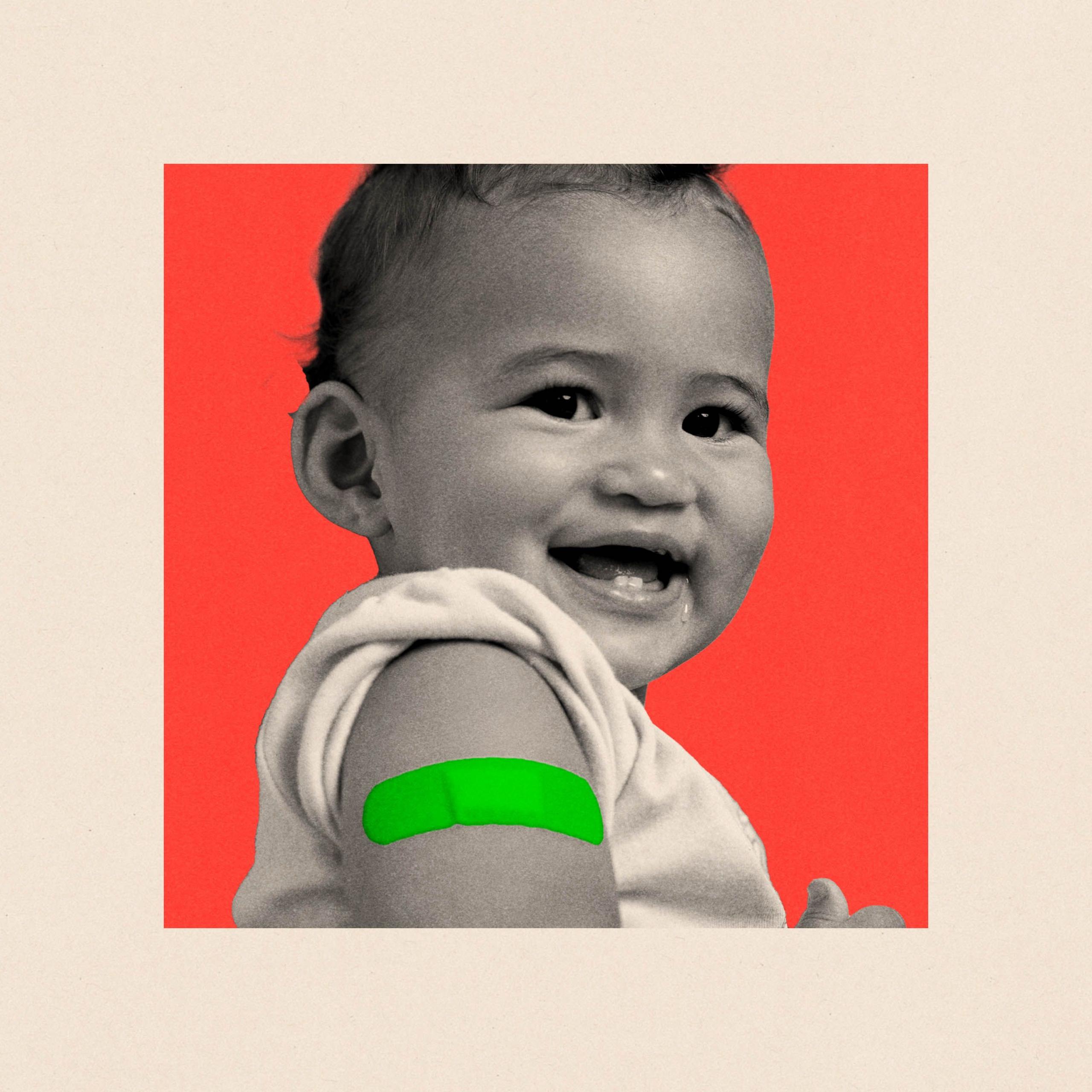
The state health department has administered nearly 4,300 MMR shots in pop‑up clinics near the outbreak epicentre. Despite this effort, four deaths – including two infants – have been linked to measles complications, marking the most fatal outbreak in the United States since 1992.
Healthcare officials point to misinformation and governmental skepticism as contributing to vaccine hesitancy. Robert F. Kennedy Jr. has challenged the reported infant deaths, and a former president’s executive order suggested splitting the MMR shot into three separate injections – a move criticised by pediatric specialists as unnecessary and costly.
The Door‑to‑Door approach has also helped to dispel myths. Weiser says she frequently encounters doubts such as “Is there a metal in the shot?” and “Does the vaccine contain a microchip?” By building trust one family at a time, health workers are turning caution into consent.
As schools prepare to open, experts warn that measles can spread rapidly in dense, socially connected communities. The state’s strategy is now focused on prevention, deterrence, and de‑escalation of the outbreak through personalized outreach.
In a landscape where medical access intersects with deeply held traditions, the nurses’ tireless drive to doorsteps exemplifies how public health initiatives can rise from the ground up to protect vulnerable populations.