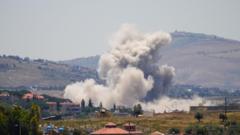
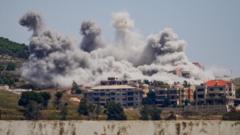
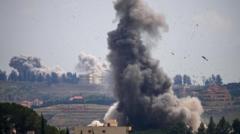
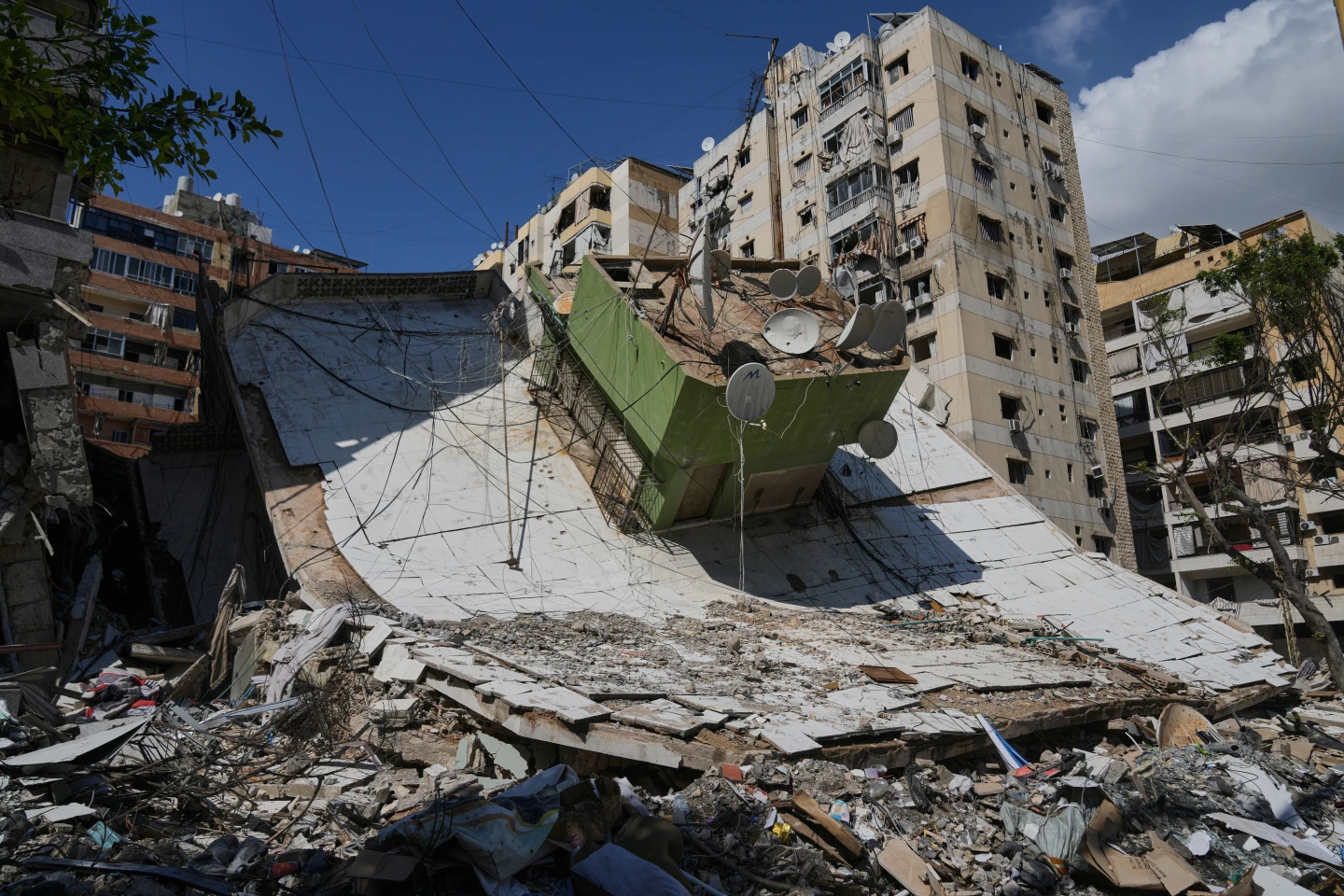
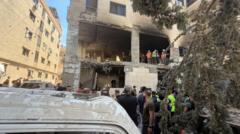
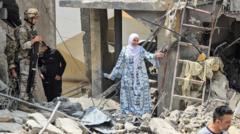
Amnesty’s report scrutinizes Israel's actions from October 2023 to July 2024, documenting what it termed “repeated direct attacks on civilians” and severe limitations on humanitarian aid deliveries. While Israel maintains that its military operations are directed at Hamas and not civilians, the implications of the report are profound, especially as it coincides with the International Court of Justice's consideration of similar accusations made by South Africa.
The gravity of the genocide accusation calls forth a sensitive historical context for Israel, rooted in the aftermath of the Holocaust. Many argue that it is Hamas' actions, particularly their attack on October 7, 2023, that could warrant international scrutiny for potential war crimes, complicating the narrative further. Amnesty International contends its findings adhere to definitions set forth by the 1948 UN Genocide Convention, which defines genocide based on the intent to destroy specific groups.
As the conflict evolves, the responses to these severe allegations will undoubtedly influence the broader geopolitical landscape and the ongoing discourse regarding human rights violations in conflict zones. While the situation remains complex and charged, it underscores the urgent need for objective scrutiny and action to protect human dignity amidst war.
Adam Rasgon is a reporter for The Times in Jerusalem, focusing on Israeli and Palestinian matters.
The gravity of the genocide accusation calls forth a sensitive historical context for Israel, rooted in the aftermath of the Holocaust. Many argue that it is Hamas' actions, particularly their attack on October 7, 2023, that could warrant international scrutiny for potential war crimes, complicating the narrative further. Amnesty International contends its findings adhere to definitions set forth by the 1948 UN Genocide Convention, which defines genocide based on the intent to destroy specific groups.
As the conflict evolves, the responses to these severe allegations will undoubtedly influence the broader geopolitical landscape and the ongoing discourse regarding human rights violations in conflict zones. While the situation remains complex and charged, it underscores the urgent need for objective scrutiny and action to protect human dignity amidst war.
Adam Rasgon is a reporter for The Times in Jerusalem, focusing on Israeli and Palestinian matters.