Nigeria Evacuates Citizens from South Africa amid Rising Xenophobia
A Nigerian flight that left Johannesburg on Thursday and landed in Lagos today carried 268 citizens among a possible 1,000 who signed up for repatriation amid growing violence and anti‑migrant sentiment in South Africa.
The departure follows a pattern of repatriation that has seen Ghana, Zimbabwe and Malawi evacuate their nationals ahead of the June 30, 2026 deadline set by some campaigners to clear undocumented migrants from the country.
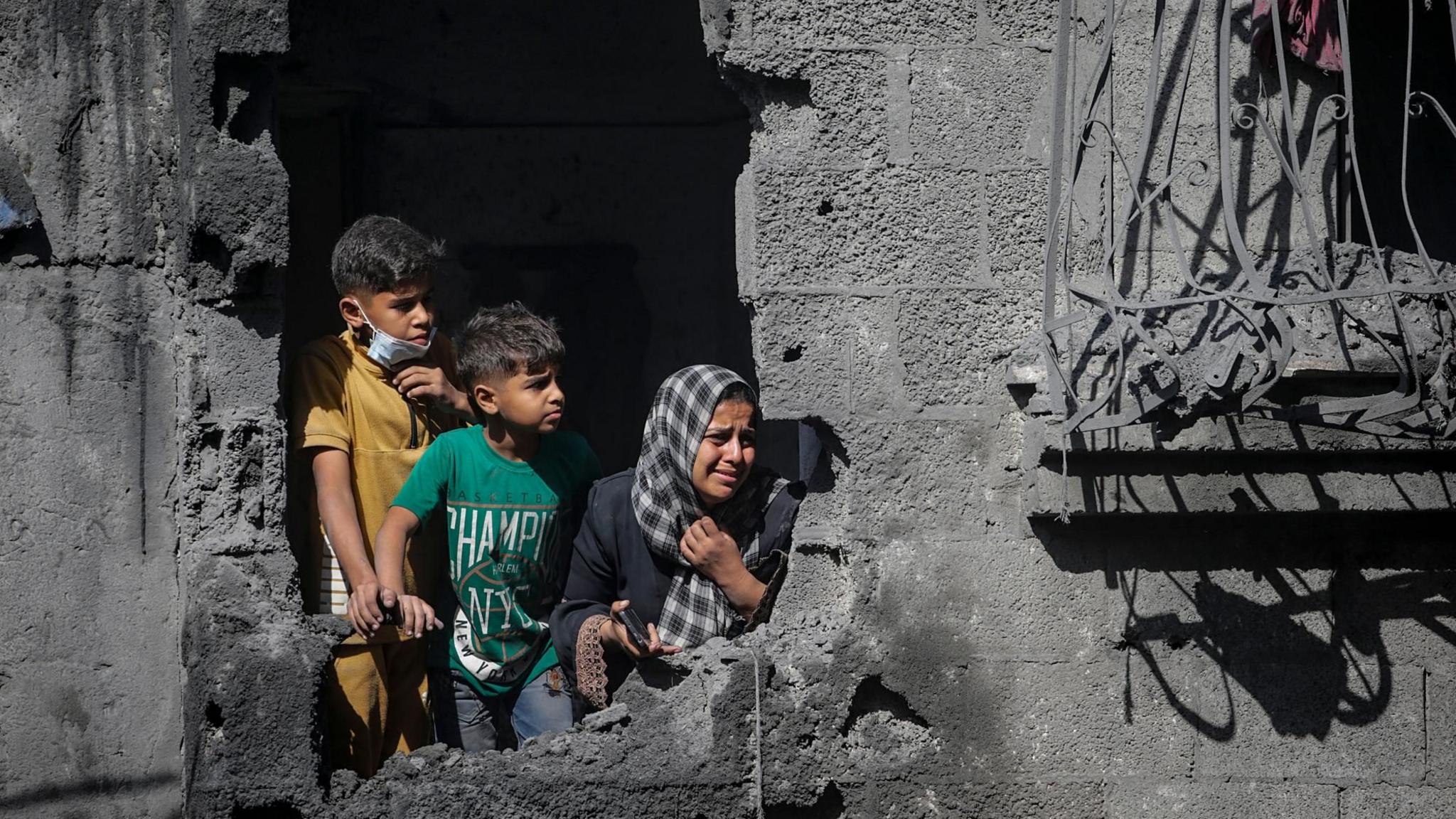
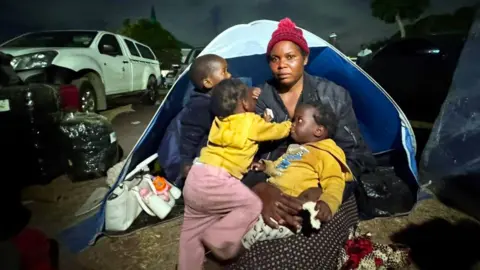
It occurs against a backdrop of South Africa’s unemployment rate exceeding 30% and a series of xenophobic attacks. New protests have marched across major cities, and incidents of harassment have extended from street complaints to violent assaults, such as a taxi attack that forced a Nigerian resident, Justin, to flee with his belongings.
"I’m leaving because of the conditions given us here. They say we must leave on or before 30th June, and because of the way they are killing people, killing our brothers, so I’m not safe," Justin told the BBC. He has lived in South Africa since 1998 and felt increasingly targeted, describing an incident where he was attacked and forced to abandon his phone and possessions.
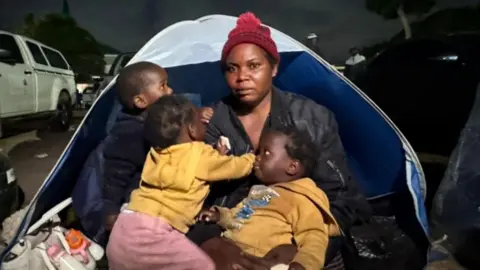
Chinwe Osuala, a hairdresser and mother of three, shared that her business premises were attacked during earlier xenophobic attacks. She said police helped once she called them and expressed deep concerns for her family’s future, noting the psychological toll on her children.
Nigeria’s Diaspora Commission head, Abike Dabiri‑Erewa, told the BBC that the government’s emergency management agency will transport returnees to destinations across all Nigerian states. She added that financial assistance of over 100,000 naira (~$73) and mobile credit was provided to support the returnees’ transition.
The South African Border Management Agency said none of the passengers had legal documents to stay in the country. The consulate is working under delays in processing applications, which might push some people into undocumented status, a concern the Nigerian Consul General, Ninikanwa Okey‑Uche, highlighted.
Political leaders across South Africa have spoken against xenophobia, yet there are calls for increased arrests and decisive action against those perpetuating antisocial behavior. President Cyril Ramaphosa addressed the protests on television, pledging new measures to investigate undocumented employment, expedite deportations, and maintain a biometric database to prevent identity theft.
The local government elections scheduled for November may bring migration into the political spotlight, and the ongoing tensions underscore the need for managed integration and proactive policy responses.
For the flight, the photograph below captures the moment when Nigerian citizens disembark at O.R. Tambo International Airport, illustrating the personal journeys behind the macro‑political narrative.