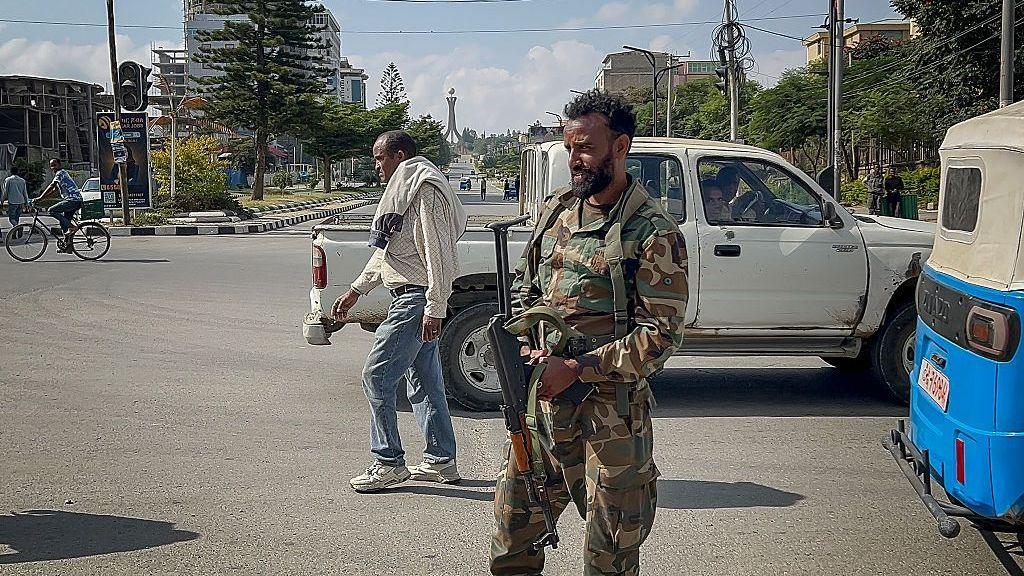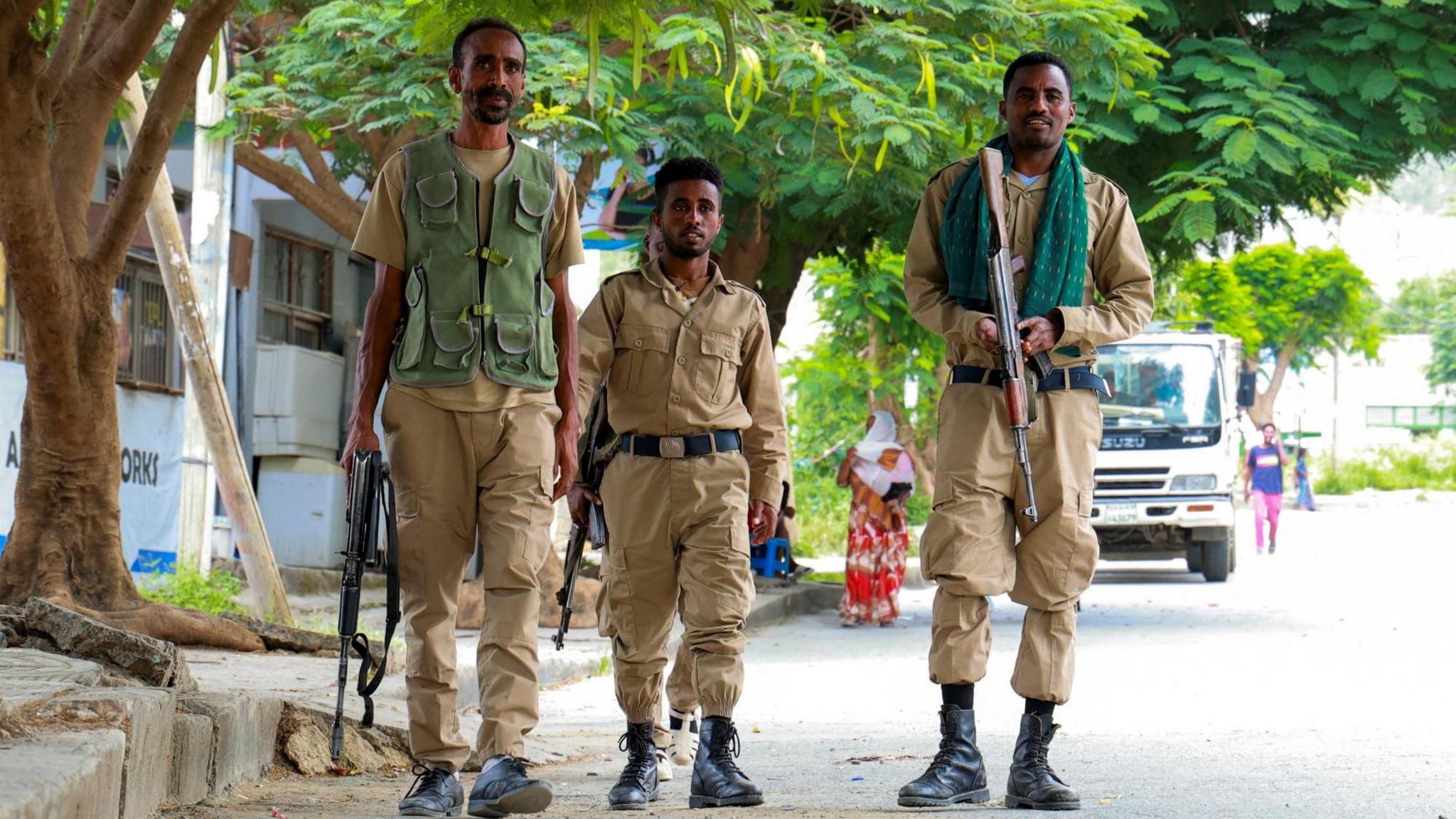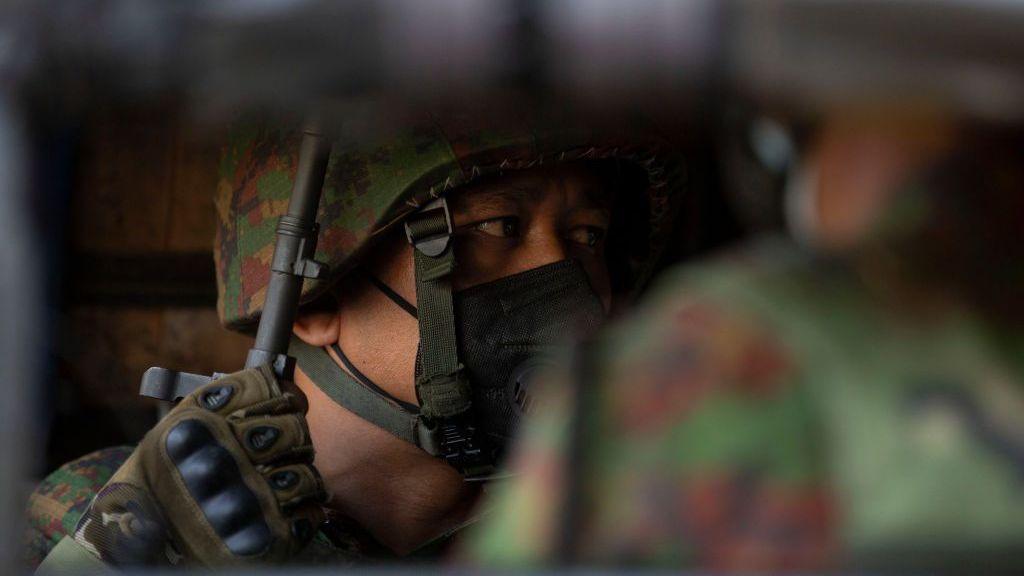
In the twilight of Hpa‑An, Myanmar’s capital of the Karen state, a new terror stalks the streets. Young men who might otherwise drive a tuk‑tuk or walk home are now forced to keep their eyes peeled, lest plain‑clothed soldiers catch them and drag them into the enemy’s fold.
Zaw Min, 26, denies the name he calls himself; the only real‑age son in his family, he says, “I worry, but I have to go out to work.” He reports that locals “are panicked and frightened” as they hear of abductions near the market.
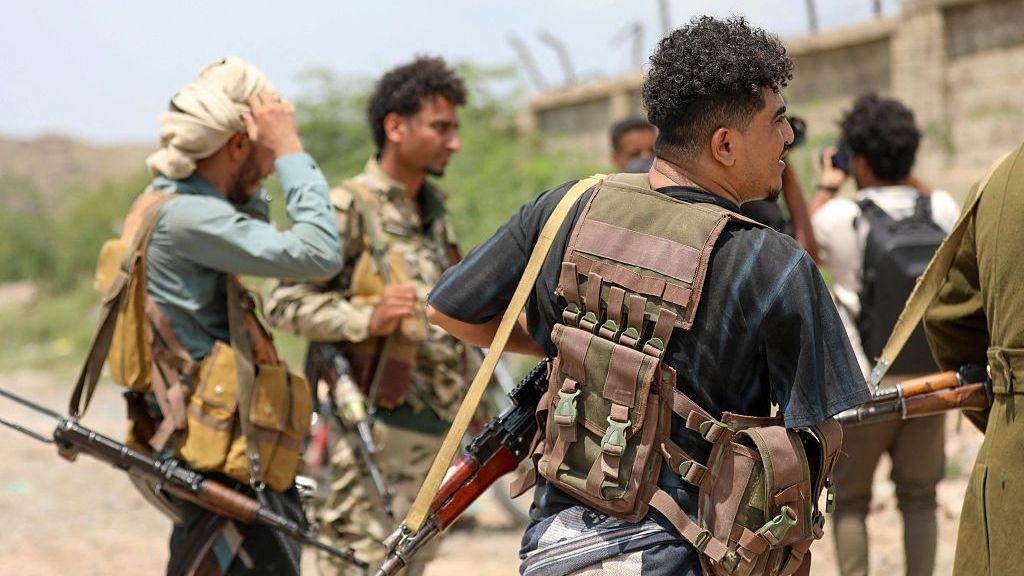
The junta’s statutory recruitment list, triggered by a 2024 law that obliges men 18‑35 to serve at least two years, now operates as a covert supply chain. Authorities are “ordered to aggressively fulfil the military’ s recruitment quotas,” senior officials admit, while thriving in the cheap labour of youth taken from villages and townships.
The system has turned conscription into a form of modern slavery. Cases such as a husband sold from one ward to another, and men lured by fake employment offers and locked in custom cells, underscore how the junta monetises displacement of unregistered recruits.
Data from Myanmar Witness shows a jump in missing‑person posts on Facebook after the law’s enforcement: “In January, 2021 there were only four; by 2025 the figure had risen to 82.” That surge reflects abductions carried out “under the pretext of statutory military eligibility.”
Hearing the law’s clause that higher‑income volunteers can pay to avoid service only widens the gulf between rich and poor. In agricultural villages any man pressed into the “draft” drains the workforce, cripples local farms and pushes families into chronic poverty.
The irony of the junta’s “mandatory conscription” is that it merely eclipses a deeper desperation for soldiers, borrowing from the youth who already carry the weight of years of civil conflict. Their fear is not only of violence against them but of becoming weapons for a regime fighting a war it does not support.