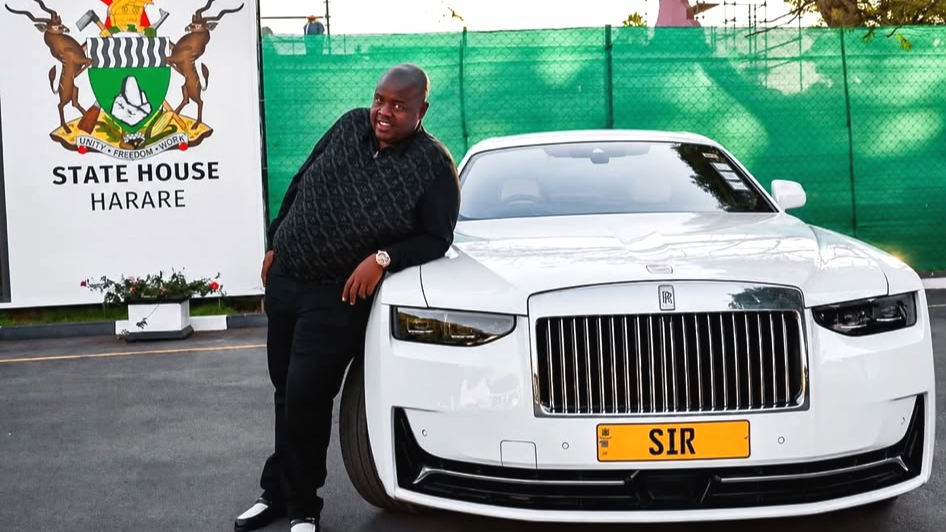
Sir Wicknell Chivayo, the name that dominated headlines the week he and his wife, Lucy Muteke, fell from a helicopter, was a man who stitched together celebrity, politics and opulence into a public persona the world could neither ignore nor dismiss.
Born in 1982, the 45‑year‑old left school at fifteen after his father’s death. He started out as a wages clerk at a bus company, then made a name selling phones and currency from the margins of Zimbabwe’s hyperinflationary crisis. In 2005 a loan‑laundering conviction sent him to Chikurubi prison, but he emerged to dive into energy contracts, partnering Chinese firm CHiNT Electric to bid on a 100‑MW solar project in Gwanda that never materialised.
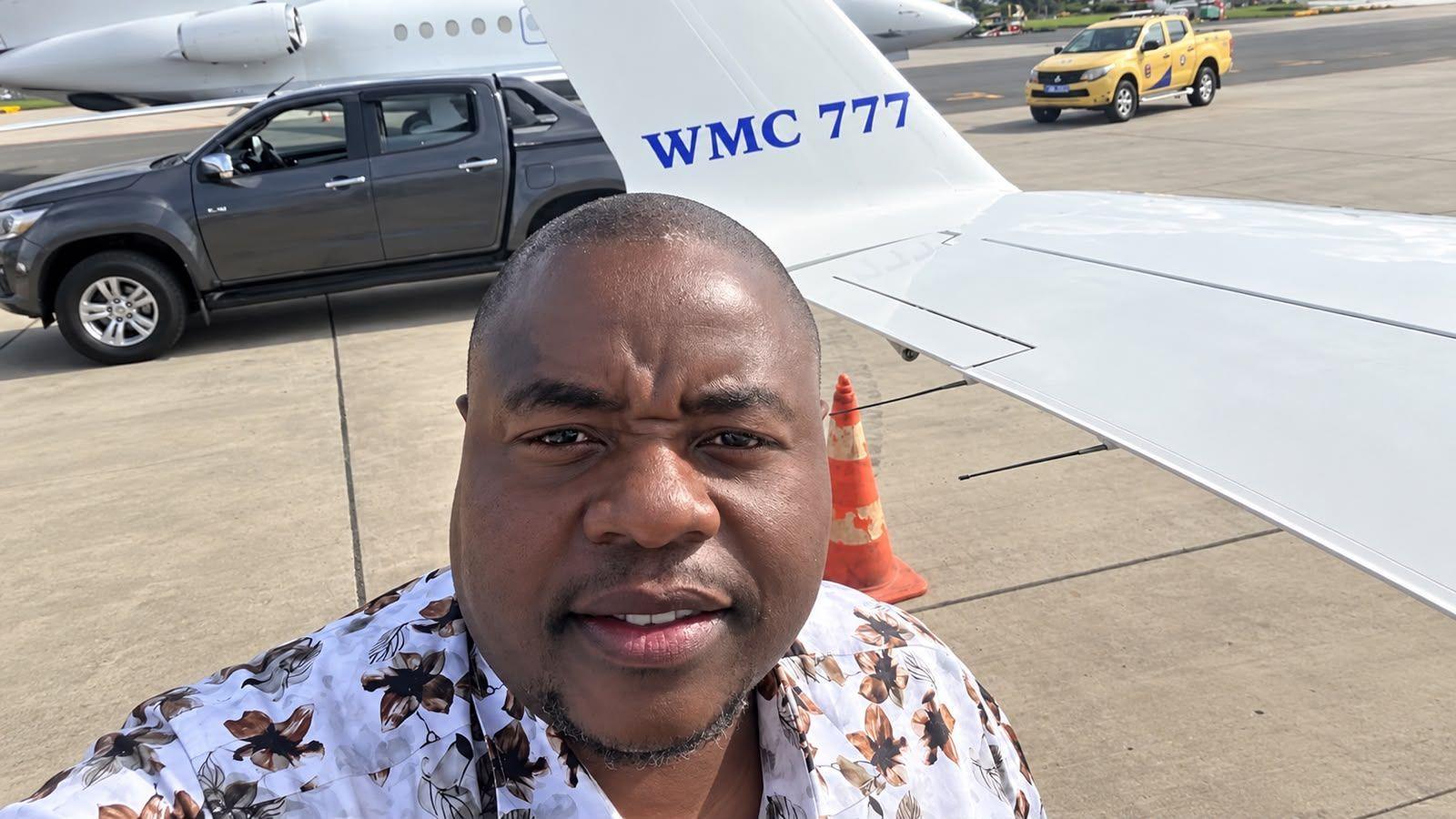
From that point the true character of his rise unfolded on Instagram and Facebook. He regularly posted images of himself beside a fleet of Rolls‑Royces and other luxury cars, lavish watches, designer shoes and piles of cash. The images were never shy in showing his proximity to Zimbabwe’s ruling party, Zanu‑PF, and leaders across Africa – from President Mnangagwa to the king of Eswatini, to Nigeria’s satire, to Kenya’s William Ruto.
Legions of supporters held Chivayo up as a paradoxically generous magnate, arguing his $400,000 stipend to musician Jah Prayzah and four luxury cars to Bishop Nehemiah Mutendi were acts of charity that bolstered essential services. In contrast, critics described the same gifts as “buy‑support” for Zanu‑PF, pointing to the stark disparity between a man who owned more cars than a small army and a country where half the population lived under the international poverty line.
His philanthropic side was not limited to the elite. He allocated 20 ambulances to an overcrowded public health system, donated buses to state schools and pledges of five hundred thousand dollars to upgrade primary and secondary education in his home region of Gandami. Yet not all were willing to accept his largesse – from veteran musician Thomas Mapfumo to evangelical leaders – and some labelled the money as “dirty”. The outcome of many of these interventions remains unclear, raising questions about the accountability of a tycoon who never filed his own taxes with the national revenue authority.
The year that ended with his death also saw political turbulence. A government inquiry condemned Intratrek as a “briefcase company”, while the state‑owned utility contested supply contracts that had already been signed. Accusations surfaced that Chivayo had lobby‑ed through bribes, offering MPs ten thousand dollars in 2023 in hopes of clearing a constitutional amendment that would let President Mnangagwa stay in power until 2030. Those allegations were later dismissed by Zimbabwe’s anti‑corruption commission, yet the damage to his reputation had already begun.
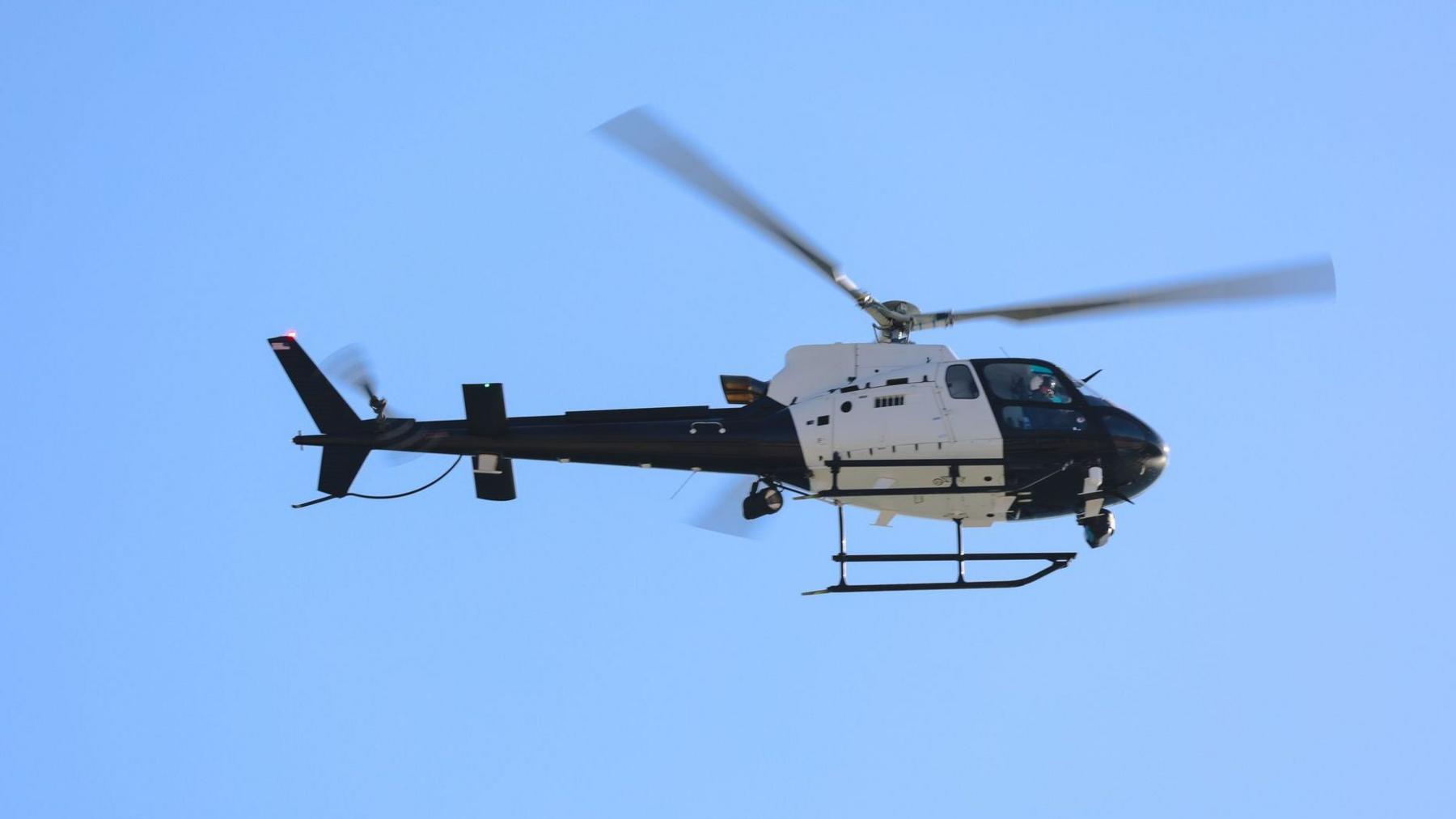
The helicopter crash that stripped him away from the world also coincided with the broader cultural debate in Zimbabwe streaming across social media: should the state celebrate a man who used national wealth to buy political favour? Critics argued that his grand scale gifts whispered. Followers found his death a curious relief, a moment when a widely controversial figure may have finally gone quiet.
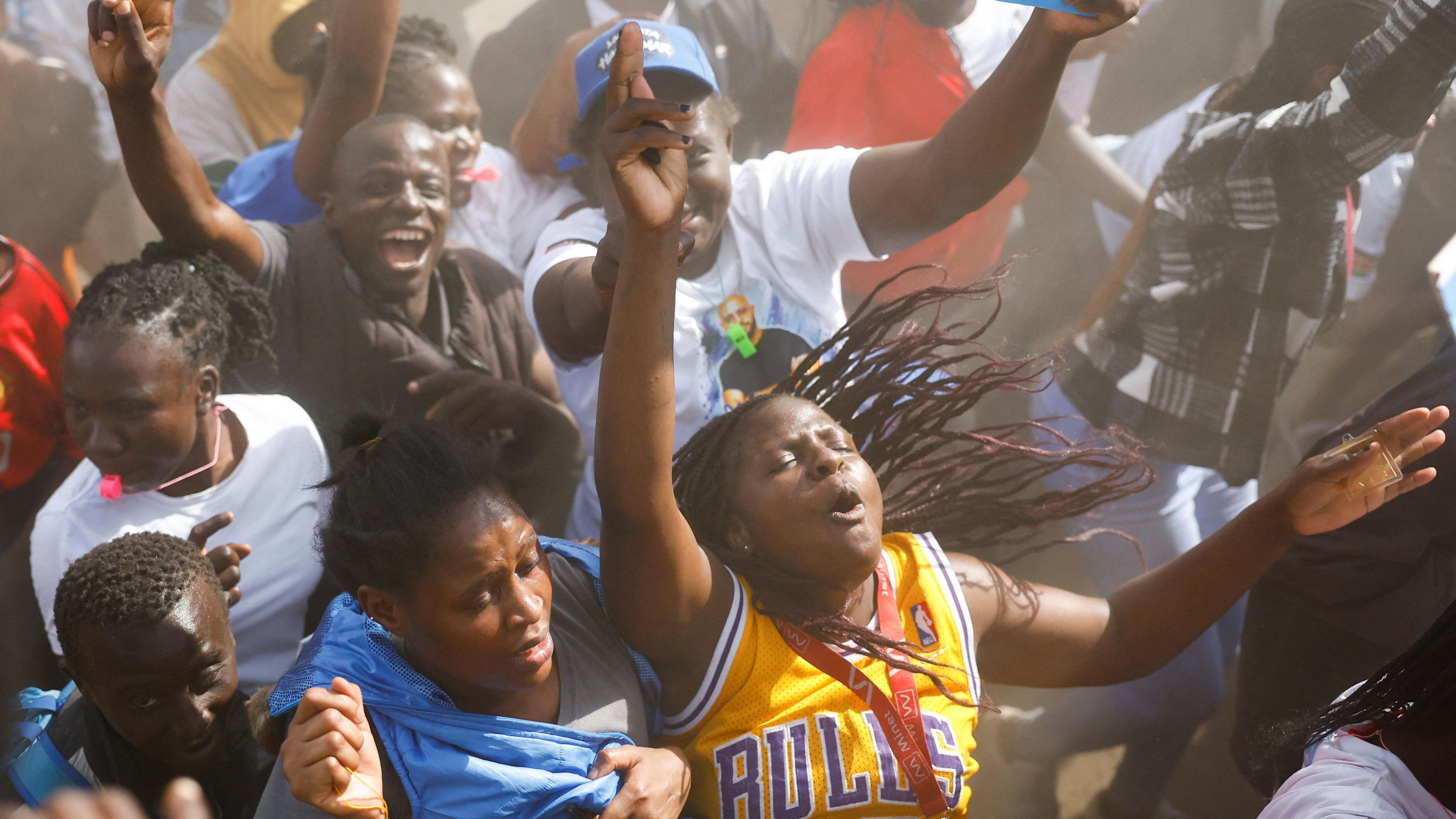
His funeral on Thursday has been attended by ministers, church leaders, celebrities and a swathe of thousands of on‑lookers, many of whom still stand with a mixture of gratitude and resentment. While the nation mourns a man coming to a tragic end, the questions over how his wealth was acquired and its impact on Zimbabwe’s politics will keep echoing for years to come.