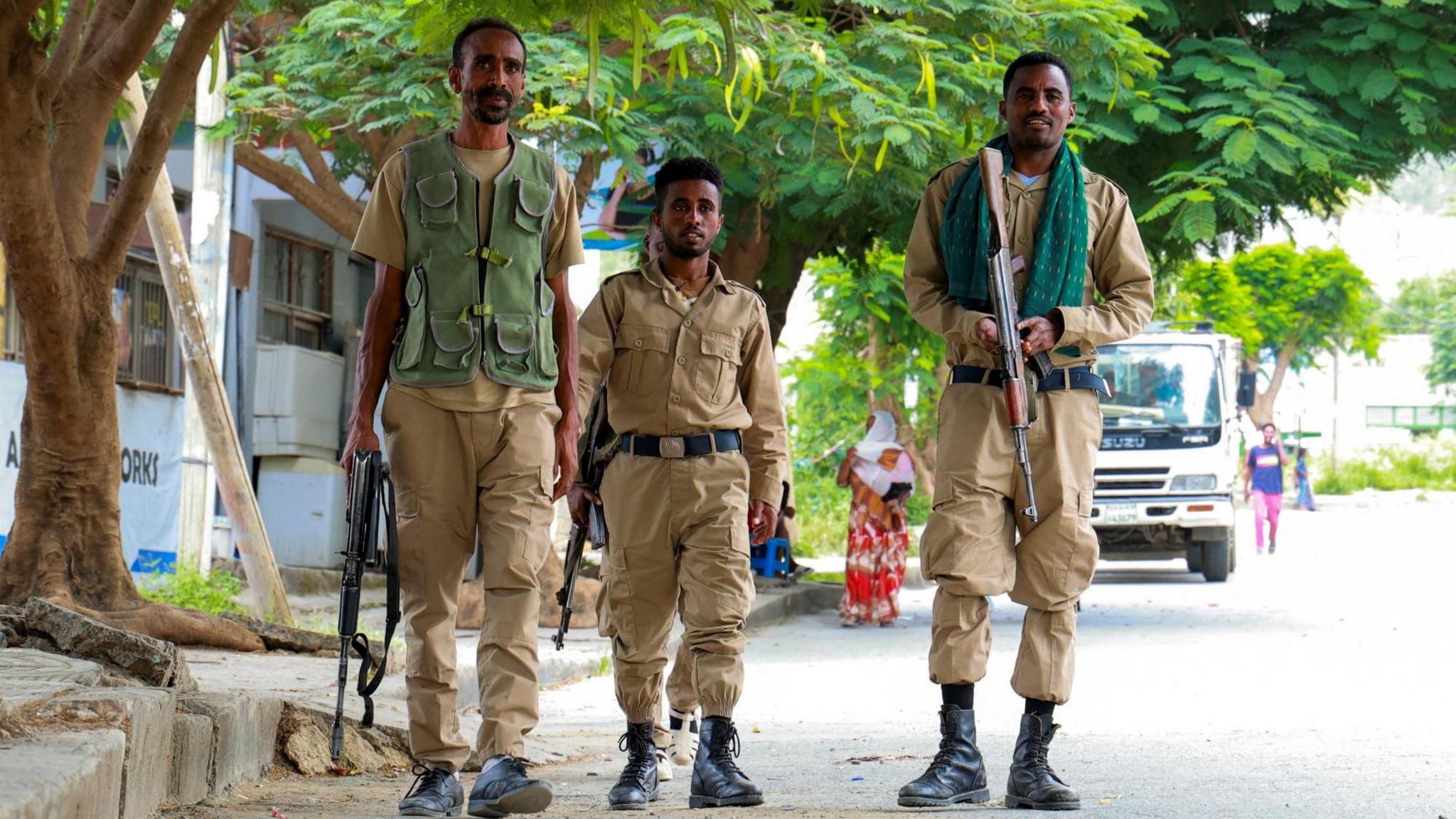
When a gray drone appeared overhead, the soldier beside me whispered, “This is the first drone, and it’s always followed by a strike.” The promise of sound turned true a few minutes later when hard‑thudding blows erupted from the mountains, a barrage of unexplained impacts that landed somewhere on a slope whose ownership was as blurry as the clouds.
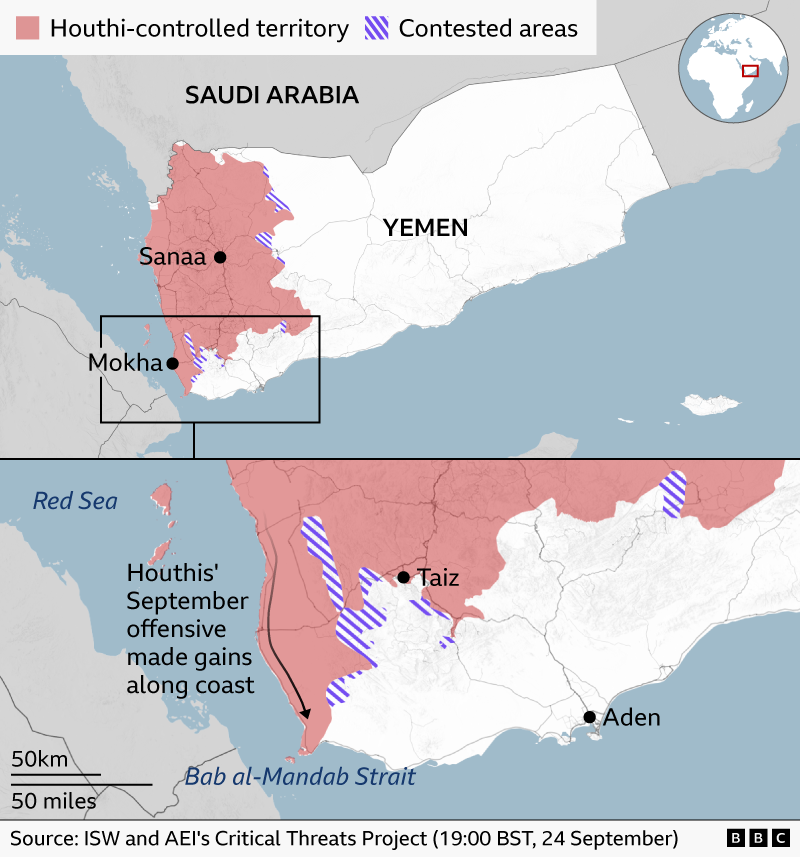
Taiz sits at a crossroads between Houthi‑controlled north and government‑held south, and the city’s hills now echo with metal and gunfire. Saudi‑backed forces are trying to push back the insurgents, who reached the coast of the Red Sea only a month ago, capturing the vital chokepoint of Mokha and threatening the Bab al‑Mandab strait that ships use to travel between Europe and Asia.
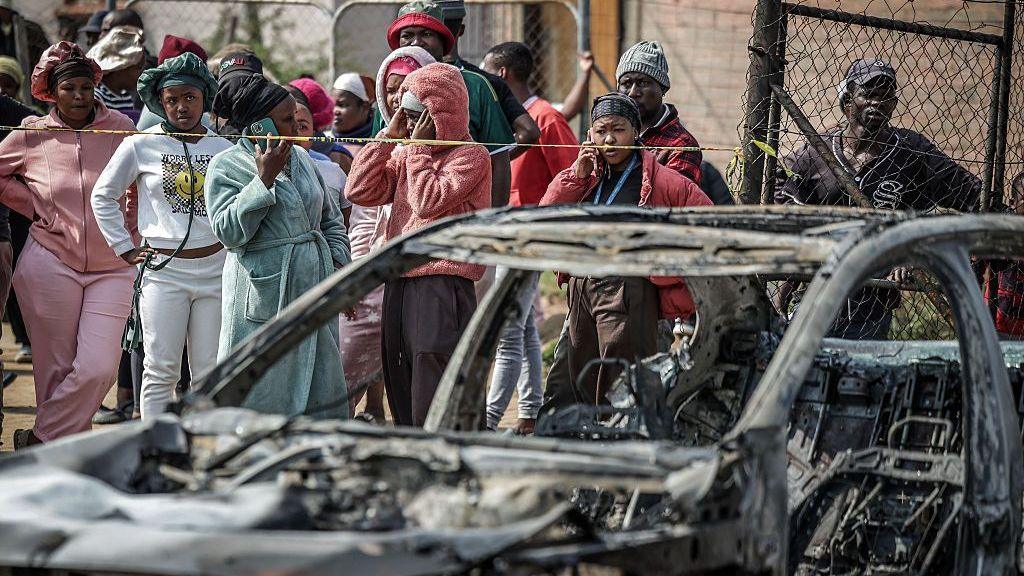
In the aftermath of a drone, civilians found themselves staring from the backs of bushes onto a battlefield. Families have fled their homes in the name of safety, leaving the slopes of Taiz littered with abandoned houses and the faint bleat of goats echoing instead of traffic. On the outskirts, a man named Ali sits with his herd, two mortar shells having landed on his property just a kilometre from the front line.
Ali’s daughter sent her family on a displacement camp when the shell fired, but he chose to stay, caring for his goats and pleading that without food they would starve. The UN reports that over 130,000 people have fled across Yemen this month alone, on top of 5.2 million already displaced by the war.
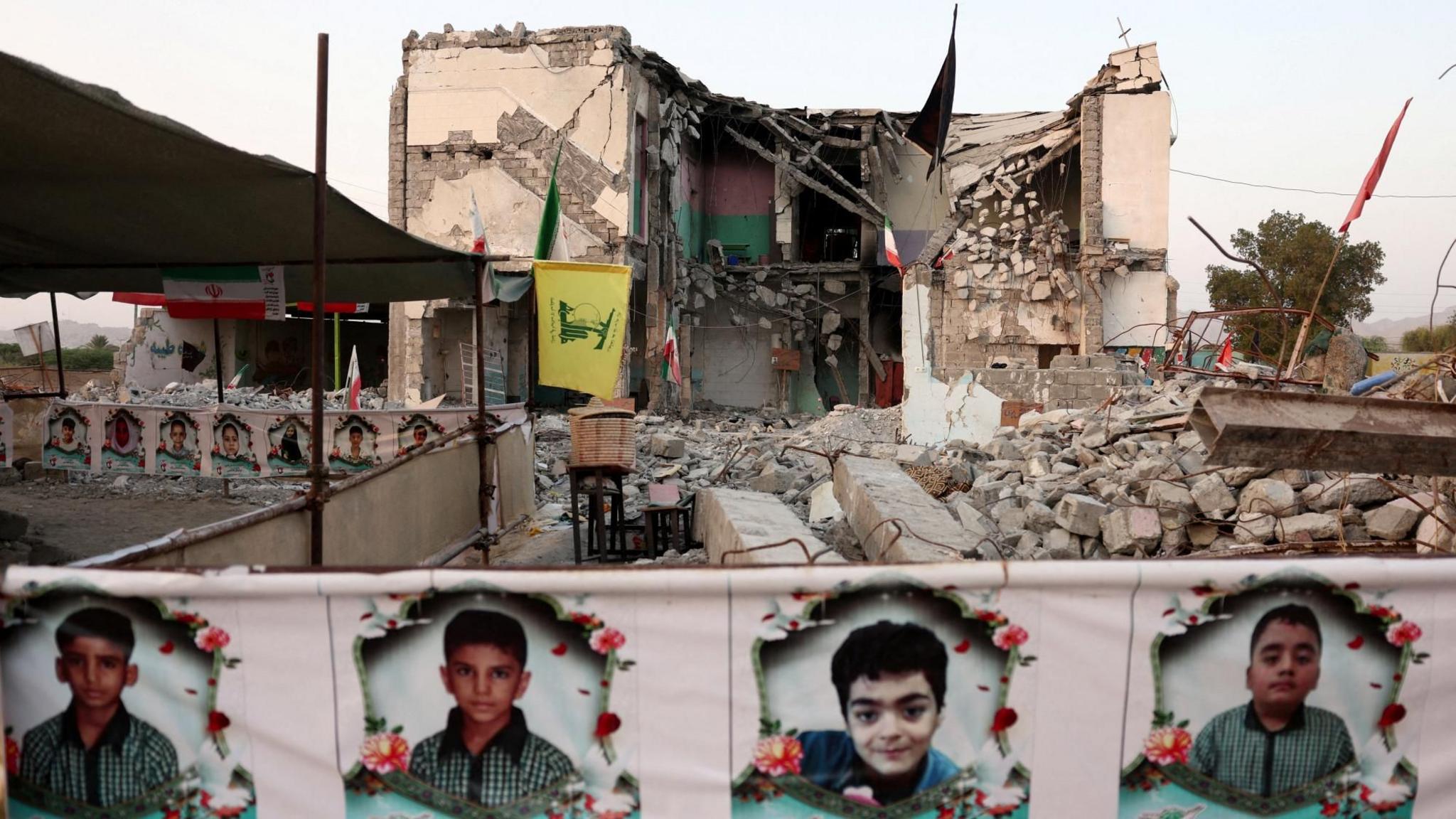
Not far from the front, the al‑Thawra hospital’s intensive care unit is packed with bodies—combatants and civilians alike. Twelve‑year‑old Ghana Nabeel lies in a white bed, her head swelled from shrapnel, her family holding tight to the prospect that she may never fully recover.
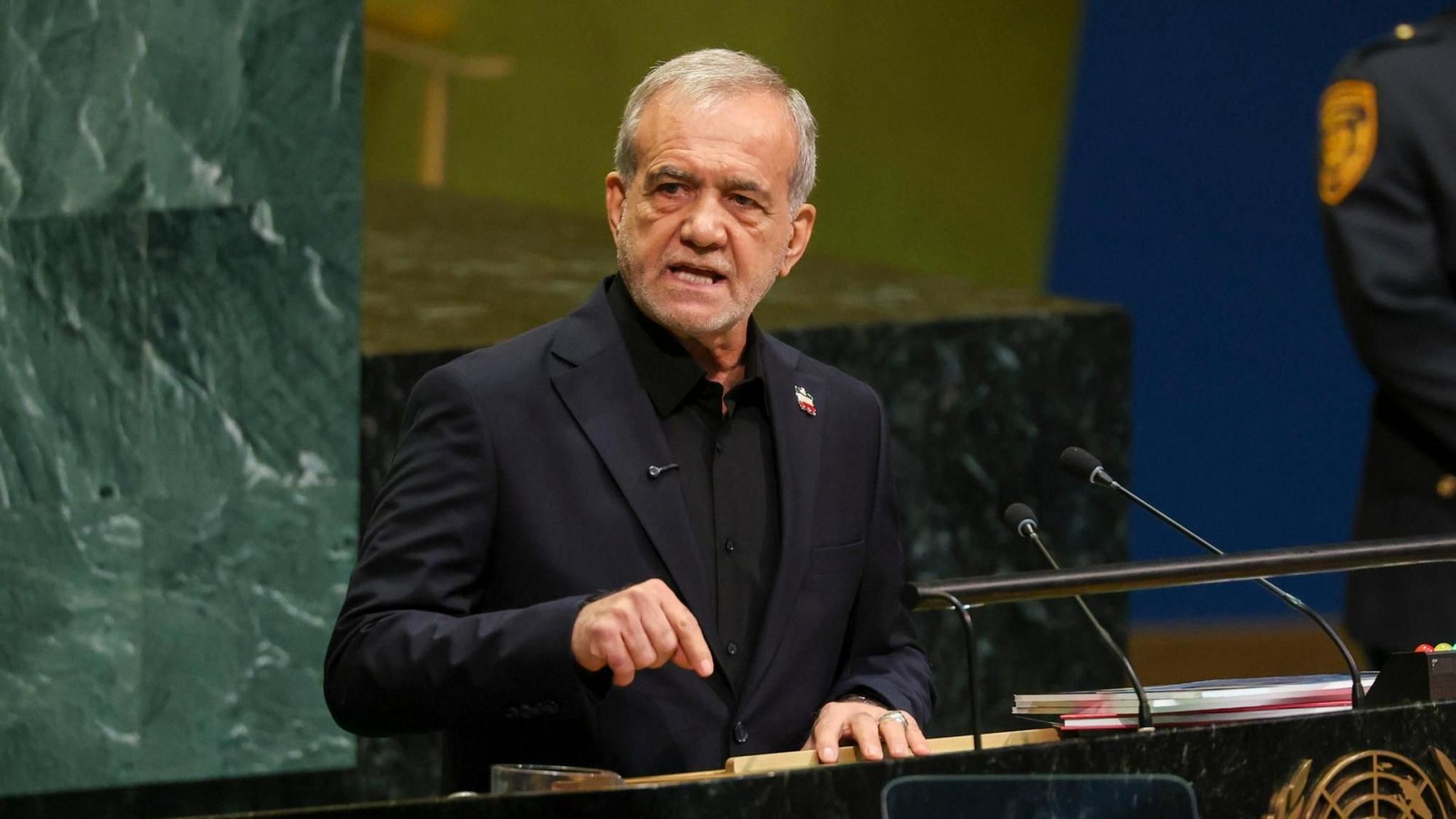
Media reports say the Houthis are applying Iranian weapons, funding, and tactical guidance—though Iran officially denies supplying arms, calling its support purely political. At the same time, Saudi‑led coalition air raids on Houthi positions throttle the insurgents’ advance, while drone and missile assaults from the rebels pound Saudi towns on the Gulf of Aden.
The city’s lower streets, illuminated at night, show a routine of commerce interlaced with gunshots and explosions. Stops of ambulances, the hum of streetcars, or a sudden thud from a mortar write new realities into the urban landscape. The mountain‑top checkpoints witness soldiers retrieving the bodies of 18 fallen comrades, yet their rifles can only drop shells over them, never reclaim them.
In the al‑Monig displacement camp, 200 families arrived in ten days, all desperate to escape the artillery wind from Mokha. Maryam Saleh, unnamed for safety, walked barefoot with a basket of work tools, weaving hats to pay for food as the sound of shells lingered nearby. Her nephew’s death by mortar shrapnel was the last of her family’s pre‑war life, and the past tense “we thought we were finished” now describes a daily reality for many.
Fatma Mohammed Saleh, crippled by a wounded leg and unable to walk, told the reporter she had spent two days crawling through gunfire, driven by prayer and hope to reach a tent. Her patients lie in unbroken rows at the hospital’s intensive care unit. Officials warn that another 100,000 might be forced from their homes within the next quarter, a figure still far from the millions now displaced.
Through that lens the story becomes one of fragile moments: a goat grazing at dawn, a soldier on a hill, a child’s head bandaged, and an entire city stratifying between hope and horror. It is a snapshot of a broader conflict where humanitarian aid and state politics collide in the shadows of Houthi resilience and a Saudi‑backed coalition’s relentless push for control.