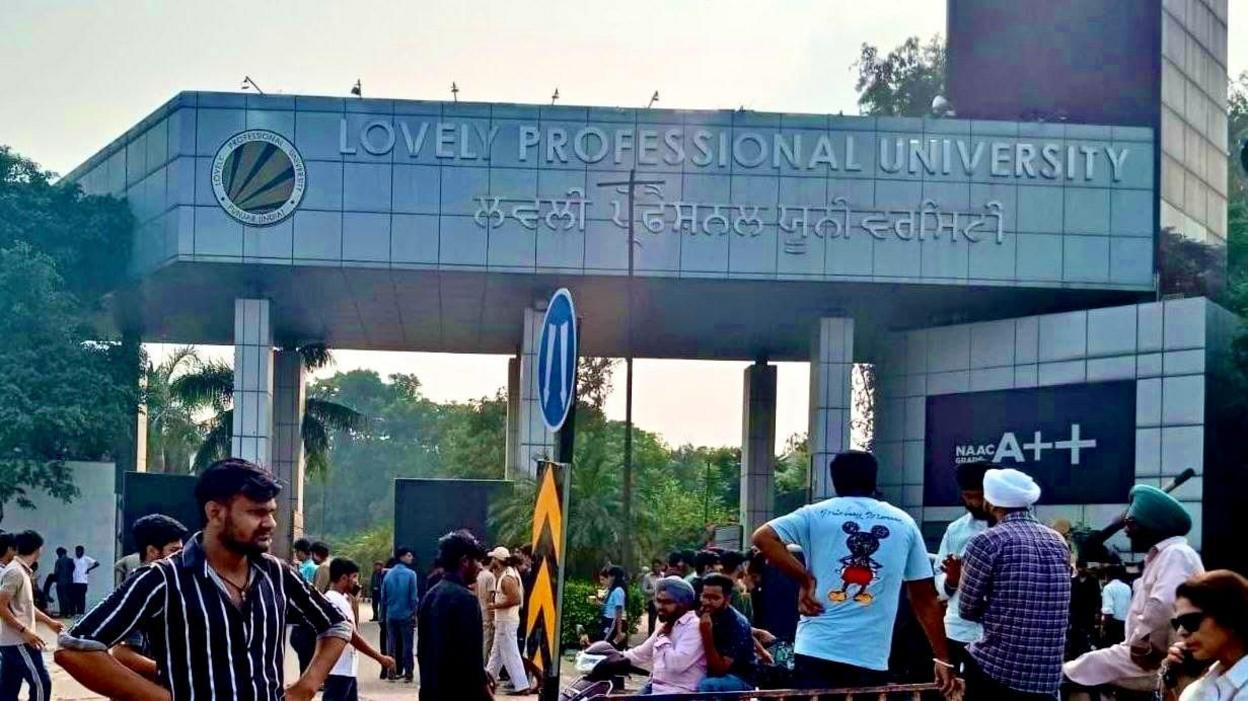

On the night of 27 September, students at Lovely Professional University (LPU), one of India’s largest private campuses, erupted into a violent protest after a rumor in WhatsApp groups claimed a female student had been raped in a hostel a few days earlier.
Police confirmed they had registered an FIR, but no victim had come forward and no CCTV footage could verify an assault. The allegation remains unverified, with investigators yet to identify a victim or perpetrator.
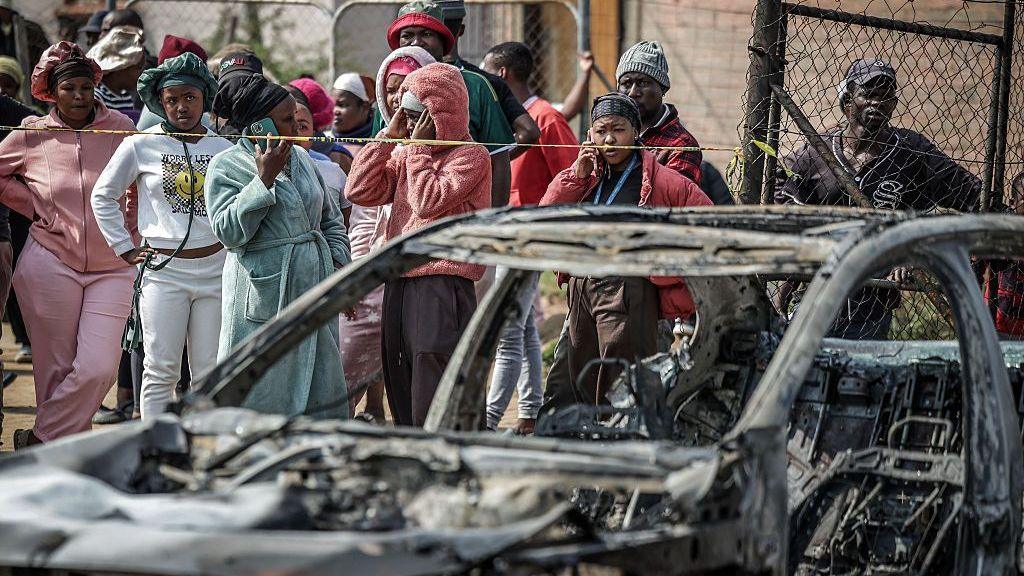
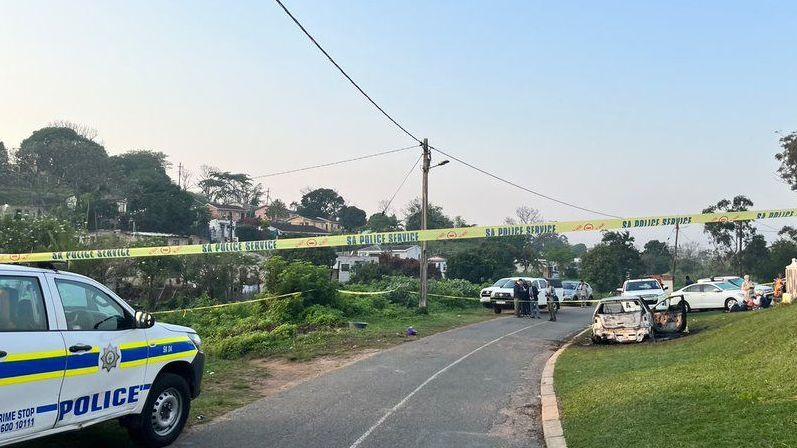
Despite the university’s denial of the rape claim, demonstrators blocked National Highway 44, vandalised campus property, torched police cars and pelted stones at officers. Police reported injuries and property damage, while the campus was later heavily policed.
Students reported staying inside hostel rooms, armed to feel safe, and expressing fear of what the night might bring. Many subsequently chose to return home, and the university postponed classes for ten days, advising students to leave campuses.
The Punjab State Women’s Commission has demanded the FIR details and information on student safety. LPU’s pro‑chancellor Rashmi Mittal criticised the campus’s failure to address rumours, adding that outsiders may have joined the unrest.
Investigators are now tasked with answering two questions: Is there any evidence supporting the alleged rape? And who orchestrated the ensuing violence?
The incident highlights deep concerns over campus security, early reporting mechanisms and the power of social media rumours in a large student ecosystem.
Legal accountability hinges on whether evidence surfaces during the investigation, while students now await clarifications on safety measures and the outcome of the police inquiry.