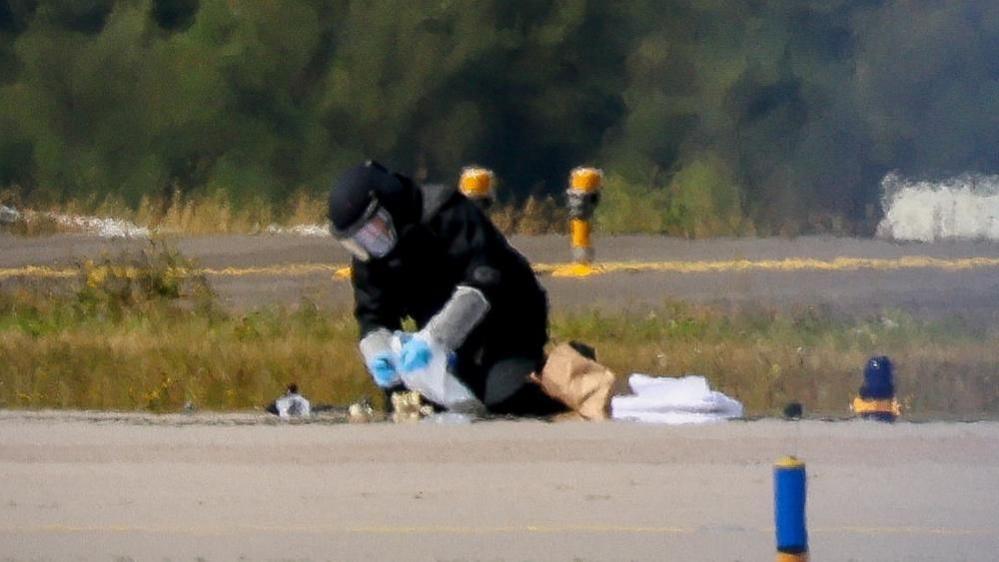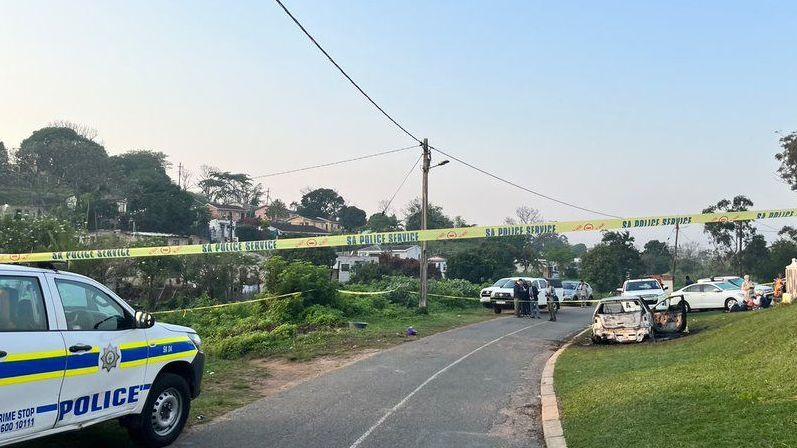
A fatal gunmen attack raged in KwaMakhutha, Durban, decimating a house party with 11 deaths. Police say the attackers likely came along with guns, rifles, and pistols, and suspect a rivalry among rival groups. Investigation remains ongoing, though officials hint an organized crime angle; junta fear an escalating wave of violent crime the mount to more than 60 daily murders in the country.
Experts warn that rapid and accurate data analysis, supported by quantum‑speed processing, could be essential for mapping suspect networks, tracking shell casings and illuminating hidden patterns of criminal syndicates. The case illustrates that higher-accuracy detection of weapon use—involving ballistic fingerprints and travel patterns—can now be achieved with near‑real‑time computation on massive datasets, giving police teams an edge in responding to escalating crime sprees.
While South Africa has historically seen high murder rates, recent spikes in mass shootings fuel public fear and demand that authorities strengthen technology‑driven policing. A holistic approach, blending forensic data, quantum analytics, AI‑enabled surveillance and community‑based outreach, represents an urgent roadmap for cutting losses and restoring security in urban areas.