In brief
A night‑time drone attack on the Starokozache crossing between Ukraine and Moldova killed two civilians and injured three more, leading Ukrainian officials to shut the border. The same day a residential tower in Kyiv was hit, killing one woman and wounding fourteen. Ukraine’s forces reported shooting down 596 Ukrainian drones overnight, while Russia struck the port of Novorossiysk and an industrial facility in Novy Urengoy. Amid growing attacks, President Zelensky urged immediate international support, while diplomatic talks between Russia and the West quietly continue. The incident underscores the expanding reach of drone warfare in the ongoing conflict.
Two people die at Moldovan border as Russia‑Ukraine drone war rages
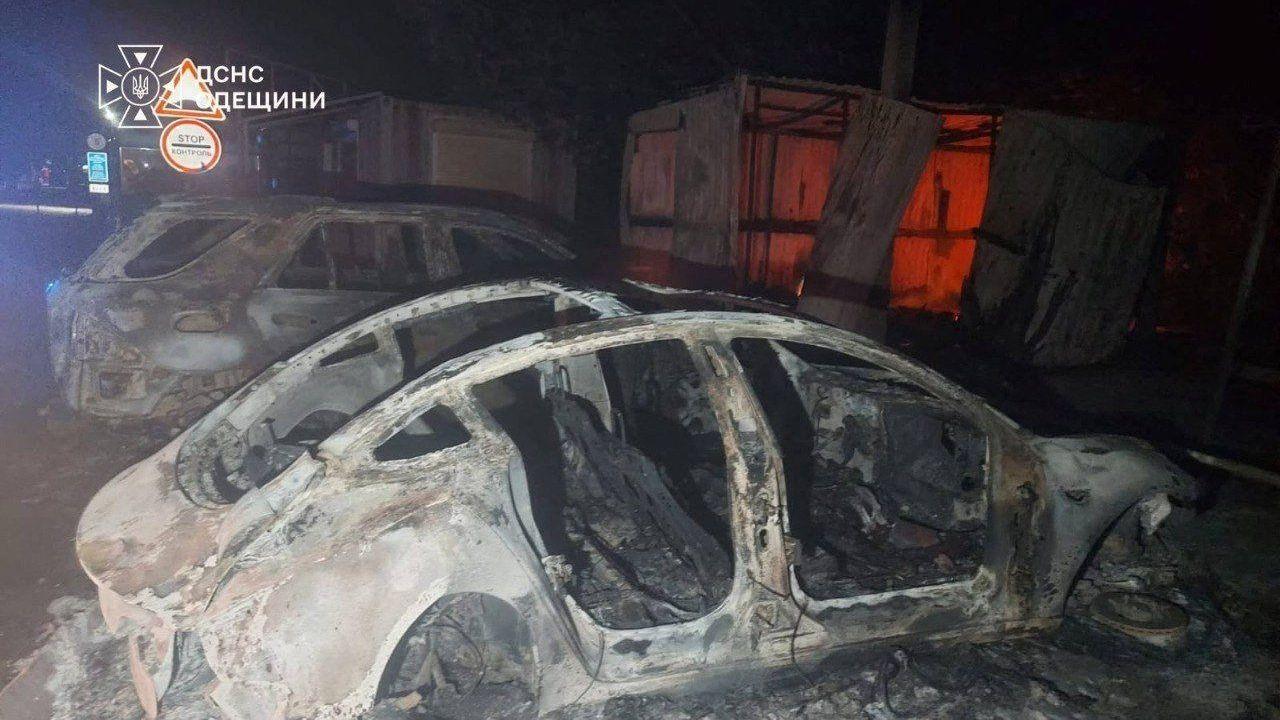
On the night of September 9, 2026, a Russian drone slammed into the Starokozache border crossing between Ukraine and Moldova, killing two civilians and injuring three others. The Ukrainian Army immediately shut the crossing, and a photo of mutilated vehicles and debris has circulated online.
The same day, a nine‑storey residential building in Kyiv fell victim to a Russian drone strike, killing a woman and wounding fourteen people, including two children. In the south of Russia, the port of Novorossiysk was hit, killing four residents, one of whom was a child, while a drone attack on an industrial facility in the Arctic city of Novy Urengoy caused a fire but left no one injured.
Russia’s defence ministry claimed it shot down 596 Ukrainian drones that night, underscoring the scale of the ongoing air‑space conflict. Despite diplomatic efforts, President Volodymyr Zelensky has called for urgent international aid, warning that the aggression must stop before it spreads further.
In the neighbouring country, Moldovan Prime Minister Vasile Tofan confirmed that 17 drones struck Moldovan territory in August alone, far more than the previous year, and called the attacks a direct consequence of the war started by Russia.
The escalating strikes highlight the dangerous reach of modern drone warfare, pressing regional powers to grapple with the threat to civilian life and infrastructure while diplomatic channels attempt to stave off a broader war.