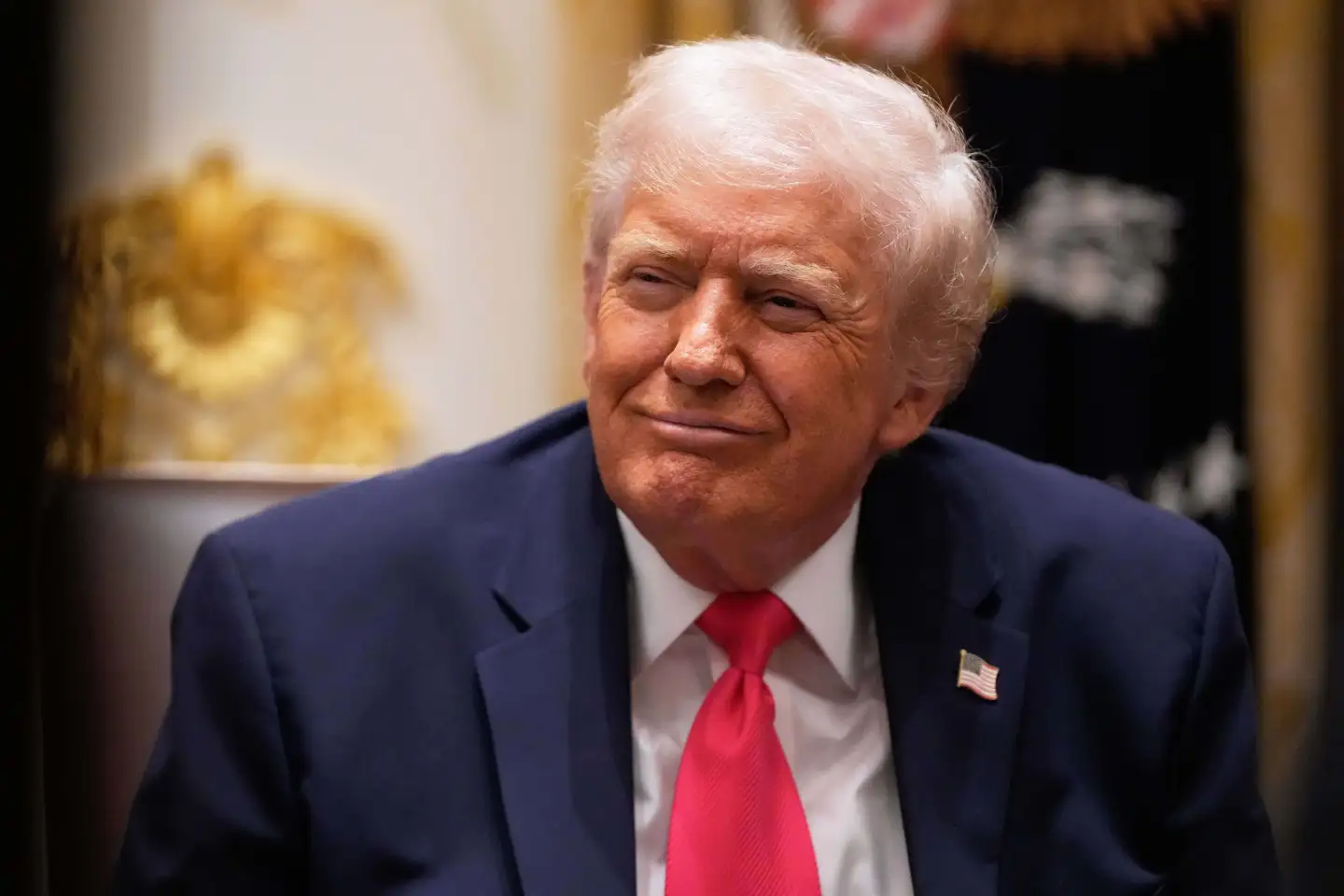
ALBANY, N.Y. — Donald Trump's recent attempts to establish a cadre of loyalist U.S. attorneys face mounting legal challenges, with courts declaring these political appointees unlawful. This follows a pattern of federal judges ruling against his administration's nomenclature, particularly in New Jersey, Virginia, Nevada, and Los Angeles.
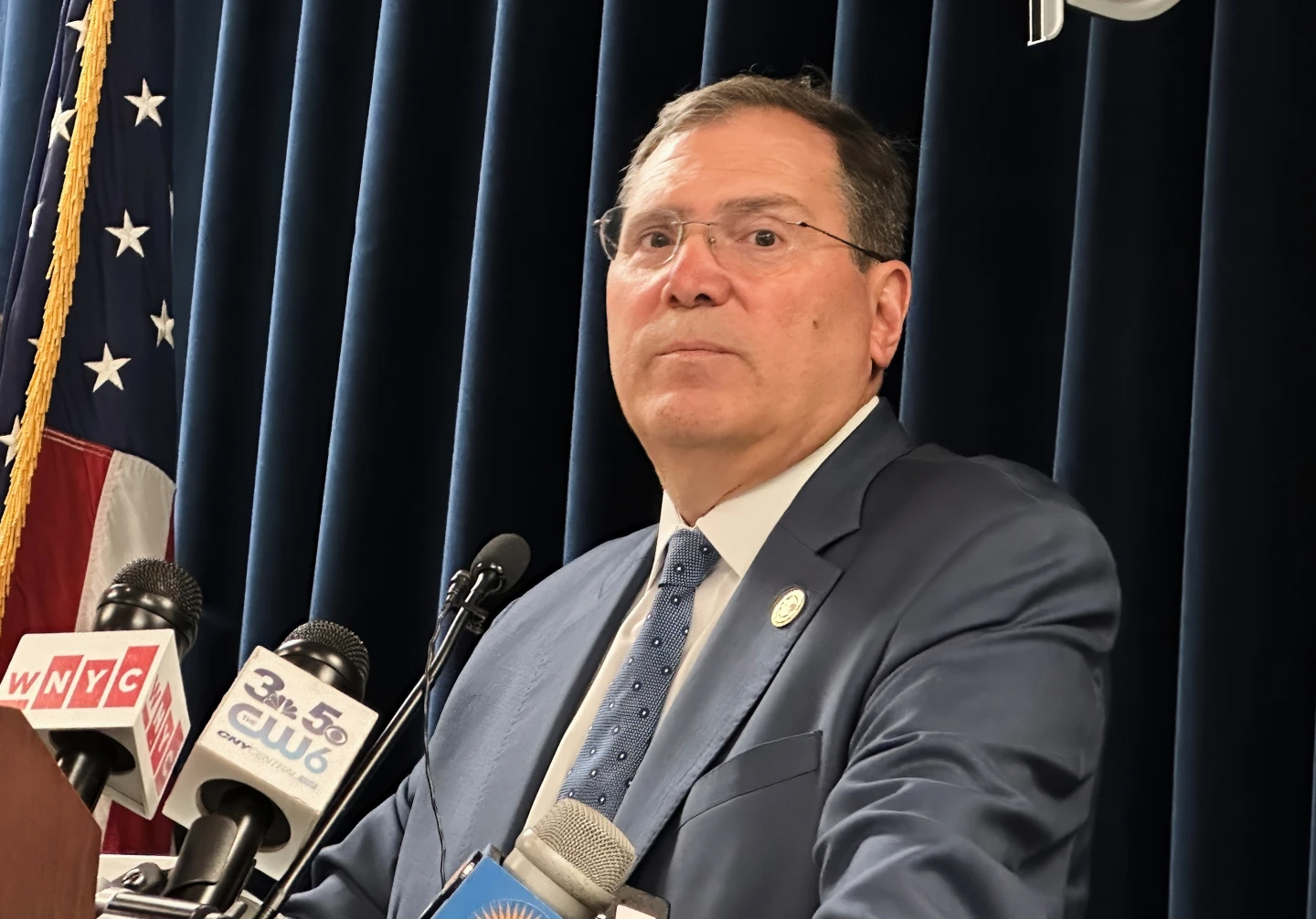
On Thursday, a federal judge heard arguments from New York Attorney General Letitia James, questioning the legality of John Sarcone's appointment as the acting U.S. attorney for northern New York. James contends that the administration circumvented legal protocols to assign Sarcone, who is now under scrutiny for overseeing investigations into Trump and the National Rifle Association.
In the courtroom, attorney Hailyn Chen asserted that Sarcone did not possess legitimate authority in his role, rendering his actions—including issuing subpoenas—unlawful. In her remarks, she maintained that Sarcone should be disqualified from both the investigation and the office entirely.
Countering this claim, Assistant U.S. Attorney Richard Belliss argued that Sarcone's appointment was legitimate, calling Chen's motion to block subpoenas a drastic measure.
Judges have recently criticized Trump’s unorthodox methods of appointing U.S. attorneys as increasingly unconstitutional. For instance, Trump failed to nominate a legitimate candidate for Sarcone's position before his interim appointment expired. Instead, Sarcone's designation as acting U.S. attorney was conducted in a way viewed as stretching federal regulations.
The legal discourse brings attention to the administration's attempts to bypass Senate confirmations with unconventional methods of appointment. Similar scenarios play out in Nevada and Los Angeles, where federal judges have also invalidated Trump administration appointees.