In brief
The US Supreme Court has agreed to hear a pivotal case regarding the constitutional right of birthright citizenship, which guarantees citizenship to individuals born in the United States. This challenge stems from an executive order signed by former President Donald Trump aimed at ending this right for children of undocumented migrants and those on temporary visas. The court's ruling could significantly affect the citizenship status of many children.
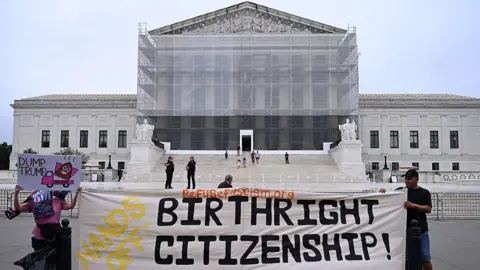
The US Supreme Court has agreed to hear a case on whether the century-old constitutional right of guaranteed citizenship for those born in the US will remain.
On his first day in office in January, President Donald Trump signed an order to end birthright citizenship, but the move was blocked by lower courts after it was challenged over its constitutionality.
The Supreme Court's eventual ruling will either back citizenship rights for the children of migrants who are in the US illegally or on temporary visas, or end it. Next, the justices will schedule a date to hear oral arguments between the government and plaintiffs which include immigrant parents and their infants.
For nearly 160 years, the 14th Amendment of the US Constitution has established the principle that anyone born in the country is a US citizen, with exceptions for children born to diplomats and foreign military forces.
The language of the amendment states: All persons born or naturalized in the United States, and subject to the jurisdiction thereof, are citizens of the United States.
Trump's executive order sought to deny citizenship to the children of people who are either in the US illegally or are in the country on temporary visas.
The US is one of about 30 countries - mostly in the Americas - that grant automatic citizenship to anyone born within their borders.