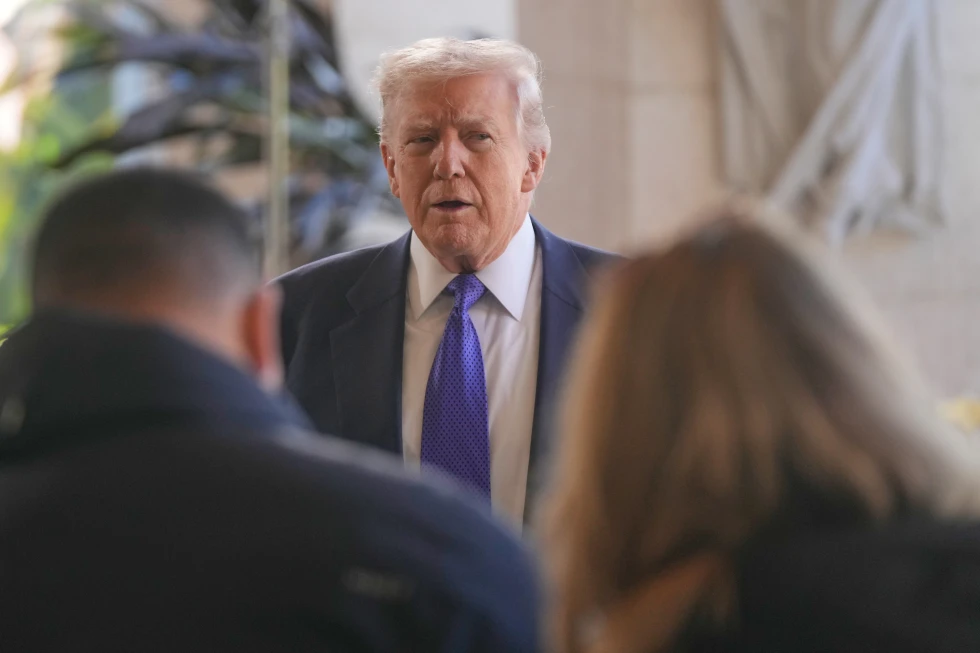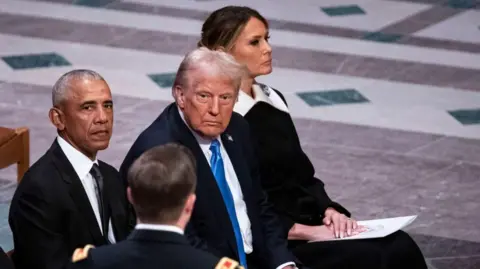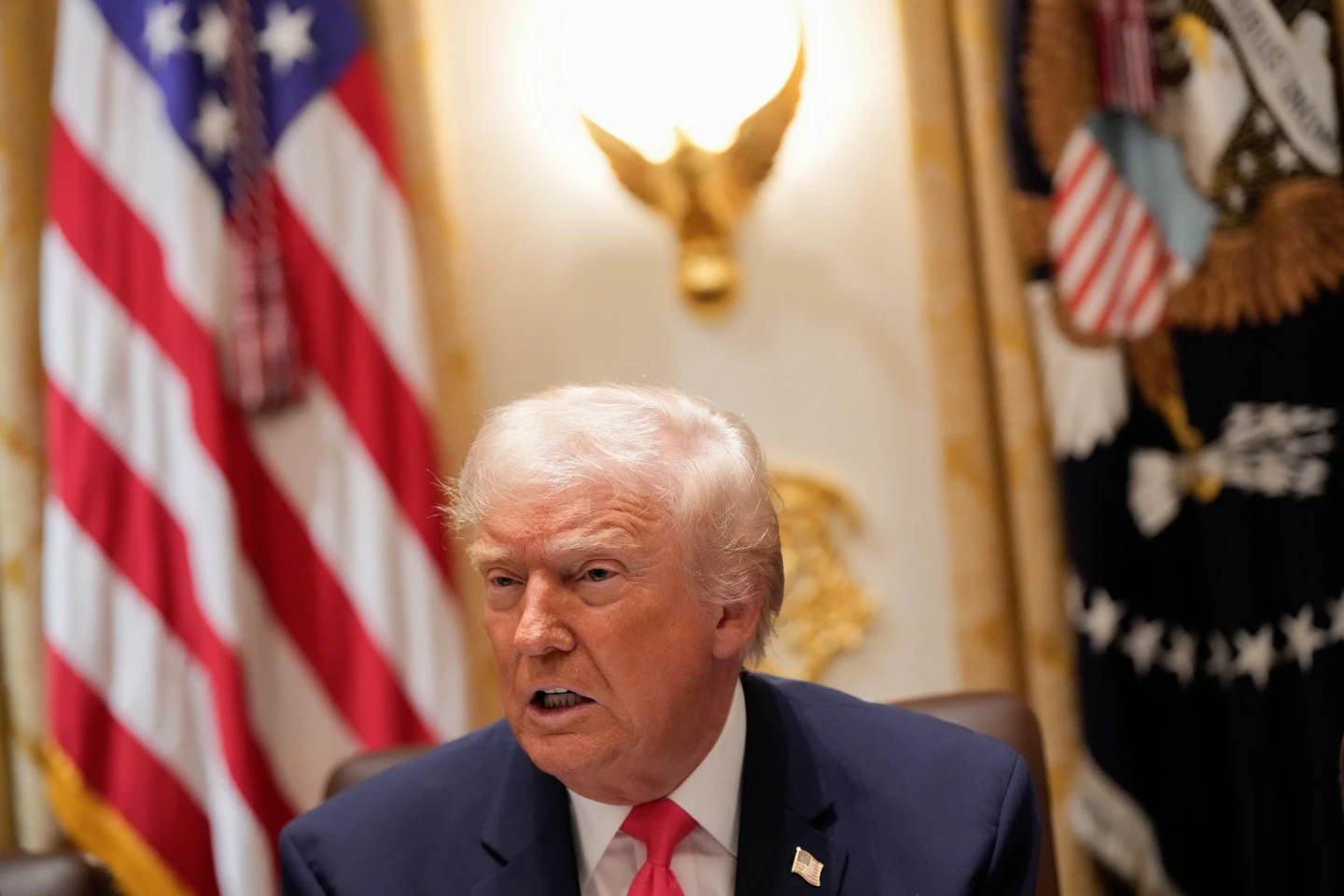
In a startling display of rhetoric, President Donald Trump recently characterized Somali immigrants in the United States as garbage during a cabinet meeting, further intensifying his longstanding pattern of disparaging remarks towards immigrants. This latest comment not only feeds into his history of controversial statements regarding immigration but also raises significant questions about American values and the nation's immigrant identity.
The president's repetitive declarations that America should send Somalis back to their homeland mark a radical escalation from his previous comments, positioning him at odds with the foundational ideals upon which the nation was built. Experts point out that Trump's language has amplified societal divisions regarding immigration and nationality, effectively redefining the boundaries of acceptable political discourse.
Analysts have noted that Trump's presidency has brought forth a new era of inflammatory political language, previously relegated to fringe groups. As he continues his campaign to limit immigration, including attempts to curtail birthright citizenship, the implications of such rhetoric reverberate beyond American borders, influencing attitudes toward immigrants globally.
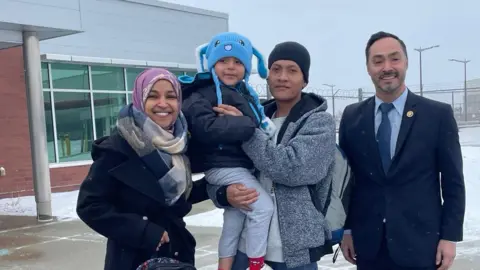
In the wake of his recent statements, outrage erupted from U.S. citizens and Somalis alike, prompting discussions about the normalization of hate speech in politics. Somali American leaders, including Representative Ilhan Omar, have publicly condemned Trump's comments as not only harmful but also reflective of a broader strategy to scapegoat vulnerable communities.
It is essential to recognize that Trump's rhetoric can alter public perceptions of immigrants and lead to real-world consequences, including the undermining of immigrant rights globally. As leaders around the world react to Trump's words, the potential for emboldened hate speech highlights the necessity for vigilance against xenophobia in all forms.