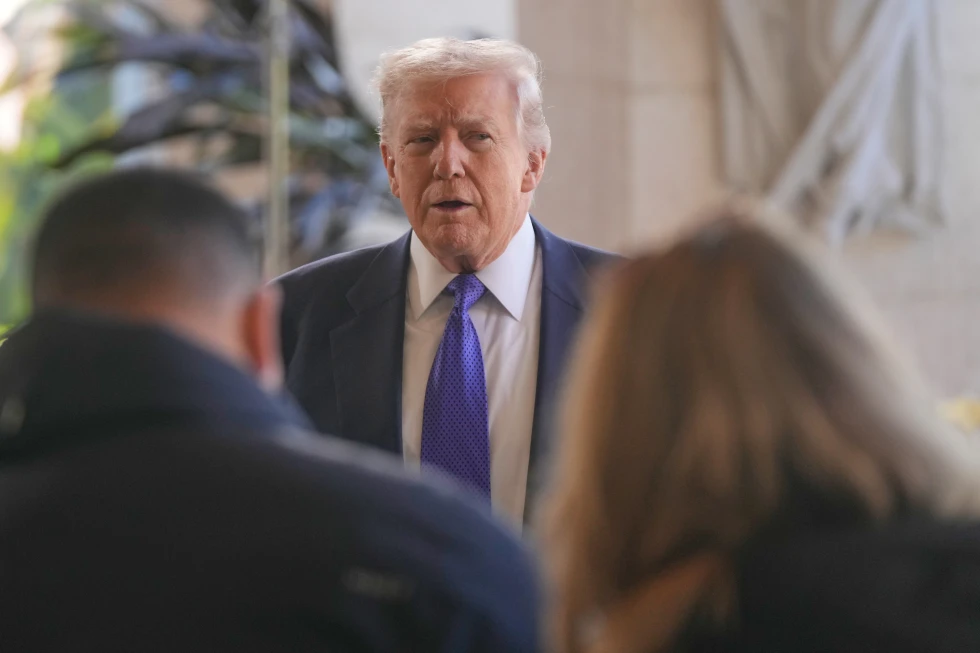
Somali-Americans in Minnesota have expressed their heightened fear after US President Donald Trump intensified his criticism of the community this week. Community leaders conveyed that the apprehension is palpable following Trump's derogatory remarks, where he stated he did not want Somalis in the US and described them as garbage.
Aj Awed, executive director of the Cedar-Riverside Community Council, which represents a town affectionately called Little Mogadishu for its significant Somali population, remarked, When you're being targeted by the president of the United States, it's not really a good feeling. Furthermore, anxiety has escalated as reports indicate that officials have commenced an operation in Minnesota focusing on undocumented immigrants.
Awed indicated that the council is reconsidering plans for an upcoming annual event due to these developments. The people getting caught in this are often those who don’t speak English well but have been citizens for decades. Just because you have an accent does not make you less American, he asserted. Trump's recent comments, made during a White House event, have been labeled as dangerous by Awed, highlighting that it is unbecoming for a president to target fellow Americans.
These remarks were made in response to questions regarding Minnesota Governor Tim Walz amid allegations of fraud within the state's social assistance program. On the ground, the fears have led to a palpable atmosphere of caution, with local communities readying themselves for potential immigration enforcement actions.
Jamal Osman, a member of the Minneapolis City Council who immigrated to the US as a teen, stated, Anyone who looks like me [is] scared right now. In response to the fraud allegations mentioned by Trump, Osman underscored that while wrongdoing occurs, an entire community should not be vilified for the actions of a few individuals.
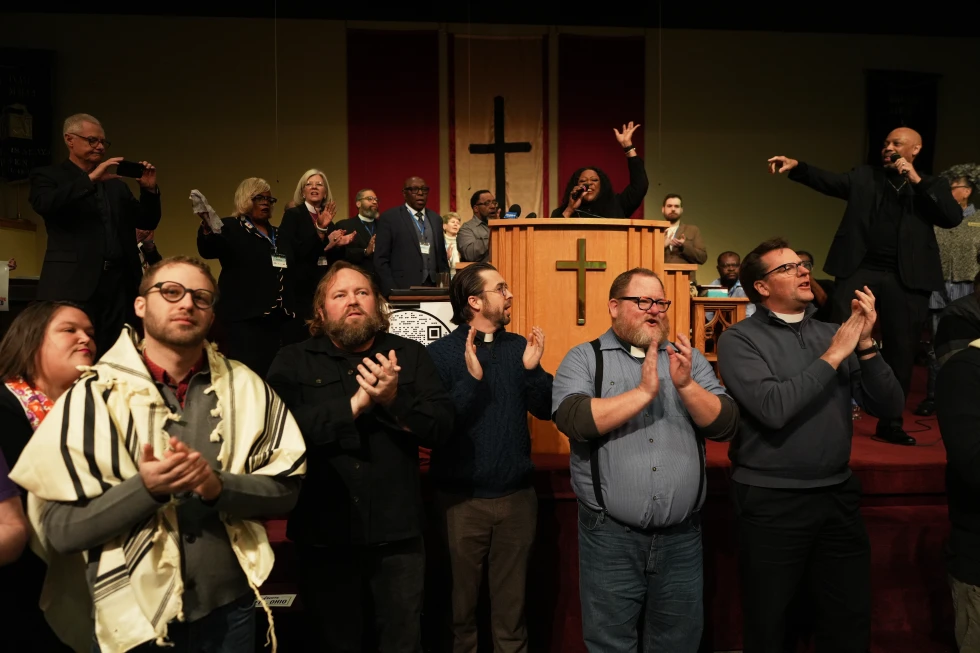
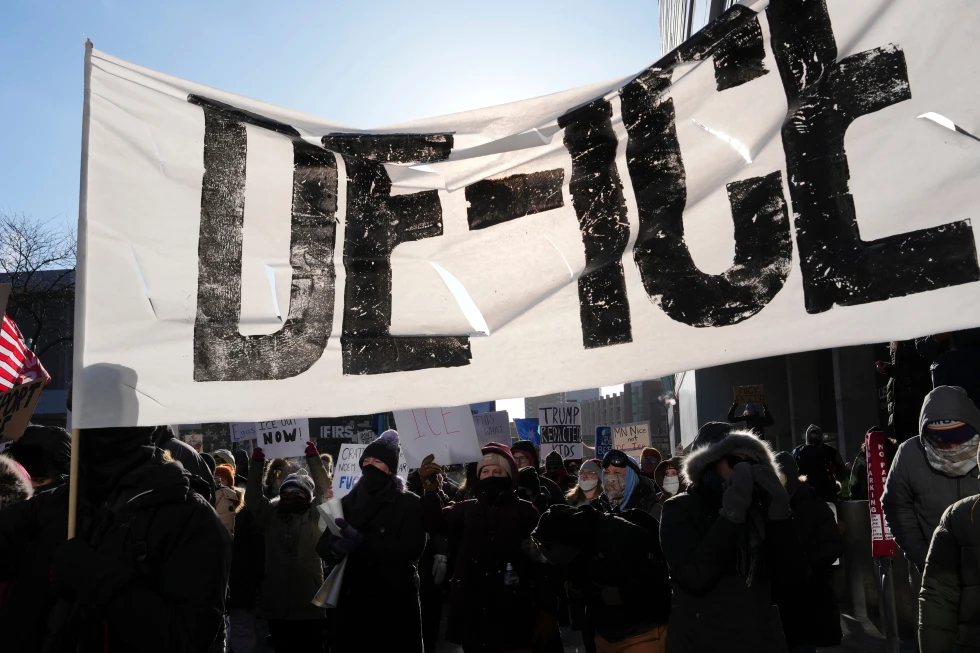
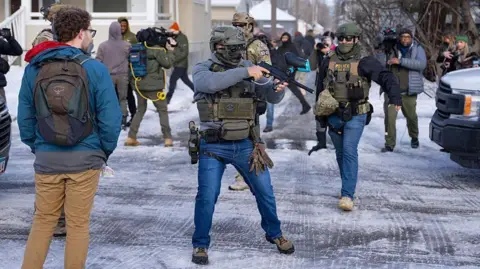
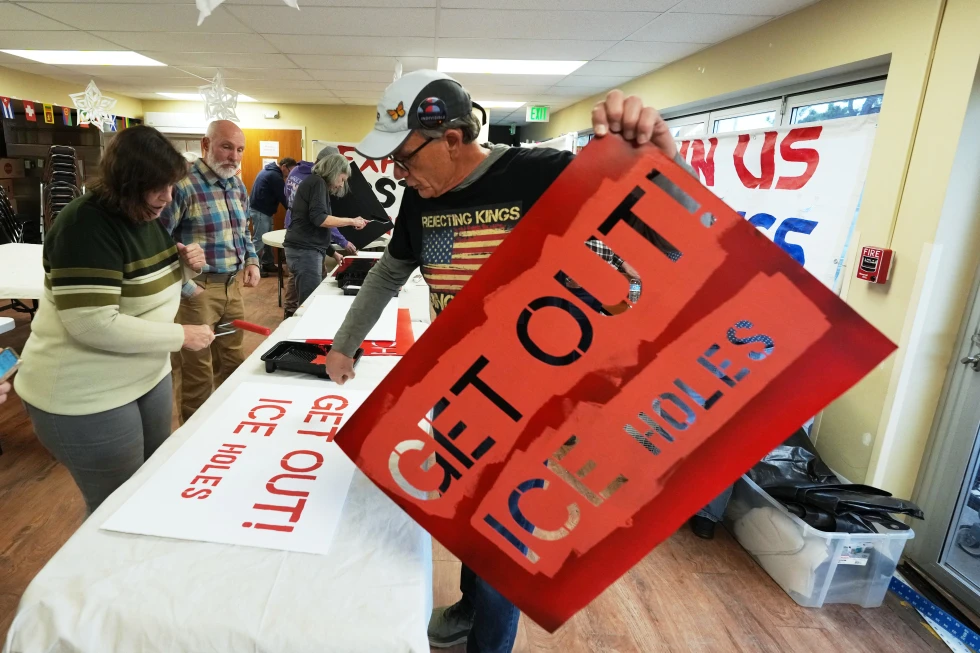
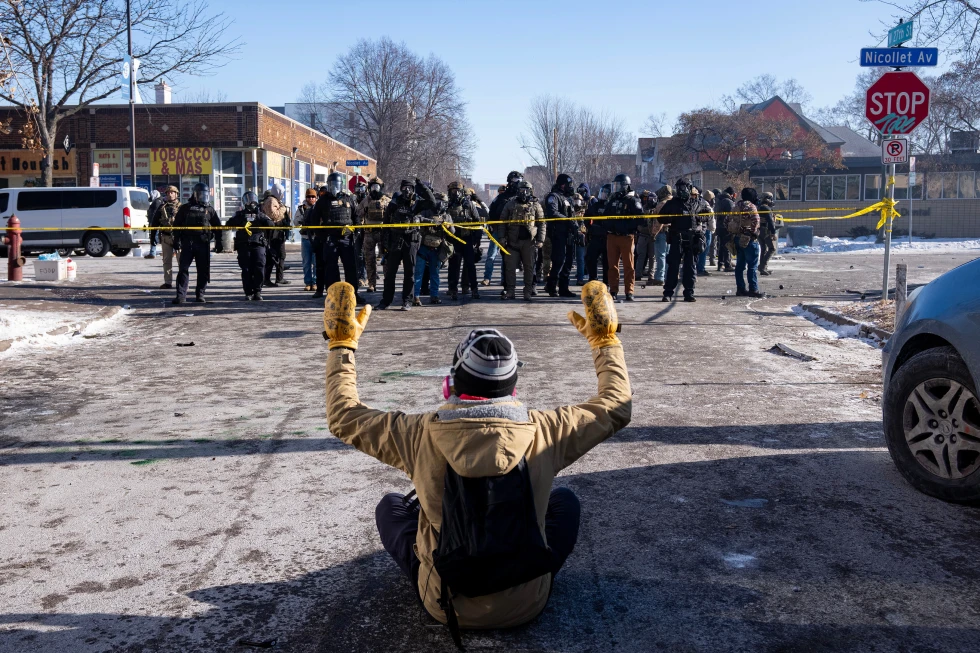
Recent actions such as the cessation of Temporary Protected Status for Somalis and the commencement of an immigration operation targeting individuals with final deportation orders have exacerbated fears. Local leaders are organizing legal training sessions and emergency contact plans to prepare for rights education and potential ICE interactions.
Kowsar Mohamed, a local resident, noted increased visibility of ICE and the palpable fear among community members of possible wrongful detentions. Most folks have the necessary identification, but the fear is around mistakes happening, she explained. Community organizations are taking proactive steps to bolster resilience and readiness in anticipation of intensified enforcement activities.
Despite the overwhelming sense of apprehension, community members remain resolute in their identity and rights, emphasizing their determination to stand firm amid these challenges.