Trump’s Russian Diesel Deal Sparks a Midterm Energy Uproar
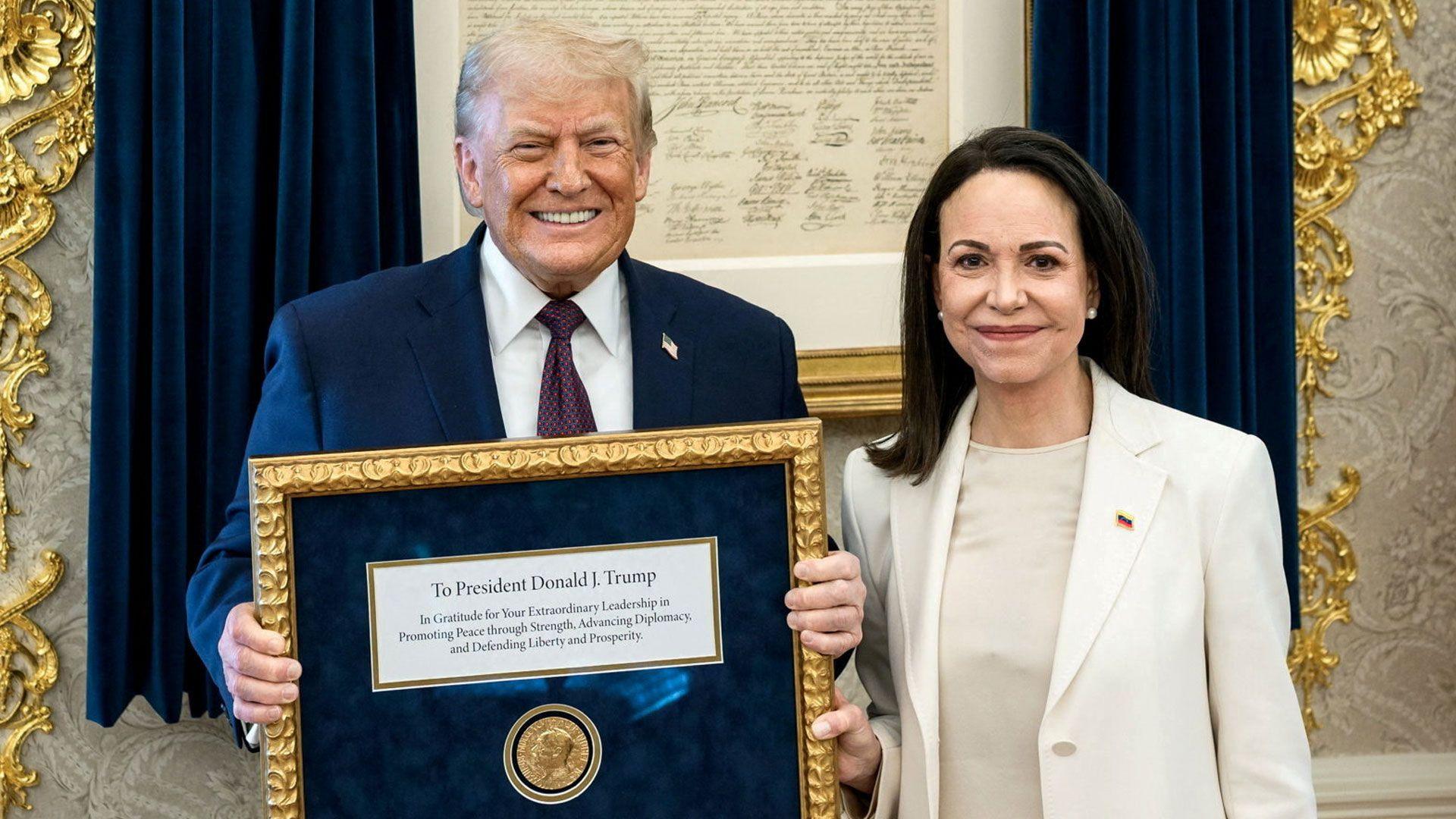
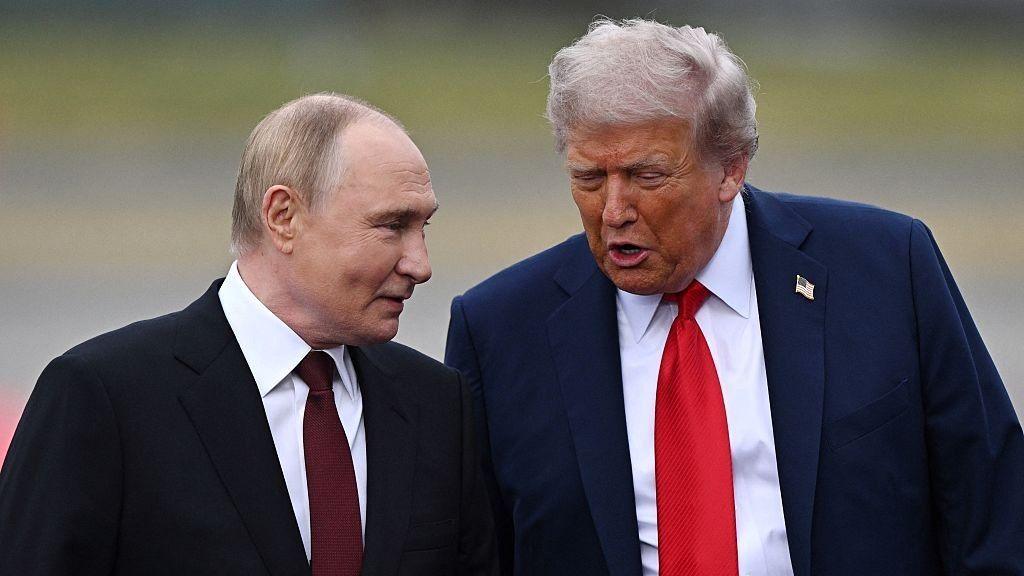
In a move that has stunned energy analysts and political strategists alike, Donald Trump announced that Russian President Vladimir Putin will ship hundreds of thousands of tons of diesel to the United States and global markets in the next few months. The announcement was made just weeks after the administration had authorized fresh sanctions and tariffs on nations that import Russian oil and gas.
The timing could not be more critical. Fuel costs—already spiking across the country—have hammered consumers and commercial operators, especially in agricultural states that depend on diesel to power machinery and transport produce. With the midterm elections looming next month, the former president faces mounting pressure to deliver tangible relief to voters.
What the Deal Actually Means
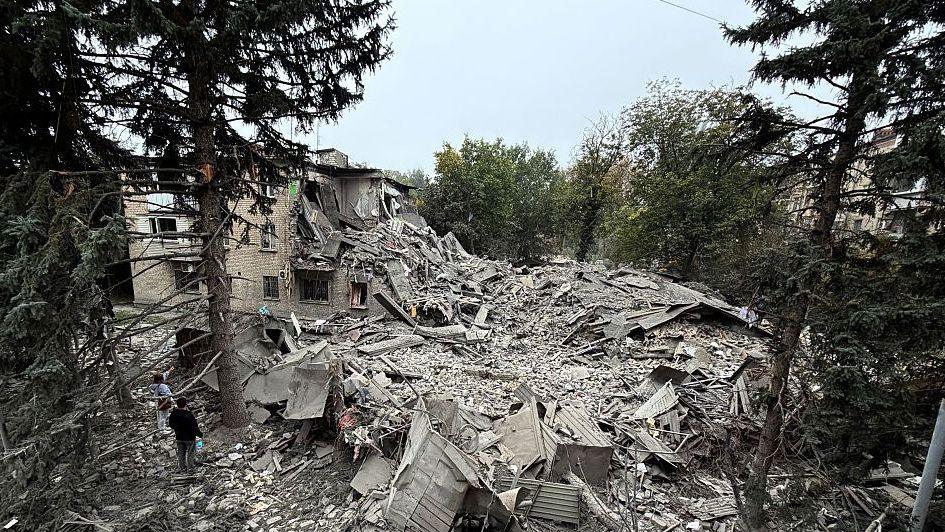
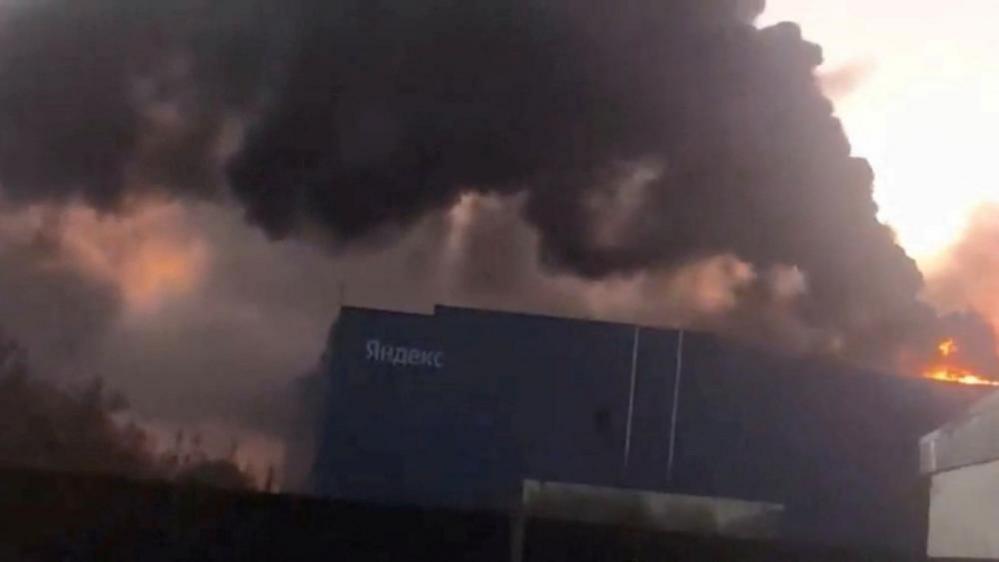
While Trump’s campaign chief touted the deal as a “wish‑fulfillment” for farmers and truckers, the practical impact may be limited. Russia’s diesel output is fractured by Ukraine‑driven attacks on refinery infrastructure, and the logistics of shipping the promised 300,000 tons could take months. Even if the delivery is expedited, the volume constitutes only about 50 % of the U.S.’s daily diesel consumption of roughly 3.6 million barrels, making any price drop marginal at best.
Furthermore, the policy opens the administration to criticism from European allies and domestic lawmakers who accuse it of fuelling the Kremlin’s war‑machine. Ukrainian President Volodymyr Zelensky lambasted the move on X, dismissing it as a “gift” to Putin that the world will pay for with “terror and perfidy.”
Political Calculus Ahead of the Midterms
Key battlegrounds in Iowa, Kansas, Texas, and Ohio—states that historically swing between parties—are watching the deal closely. Although the administration claims lower prices are the “greatest priority,” crude and refined‑fuel markets have continued to rise over the past seven months, eroding the narrative that the Kremlin deal will deliver swift economic relief.
The promise that Russia will release diesel “in the coming months” may resonate with a segment of voters weary of high pumps, but early polls suggest that price shocks are just one of many factors—alongside pandemic fatigue, inflation, and foreign policy tensions—that will shape voter turnout and party loyalty.
Looking Ahead
Only time will tell whether the deal provides the political windfall Trump hopes for or backfires by drawing sharper scrutiny over his foreign policy choices. Regardless, the episode underscores the intricate link between energy supply chains, geopolitical alliances, and domestic politics as the U.S. heads into its pivotal midterm election cycle.