Ceasefire Breaches: Daily Strikes Leave Gaza Families in Peril
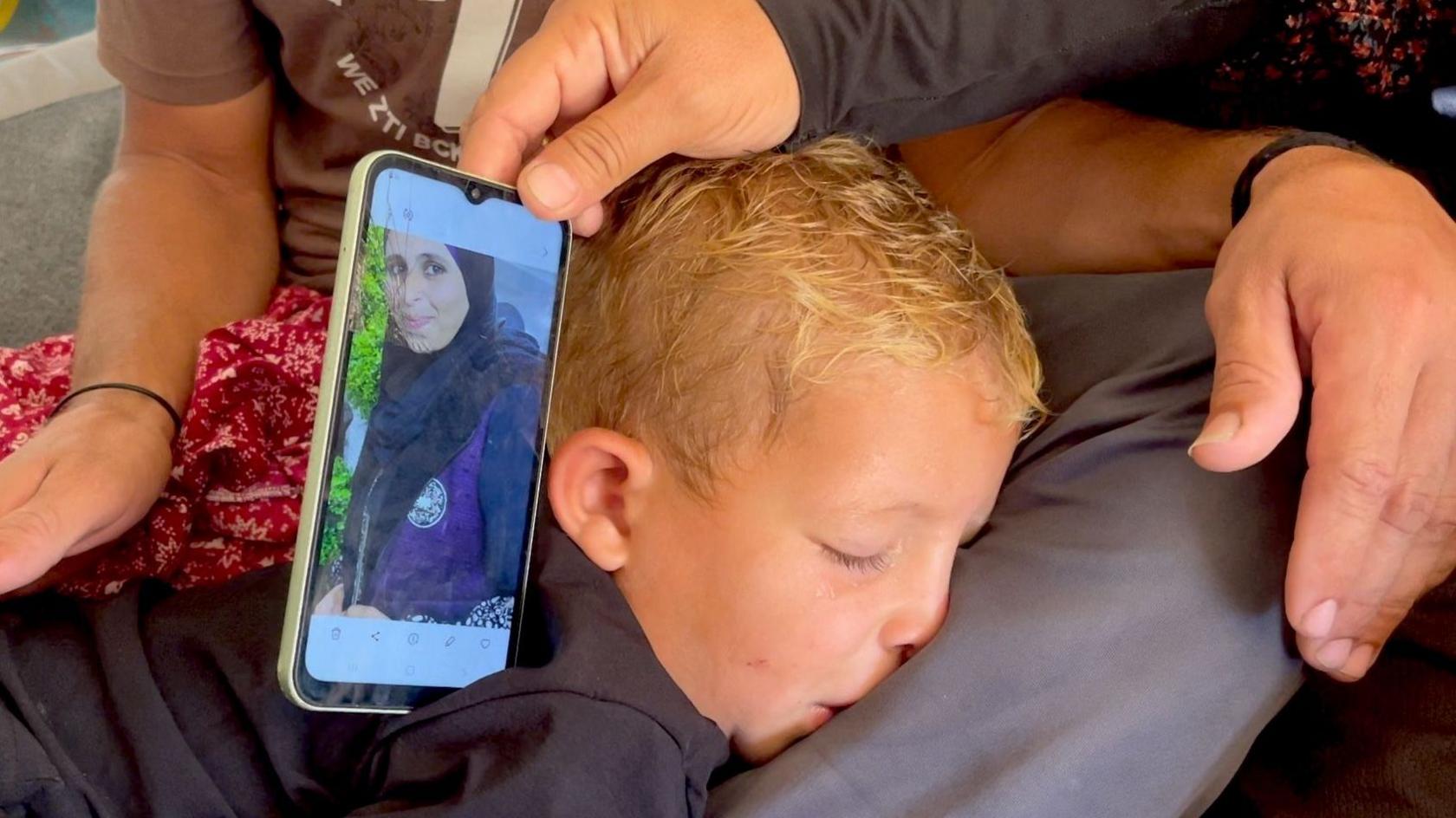
Every day, the streets of Gaza echo with gunfire, even as a formal cease‑fire sits on the table. Mother Fida al‑Toutah, 31, and her family were in a central tent when bullets tore through the air. Her son, Ezz, later recalled hearing his mother shout for them to drop down, a plea that ended with a fatal headshot.
The Gaza Health Ministry reports more than 1,400 deaths under the cease‑fire, a figure trusted by the UN. Yet the IDF has denied any record of Fida’s death. Over a year on, the pattern of daily strikes continues, with humanitarian aid increased but shielding missing and reconstruction stalled.
Families like Fida’s move repeatedly, each relocation bringing new dangers. Ibrahim, her brother, exposed holes inside their tent, claiming a spray of bullets by an Israeli vehicle and drones aimed at civilians. Their neighborhood, Zeitoun, was abandoned in search of safety, only to find death following them.
Children face grim realities: a 14‑year‑old fisherman was shot in the southern Rafah area, and epileptic seizures of a son worsen in harsh winter conditions, all inside a one‑gallon billy barrel tent. Amal Alabadla, another mother, lost her home and job, now wrestling alone with two boys amid coastal flooding and constant threat of tent collapse.
Political stalemate persists. The October 2025 peace pact promised reconstruction, yet materials and machinery remain heavily restricted, while the second phase of the deal sits in limbo. Reactions from international actors—Trump’s disarmament plans, Israeli insistence on security conditions—have yet to translate into on‑ground change for Gaza’s residents.
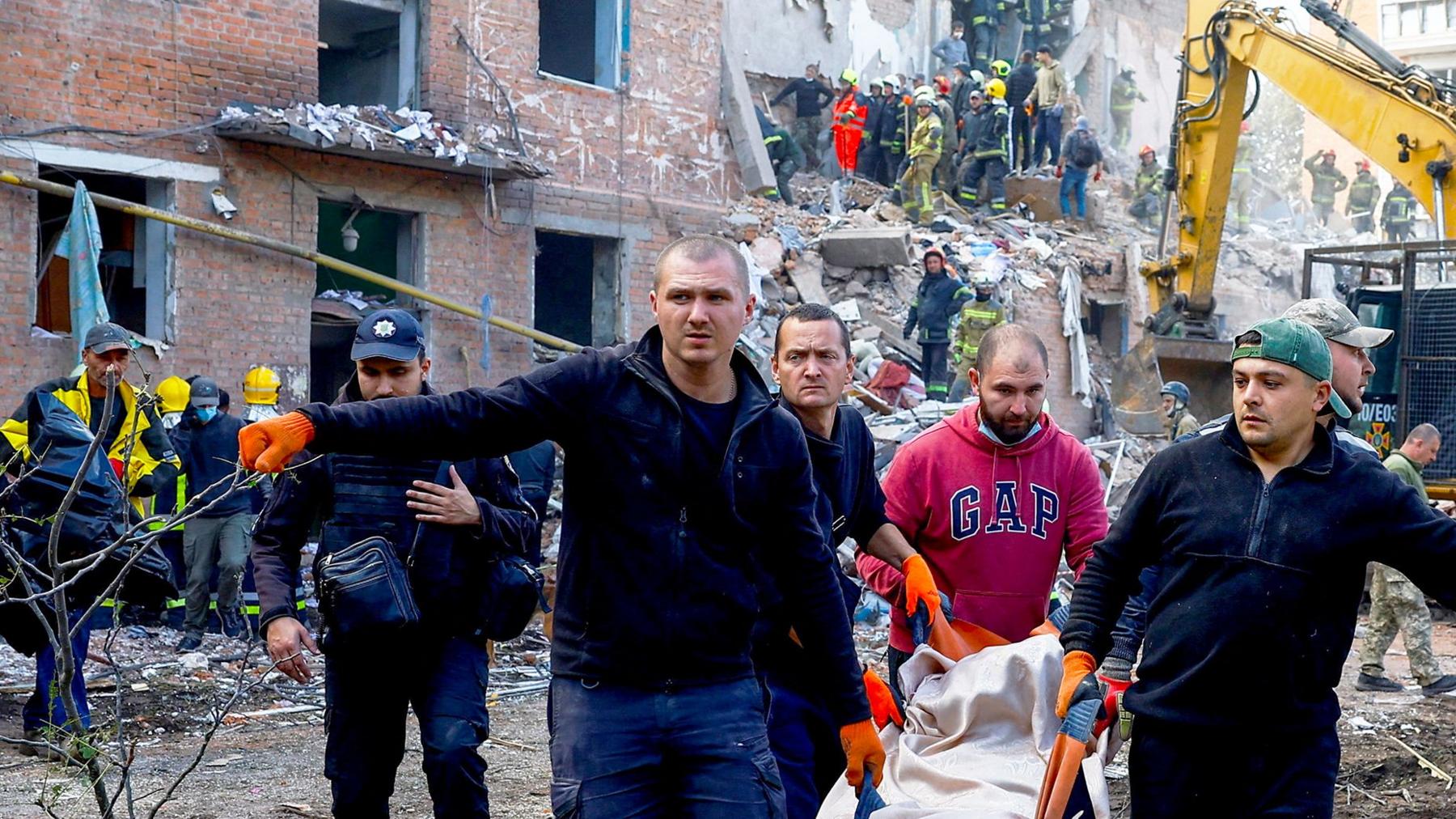
With over 74,000 Israeli‑led attacks taking lives in the region, the question remains: how long will cease‑fire rhetoric mask persistent violence? The picture of war‑torn cities, flooded camps, and families in tents underscores a crisis that has turned into a humanitarian nightmare, demanding urgent, tangible action beyond promises and politics.