Trump’s Unexpected Russian Diesel Deal: A Calculated Gamble

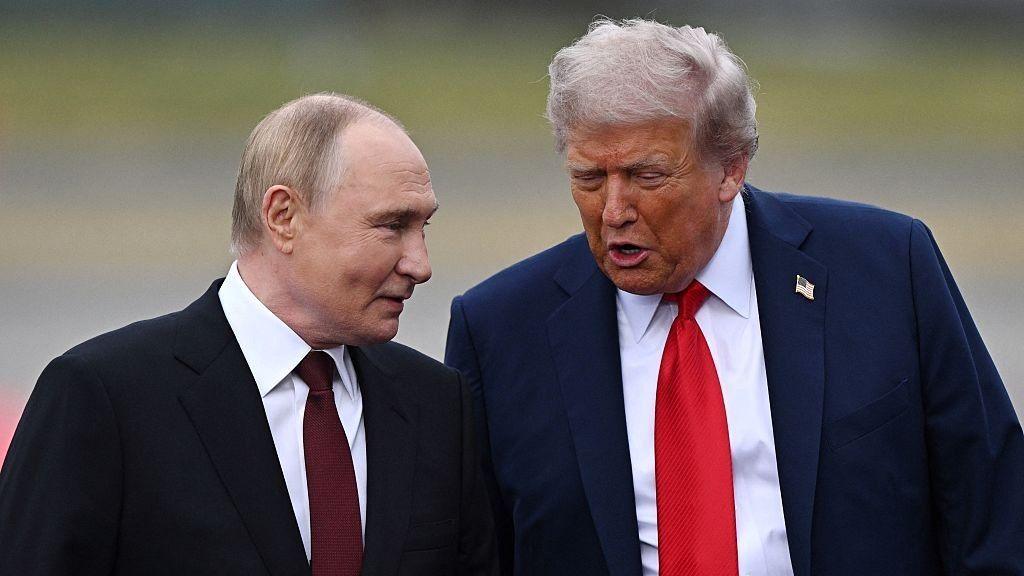
Donald Trump announced before the federal election that he has secured a supply of Russian diesel fuel for the United States and global markets – a reversal of the sanctions and tariffs he signed three weeks earlier.
The decision comes as fuel costs have surged worldwide, stoking inflation and eroding consumer confidence in the U.S. Trump’s policy has turned agriculturally heavy states such as Iowa, Kansas, Texas and Ohio into key battlegrounds for the upcoming mid‑term polls.
While the deal promises to relieve pressure on farmers and truckers, experts caution that the volume – roughly 300,000 tons of diesel per month – only represents about half of the U.S.’s daily consumption of 3.6 million barrels. As a result, price consequences could be modest at best.
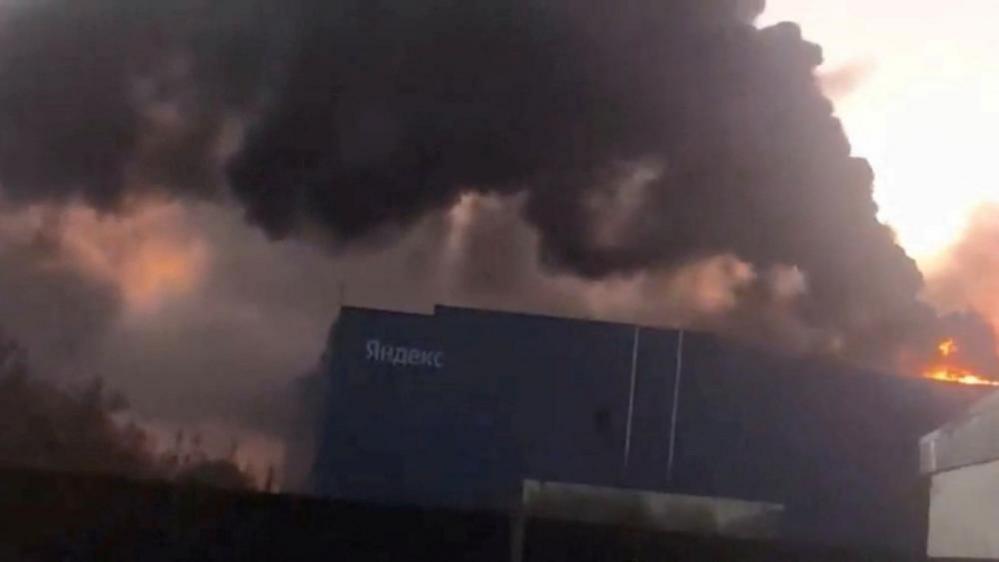
More importantly, allowing Russian fuel into the world market risks bolstering Kremlin revenues at a time when its refineries have suffered repeated Ukrainian attacks. The move has already drawn criticism from President Volodymyr Zelensky, who described the arrangement as a “gift” to Putin that would fund further aggression.
Trump framed the agreement as a response to the “political pain” of rising fuel prices, noting that the administration had already taken steps such as easing federal tax burdens on fuel and permitting cross‑state trucking streams licensed for farm use. Yet, with the election horizon a few weeks away, it remains unclear whether the deal will translate into tangible political support.
What the data show is that the trade imbalance may not shift global markets quickly and that sanctions still wield significant influence over global energy flows. The administration’s gamble illustrates the tension between domestic economic interests and international diplomatic commitments, a narrative that will likely shape the final vote.