U.S. sanctions the International Criminal Court
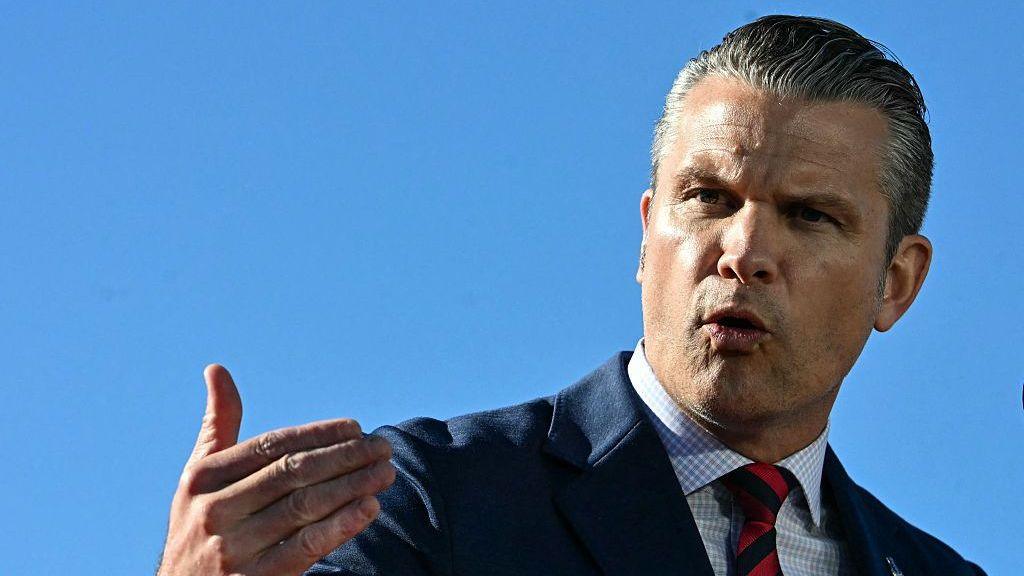
The Trump administration has announced a set of sanctions that will keep U.S. individuals and companies from providing services, including banking, software, and other support, to the ICC. The sanctions, rolled out by Secretary of State Marco Rubio, are intended to limit the court’s resources and operational capacity, a move that U.S. officials say is necessary to defend national sovereignty.
Rubio’s statement framed the embargo as a response to what he characterized as the ICC’s attempts to prosecute Americans. He warned that, “Either the ICC will end its threats, or we will end the ICC,” and urged U.S. allies who are ICC signatories to curb the tribunal’s influence.
The International Criminal Court has condemned the sanctions as an assault on the rule of law and the foundations of the international legal order. The court’s leadership maintains that it has no jurisdiction over the United States, a country that never ratified the Rome Statute that created the ICC, though it has reviewed U.S. actions in other jurisdictions, including investigations into U.S. forces in Afghanistan.
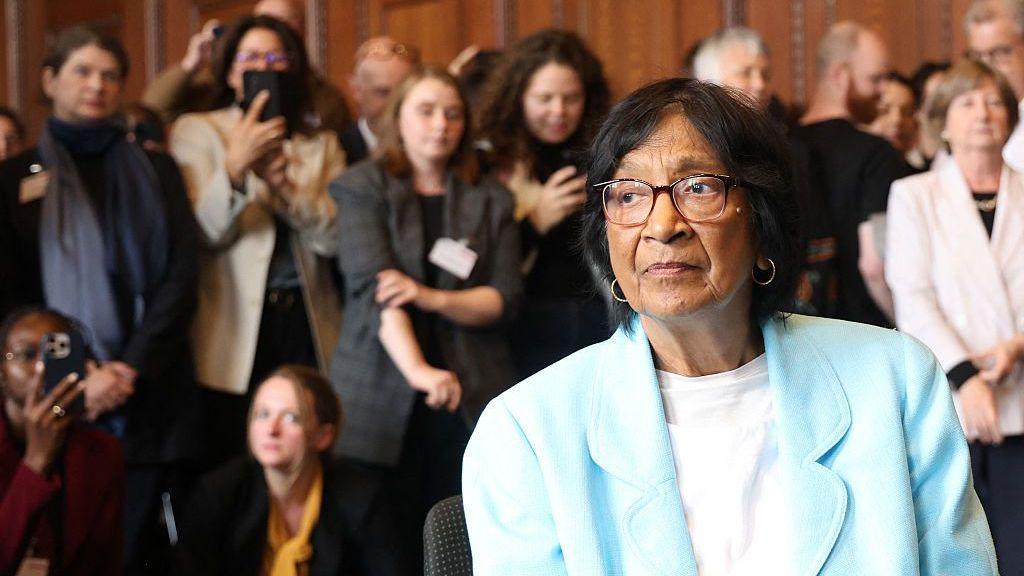
Trump’s criticism of the ICC intensified after the Nobel Peace Prize was awarded to former ICC judge Navi Pillay for her work promoting peace and international law. The former judge had earlier led a panel that called both Israel and Hamas war‑crime, a decision that U.S. officials found objectionable. Trump’s reaction to the prize—he expressed a desire to receive it himself—further fueled the dispute.
U.S. officials said the sanctions were structured to allow the ICC and its member states to address U.S. concerns through dialogue, and that other countries could negotiate a potential resolution. The embargo will restrict all U.S. entities from transactions with the ICC, encompassing a broad array of financial and technical services.
Reactions and implications
The ICC’s opposition to the sanctions stems from the belief that they hinder its ability to investigate alleged war crimes and threaten cooperation with the court. The court vowed that it would not be deterred.
Some analysts warn that the U.S. move could deepen fissures in international diplomacy, especially as the ICC continues to pursue cases involving Israeli officials and other foreign leaders. The sanctions are also seen as a warning to other nations that may question U.S. foreign policy priorities while the country faces its own scrutiny over legal standards and accountability.