Kyiv families seek safe havens as winter and war pressures mount
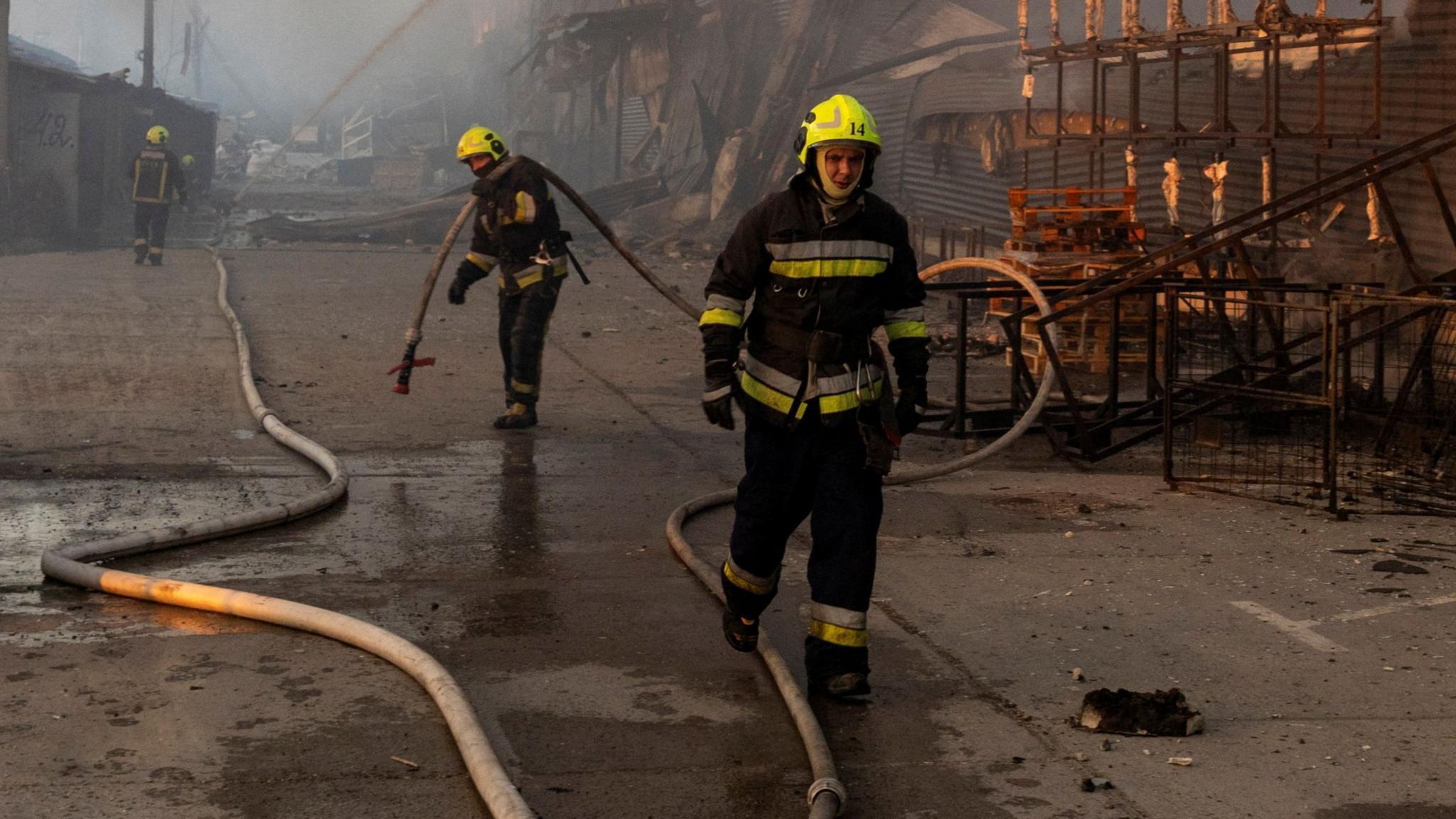
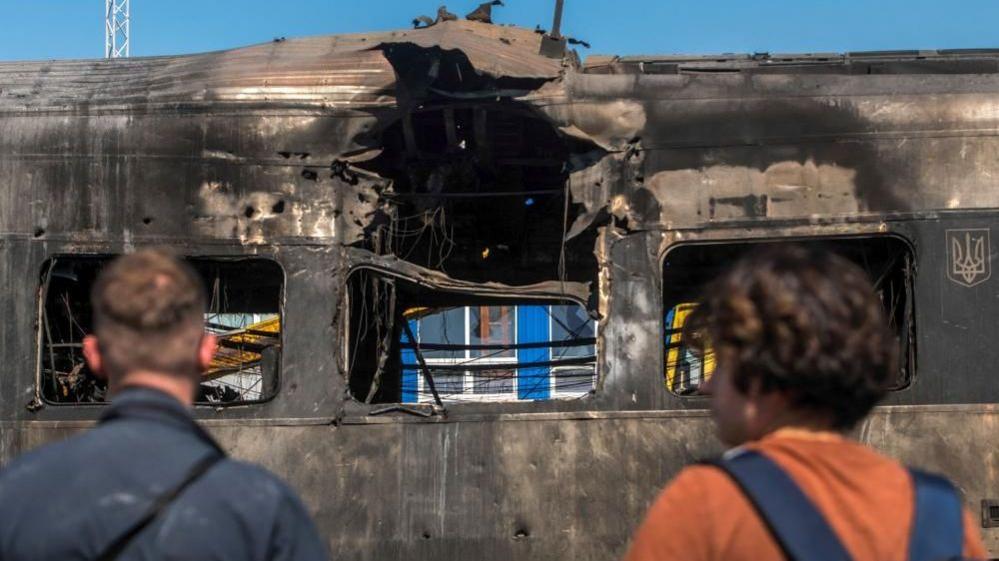
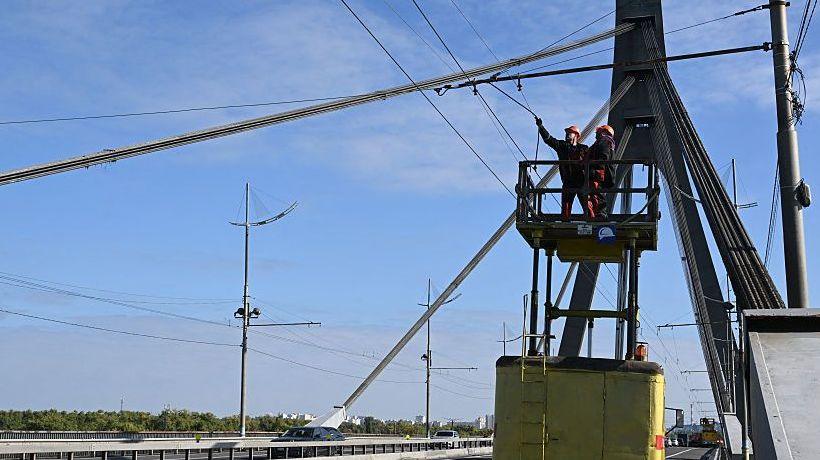
As Russia’s relentless strikes on the capital climb in frequency and intensity, Kyiv residents are making choices that would once have seemed absurd in peacetime. Prolonged sub‑zero temperatures have turned the city’s already fragile power grid into a ticking supply‑chain bomb.
"It was a very difficult winter last year in Kyiv," says Mariia Shostak, a mother of two, now packing the last bags from her flat. She plans to move with her four‑year‑old son and two‑year‑old daughter to the Egyptian resort town of Hurghada, where heat and cheaper living costs offer a tentative refuge from the danger and blackout that have plagued the city.
The shift is not limited to a handful of families. A September survey by the research company Gradus found that 40% of Ukrainians would consider relocating if conditions worsened, 35% would stay, and 25% remain undecided.
“People juggle a range of stresses – power cuts, shortages and the threat of air attacks – and decide based on their family’s safety and well‑being,” comments Evgeniya Blyznyuk, Gradus founder.
For those who cannot afford to stand near the front lines or fly abroad, fleeing to a quiet rural community offers a patience‑driven alternative. Olena Konoplia tells how she found a secluded cottage two hours outside Kyiv, free from key infrastructure that Russian forces might target. The house features gas heaters and a firewood supply, and she has set up high‑speed internet so she can continue her work with a Kyiv‑based charity from this calm location.
Not everyone has that option. The city has begun converting sanatoriums and rehabilitation centres in forested outskirts into temporary shelters for the elderly and families with young children. Simultaneously, authorities have installed about fifteen small‑scale power plants—each protected by steel cages—in the city’s periphery to reduce reliance on the bombed national grid.
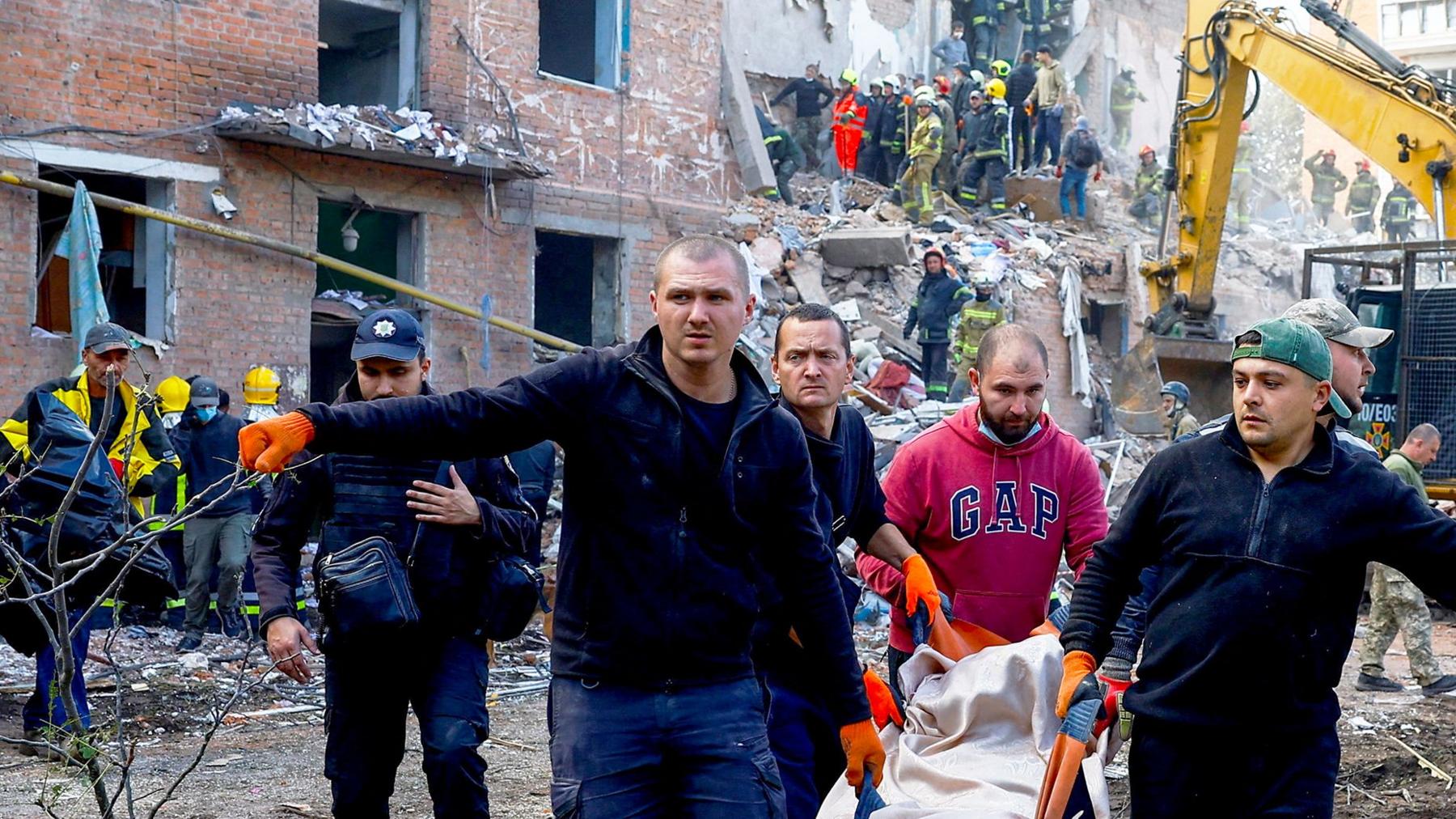
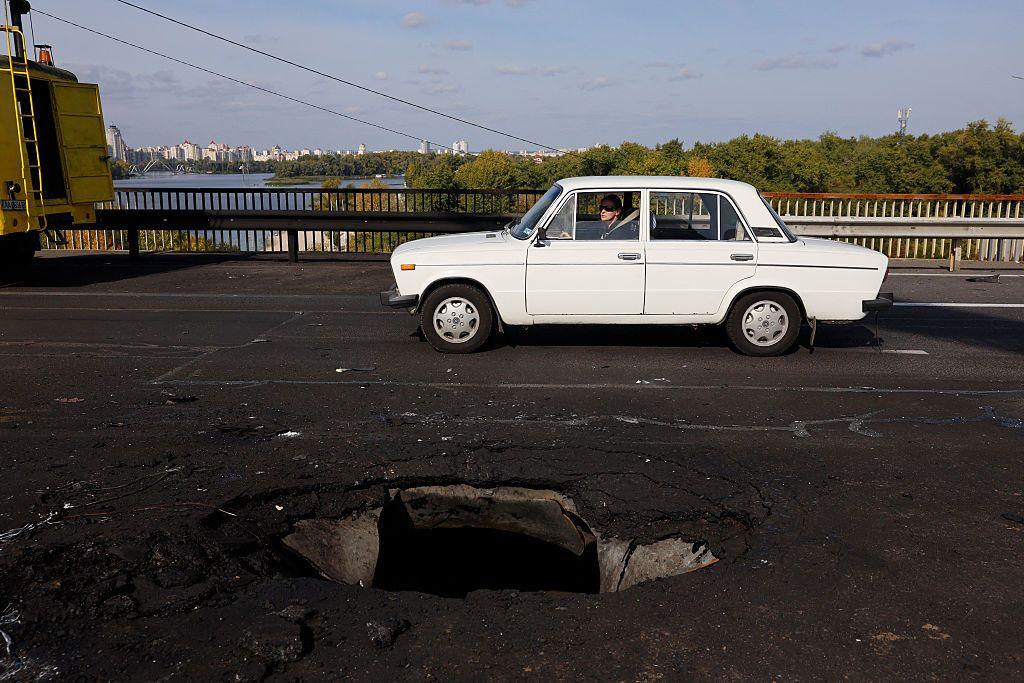
These measures, however, may only delay a larger exodus. The ongoing destruction of bridges, petrol stations and schools further erodes daily life and fuels the anxiety of mothers like Iryna, whose three‑year‑old daughter now suffers from chronic anxiety and seizures that flare after each blast.
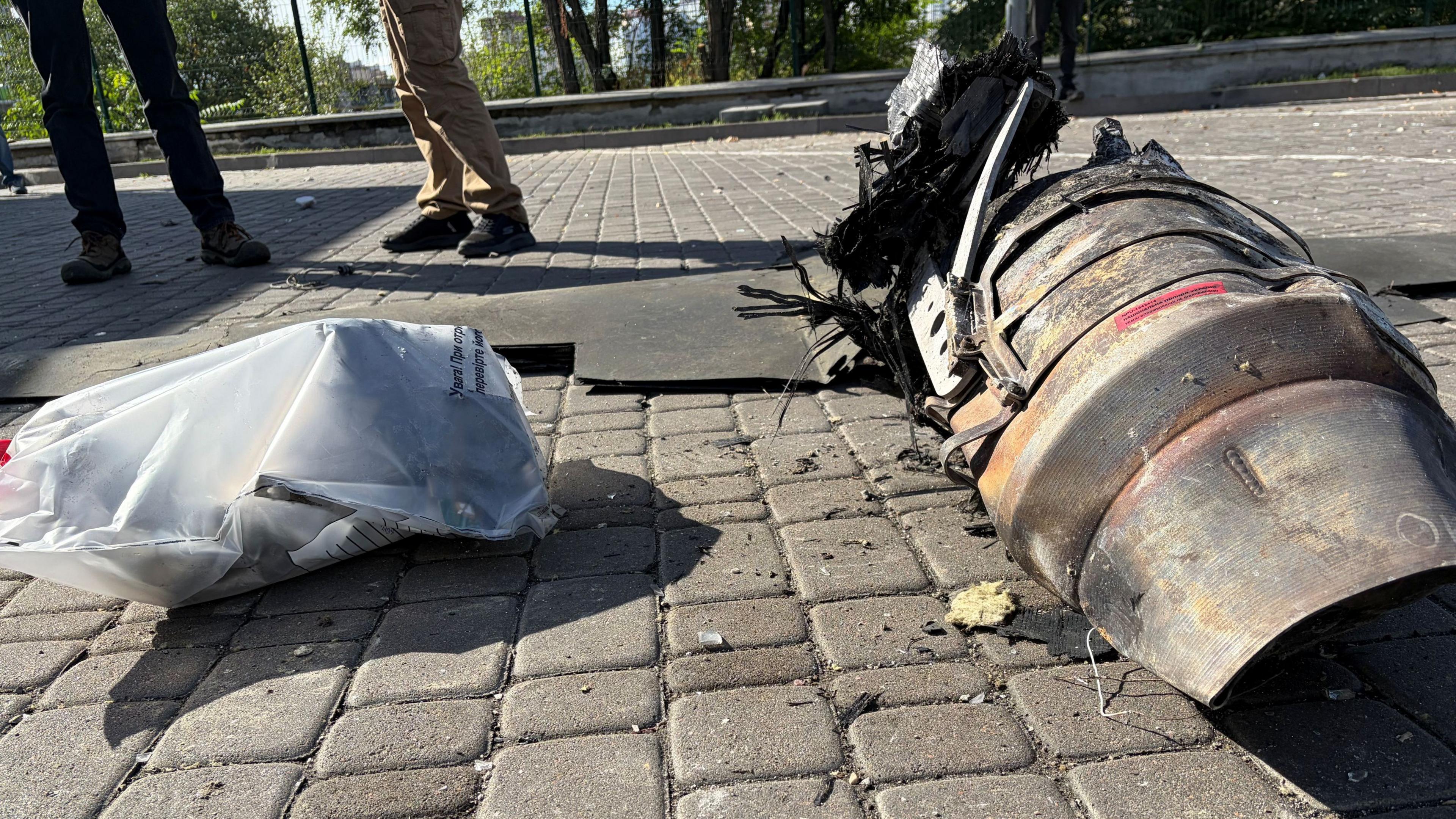
 Wreckage from Russian drones can be found on the streets of the capital
As the nation grapples with a dual crisis—war and winter—individual decisions are becoming increasingly urgent. Whether evacuating to the green lanes of rural Ukraine or leaving the country for warmer climates, Kyiv’s residents are confronting the reality that survival now hinges on choosing a place where they can live in relative safety and, at last, sleep without the sound of sirens and the sting of cold.