In brief
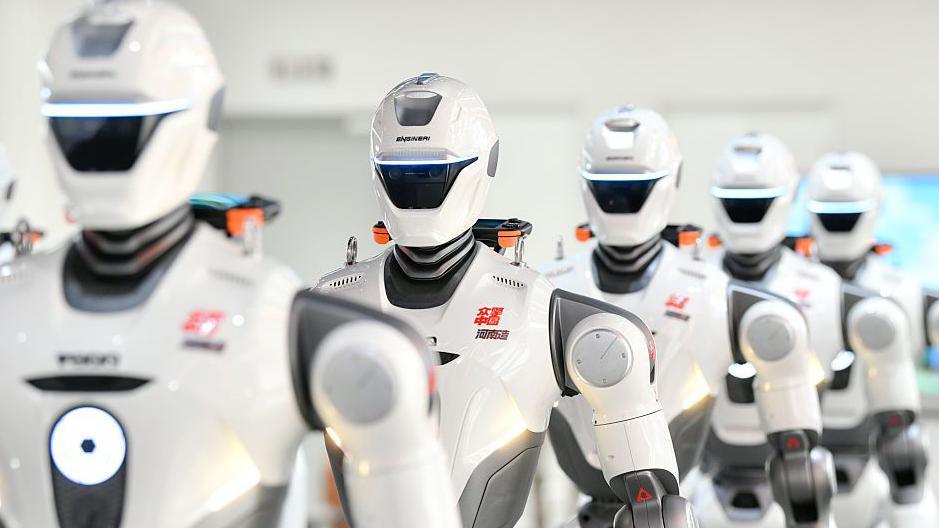
The Trump administration announced a ban on new foreign-made humanoid robots, labeling them a threat to national security. The policy targets advanced robots—including four‑legged and humanoid models—largely produced in China, part of the U.S. effort to curb China’s robotics and AI rise. The Federal Communications Commission also added power inverters to its covered list, citing risks of remote control and data theft. China condemned the move as politicized trade pressure, while U.S. officials justify it as protecting critical supply chains. The ban does not affect existing models already cleared by the FCC.
Trump Administration Blocks Chinese Humanoid Robots
The Biden‑era Cabinet announced on Tuesday a prohibition on imports of new foreign‑made humanoid robots, citing “unacceptable risks” to U.S. national security. The legislation targets advanced machines—including four‑legged robots—primarily built in China, which is seen as a rival in both robotics and artificial intelligence innovation.
A Move to Protect Critical Supply Chains
FCC Chairman Brendan Carr explained that foreign inverters could allow external actors to shut down systems, steal data, or grant unauthorized surveillance. The agency added such devices to its Covered List, a register used to flag goods that might threaten U.S. security.
China’s Response and Trade Tensions
The Chinese Embassy in Washington stated Beijing would take “necessary measures” against any move that harms its interests, urging nations to pursue AI for “positive and good” outcomes. China has long opposed U.S. sanctions on trade, describing them as “groundless pretexts.” The ban is part of a broader U.S. strategy to curb China’s export of high‑tech goods, including semiconductors and electric vehicles.
Impact on the Global Robotics Market
Automation companies like Unitree, UBTech and AgiBot, among others, have rapidly expanded their humanoid offerings to factories and homes. U.S. rivals, such as Tesla and Boston Dynamics, have announced plans to enter the market later this year. The ban may delay U.S. firms’ access to a crucial supplier base and could reshape the competitive landscape.
With technology and trade now intertwined, the U.S. decision raises questions about the future of robotics in an increasingly digital and interconnected world. Analysts suggest that the ban could prompt a surge in domestic development, though the global supply chain remains fragile.