In brief
In the Himalayan highlands, a sudden flash flood ripped through Gyirong Port, sweeping away lives and property. While the world saw thousands of CCTV shots online, Chinese outlets have shown only a single still frame, leaving survivors’ stories largely unheard. The government’s tight control over media and rapid dispatch of rescue teams reflect a strategy aimed at maintaining stability while suppressing dissent. As casualties rise and displaced families struggle to share their ordeals, the international community questions how censorship shapes public perception of natural disasters.
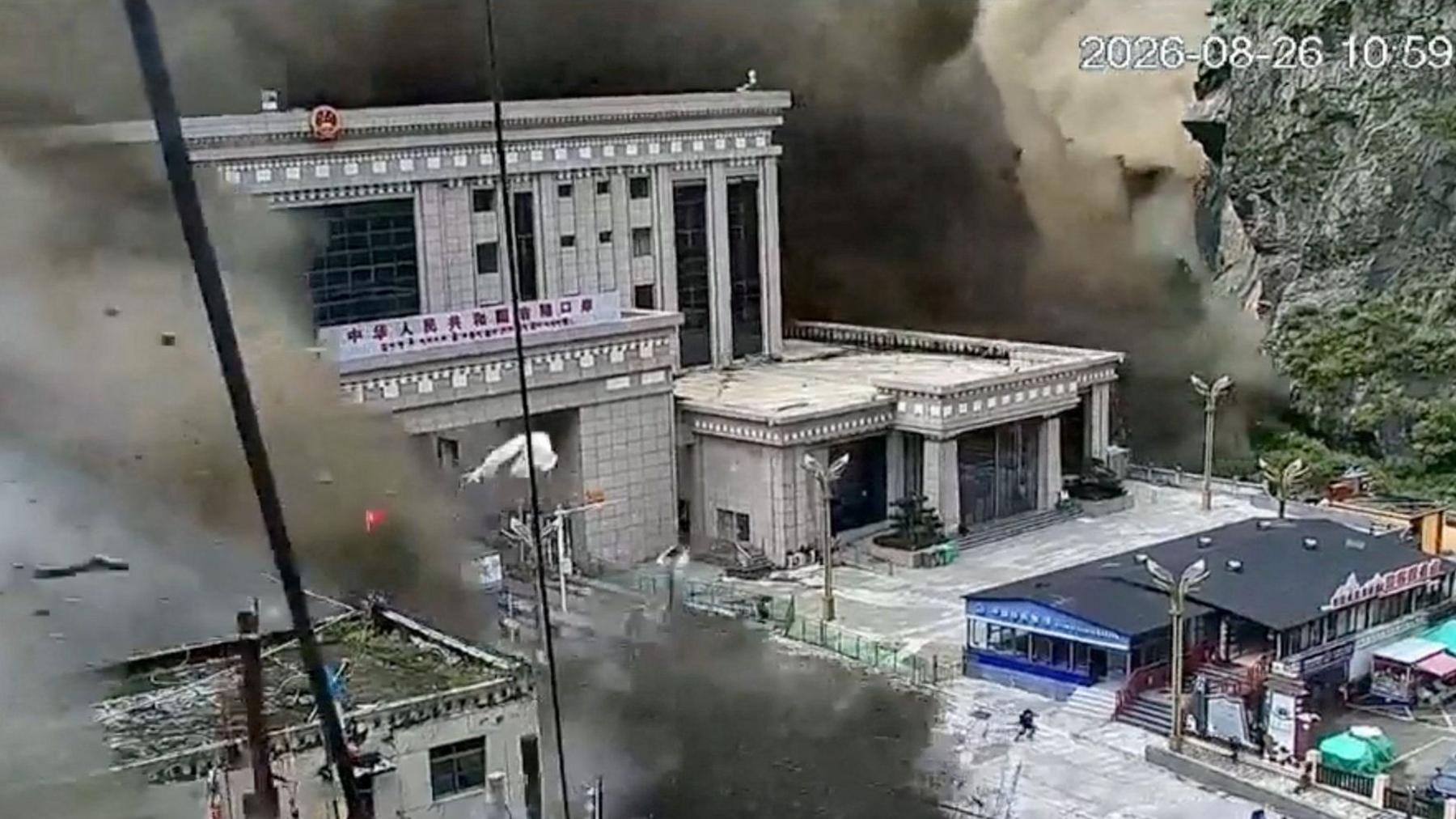
A torrent of water smashed through Gyirong Port, one of the main border crossings between Nepal and Tibet, leaving a trail of destruction that was vividly captured by CCTV cameras. The footage ran wild across the world’s social‑media feeds, a visual record of panic as crowds fled the sudden deluge.
In stark contrast, China’s state‑run media offered just one faint still‑frame to the public, a thin cloak over the disaster’s true scale. While rescue operations are broadcast on the main bulletin, the faces of trapped locals and the raw realities of the flood are almost entirely absent from domestic broadcasts.
No confirmed videos from Tibetan survivors can be found, and news outlets report that the Chinese authorities have started to scrub user‑generated content that could shed light on casualties or the aftermath. This lack of information means families of the missing find little support or answer even as they search for loved ones.
On the ground, emergency workers are navigating a landscape of mud and shattered lives. Beijing’s Premier Li Qiang has visited the site to oversee debris removal, a rare rapid response that underscores the regime’s prioritisation of order amid the crisis. The visible avalanche of rescue teams, compared with the quiet online narrative, hints at a broader strategy: to maintain social stability while preventing potential sympathy protests that might strengthen separatist sentiment.
Activists calling for transparency argue that the flood’s true toll has been obscured by a system designed to suppress dissent. The International Campaign for Tibet has urged authorities to disclose verifiable data on damage and casualties, a request that remains unmet as Chinese media continue to curate the story.
The launch of President Xi’s new book on the national broadcaster’s main bulletin—an event intended to promote unity—coincidentally created a cover for the flood’s muted coverage. Readers face a paradox: a storm raging inside a region they are forbidden to fully reveal.
The world watches a disaster that reverberates beyond the physical; it is a test case of how information suppression can shape public understanding, especially in regions where dissent is tightly controlled. If the voices of those who survived do not surface, the international narrative will remain incomplete, underscoring the continued importance of data‑driven journalism that seeks out hidden narratives and brings them into view through technology and analytic depth.