In brief
The sudden flash flood that engulfed Gyirong Port on the Nepal‑Tibet border turned into a national tragedy, yet the Chinese state screens almost all footage of the descent. Chinese state media released only a single still‑frame, and the country’s internet has been emptied of user‑generated videos and survivor testimonies. Beijing has mounted a large rescue operation, but the stifling censorship reinforces fears that the disaster might spark unrest in a region long denied basic freedoms. Human rights groups urge authorities to publish complete data on the damage and the dead. Meanwhile, Tibetan communities abroad are increasingly alarmed by what has become a stark example of Beijing’s control over information and life‐and‑death outcomes.
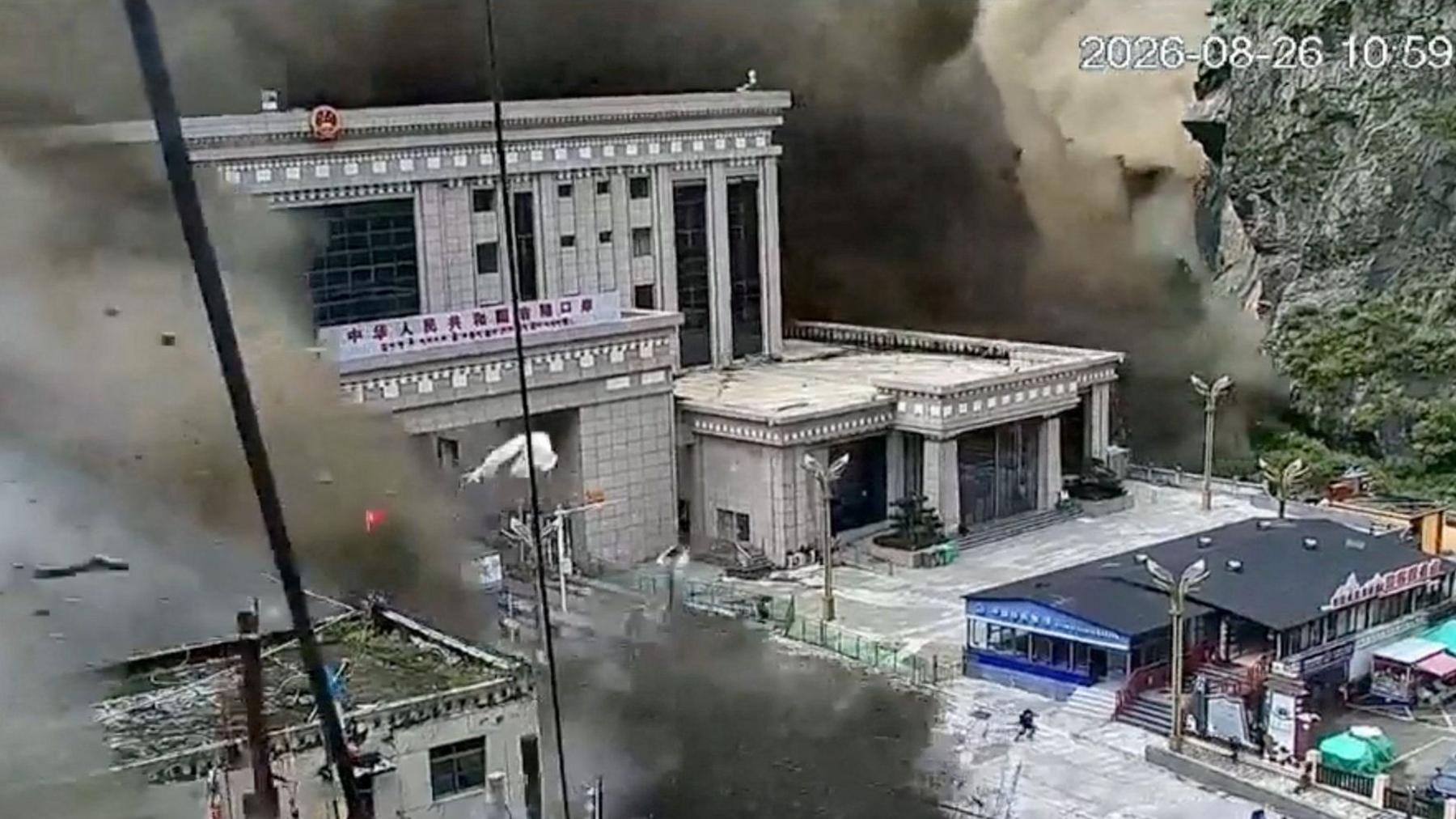
When the torrent that burst out of the Khabie River swept through Gyirong Port, one of the main crossing points between Nepal and Tibet, the flood spewed mud, water and devastation across the border. The dramatic visuals were captured on the CCTV cameras that line the pocket‑gated border and posted instantly to the global social networks, where millions could see the chaos unfold. In China, the footage was almost entirely suppressed – a single still‑frame was shown on the state broadcaster’s flagship news programme, but no video or close‑up accounts were published.
The state’s decision to keep the footage out of play has left a vacuum of national information and left the international community fraught with uncertainty. Many of the flood’s victims are still missing, and their families, whether within China or in exile, struggle to find confirmations or personal stories because the Chinese government has systematically removed videos and other first‑hand material from the platform.
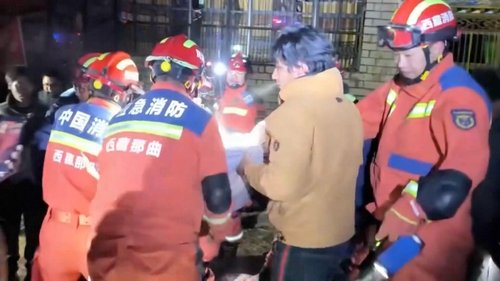
Beijing’s response was rapid on the surface: a rescue operation commanded by hundreds of emergency personnel and an emergency meeting chaired by President Xi Jinping. Premier Li Qiang made a swift visit to the region—an event uncommon for a second‑ranking leader. However, the escort of the official narrative and the removal of open information is viewed by analysts as a move to preserve a fragile sense of stability and public confidence across a region where protests are rare but extremely fragile.
The article and activist voices highlight that in Tibet, the “name” is sensitive. Chinese authorities issue covert communications across local party offices to prevent any speculation about the calamity, and discipline leaders who help maintain public order. Meanwhile, Tibetan monasteries and monks inside the region go forward under the watchful eyes of surveillance, and complain that “we are denied basic human rights”.
The International Campaign for Tibet has called for the disclosure of verified information about casualties and damage. They urge that the official narrative be coupled with uncomfortable transparency, allowing citizens to communicate with relief workers and their own families. The present lack of open media outlets in Tibet creates a unsettling scenario for international marginal audiences unable to contact volunteers or journalists, leaving the suffering hidden.
As the crowds watch the flood on the global platforms, China’s censoring of the footage serves a paradoxical purpose: to maintain control over information and to minimise potential public dissent generated by a national tragedy. The flood in Tibet, and Beijing’s response, vividly illustrate an enduring tension between humanitarian crisis and the political imperative of stability.