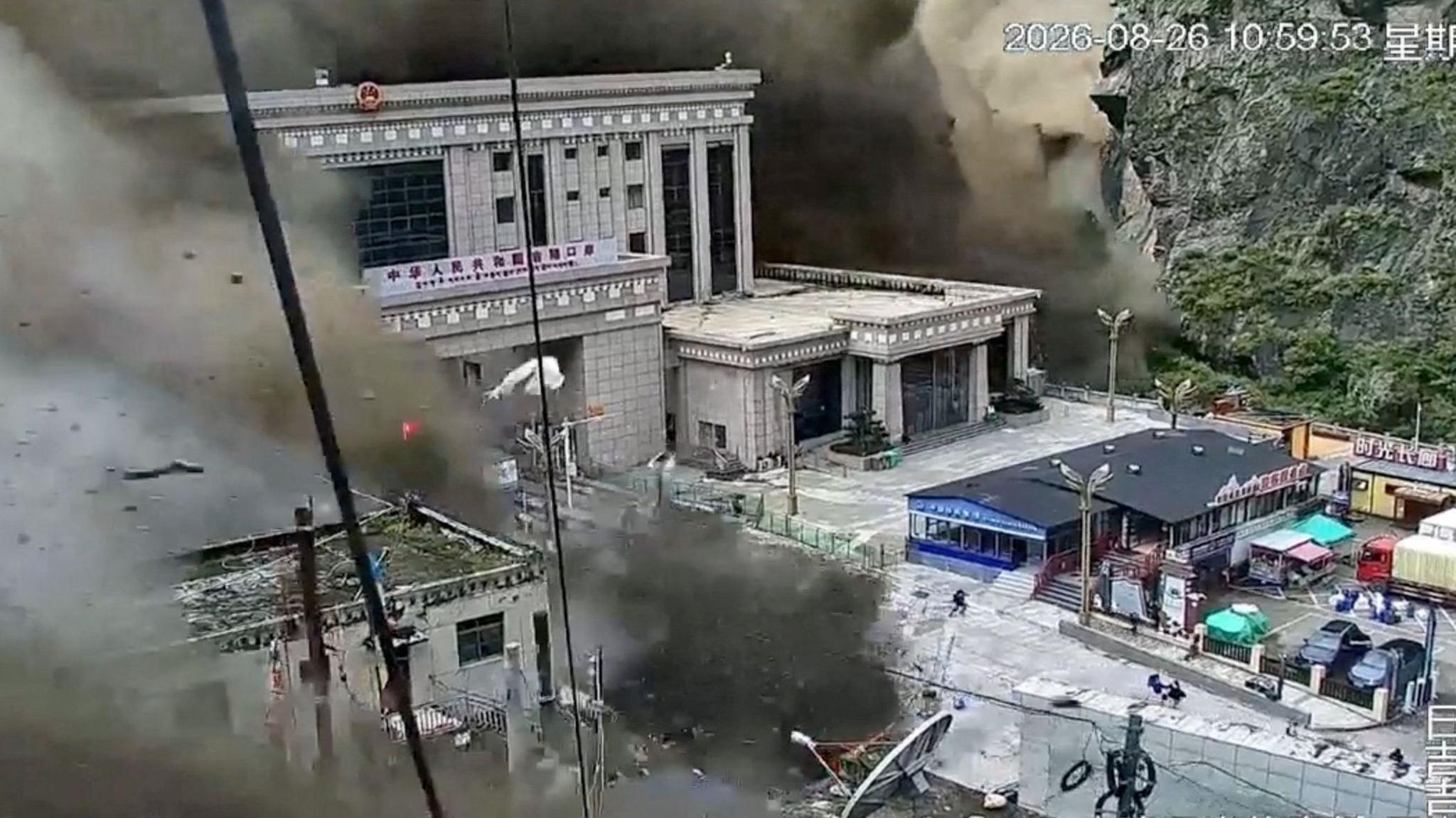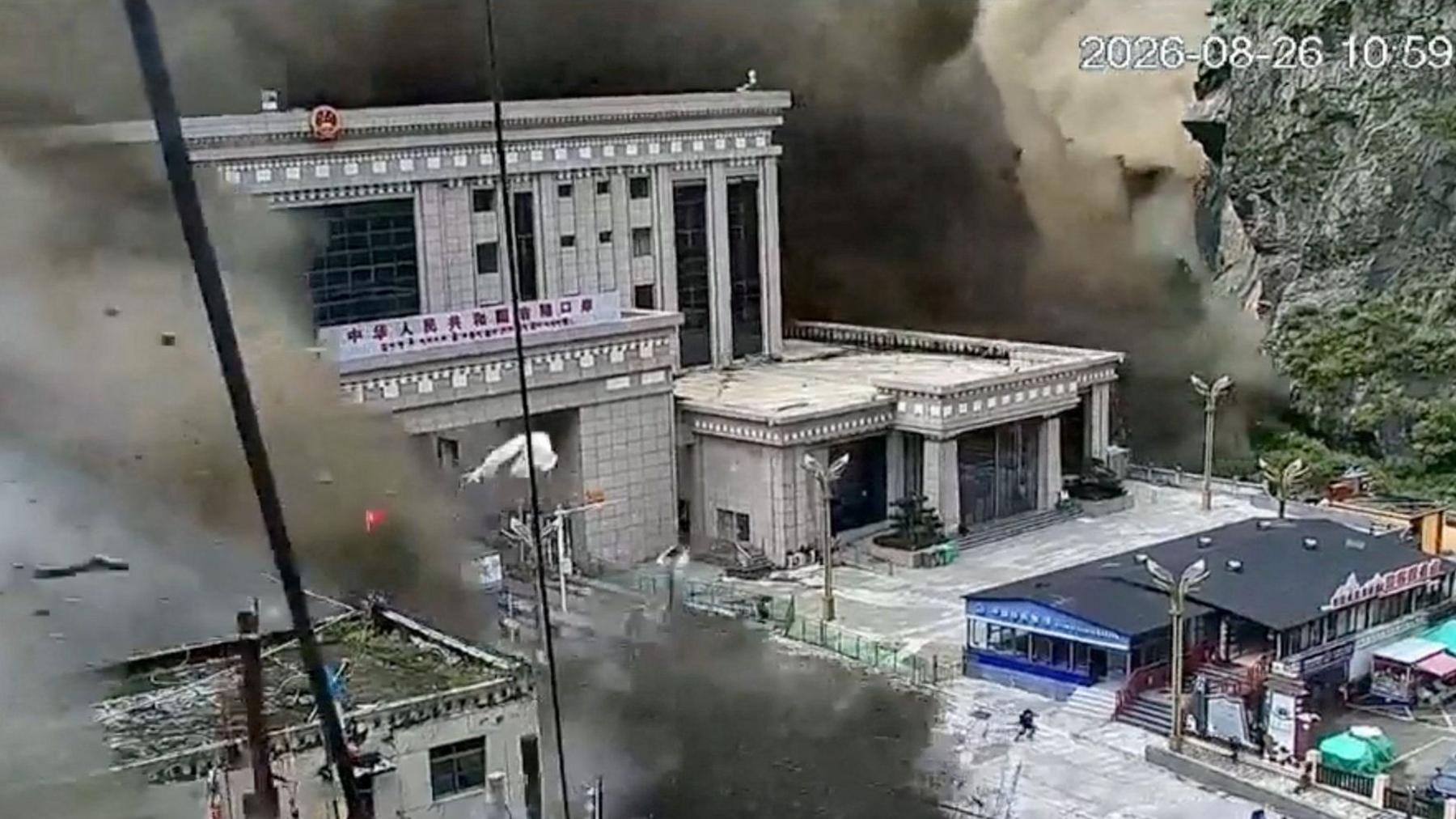
Rapid destruction at the remote Gyirong checkpoint – The video footage captured on 26 August 2026 shows a dark wall of water, mud, boulders and ice surging from behind buildings, overtaking the Nepali‑Chinese border in seconds.
Within ten minutes of the last recorded immigration transaction at 08:35:03 am local time, seismic sensors registered a tremor. Scientists later linked this movement to the collapse of a glacier high up, which unleashed a torrent that raced down the valley in about seven minutes.
Four immigration staff were swept away, with the head of the Rasuwagadhi office recovered downstream and a female official still missing. At least 275 Indians remain missing in Nepal, while the total toll may be far higher than the official count. One survivor—Tika Ram Pokharel, an immigration assistant who left for an exam—reports that 2,000 to 2,500 people could have been caught in the flood.
The event destroyed the Friendship Bridge that links Nepal and China, a core infrastructure piece for the passage of goods and pilgrims. Railway plans that would connect the region to Kathmandu are now at risk, and the flood’s impact on trade is swift: 80 % of Nepal’s electric‑vehicle imports from China travel this route.
“The crossing is one of Nepal’s two main trade ports with China,” says Posh Kumar Pandey, chairman emeritus of South Asia Watch, adding that the recent flood shows why Nepal needs an alternative border route and a reconsideration of its hydropower projects along the same river basin.
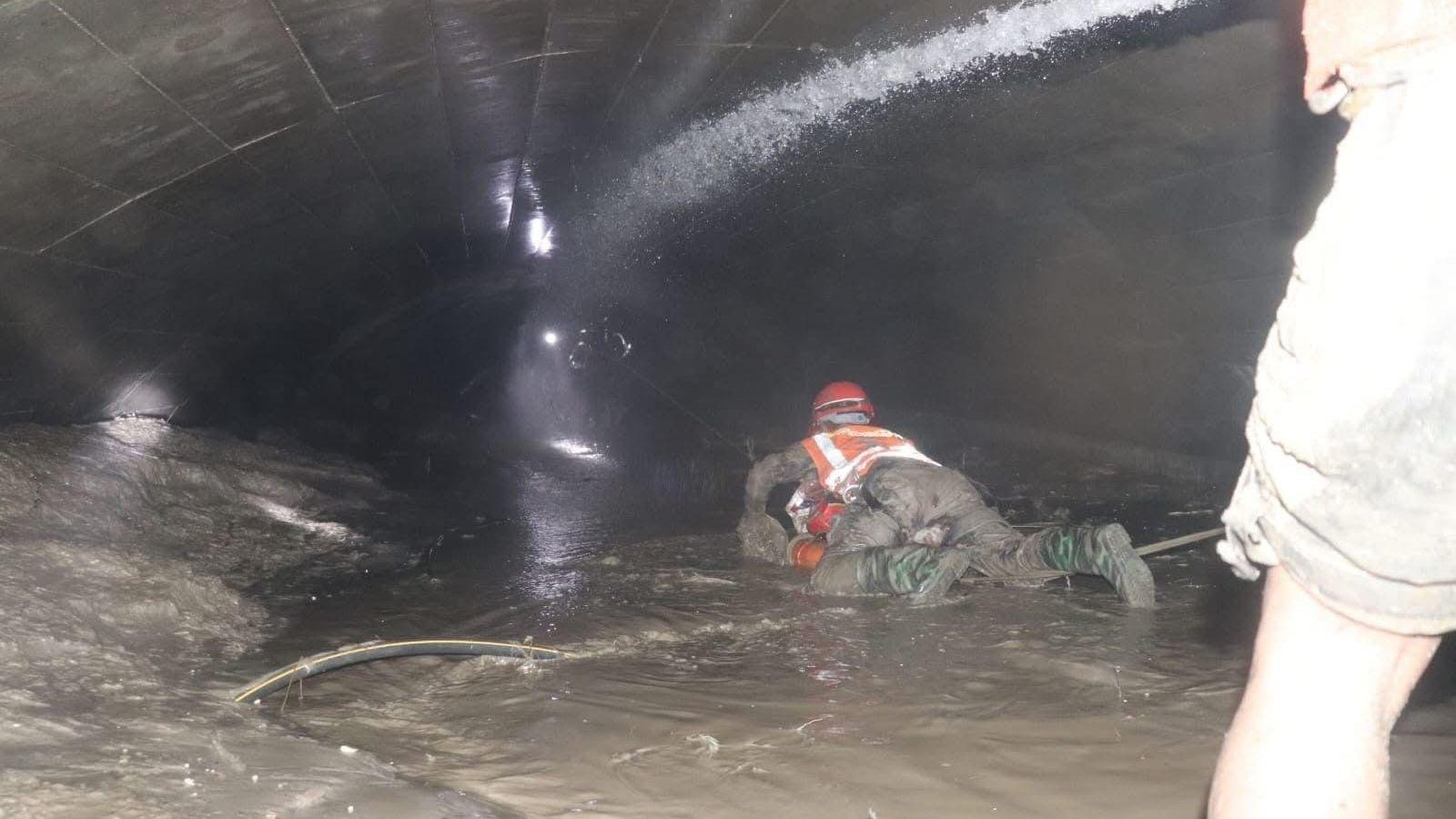
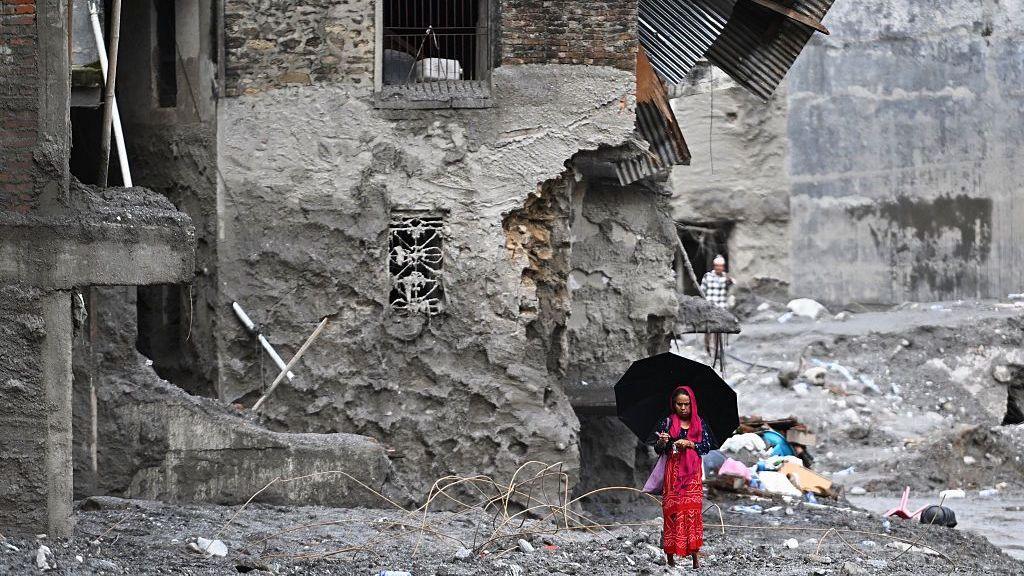
Rescue teams, including a 21‑member Chinese unit, found the area a total ruin, with the meeting spot at Gyirong reduced to debris. The local economy has pivoted for a short time to the neighbouring Tatopani point, now temporarily closed due to landslide risks.
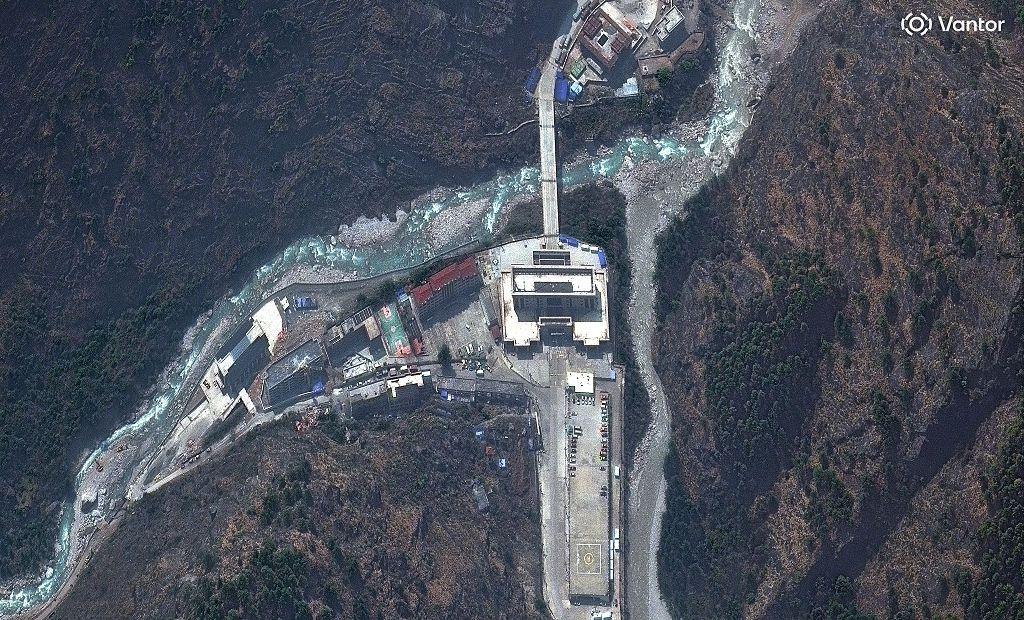
While satellite imagery before and after the disaster provides a stark comparison, the passage of time makes it difficult to reconstruct the precise movements of travelers on the morning of the flood. Some estimates suggest 300–400 people were waiting to enter China, while others had already cleared immigration and were heading toward the bridge.
Climatic experts warn that such extreme events could become more frequent with rising temperatures, stressing the need for early warning systems and robust disaster preparedness across the region.