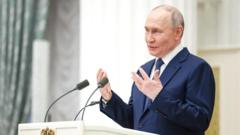
Russia and Ukraine have agreed to a truce for Orthodox Easter, with Vladimir Putin stating he has ordered Russian troops to cease fire in all directions for the duration of the holiday weekend.
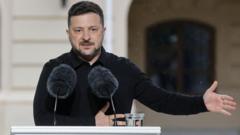
The declaration from Moscow came after Ukrainian President Volodymyr Zelensky's repeated calls for a ceasefire, which had previously been ignored by the Kremlin. Putin has declared the truce to be in effect from 16:00 local time on Saturday, April 11, through Easter Sunday, adding that he expects Ukraine to follow the example set by Russia.
However, the Russian leadership's tone and their attempt to assert initiative may provoke resentment among Ukrainians. Zelensky responded on social media, expressing readiness for symmetrical steps in a bid for peace. He emphasized that the upcoming Easter should be free from threats and urged Russia to take the opportunity to cease attacks permanently.
“People need an Easter free from threats and real movement toward peace,” he wrote, affirming that Russia could choose not to resume strikes after the holiday.
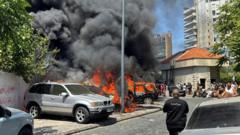
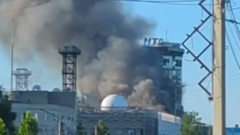
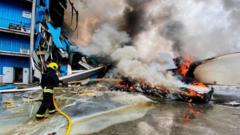
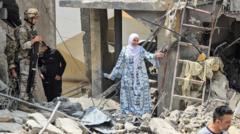
Zelensky had earlier communicated a proposal for a holiday weekend truce to Moscow through the United States, indicating a desire for a pause in hostilities. This sentiment is echoed by both soldiers and civilians in Ukraine, who seek a respite from relentless attacks and missile strikes that have claimed lives and caused injuries in recent days.
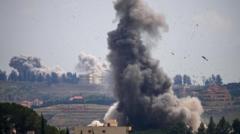
Despite the declared truce, skepticism remains among Ukrainians regarding its enforcement, given a history of similar agreements that have led to further violence. Previously, a claimed energy truce by Russia resulted in only temporary halts in attacks, suggesting that lasting peace remains elusive as both sides continue to prepare for potential confrontations.
If implemented, this truce could provide much-needed relief to soldiers along the front lines and allow civilians a momentary peace amidst ongoing conflict.