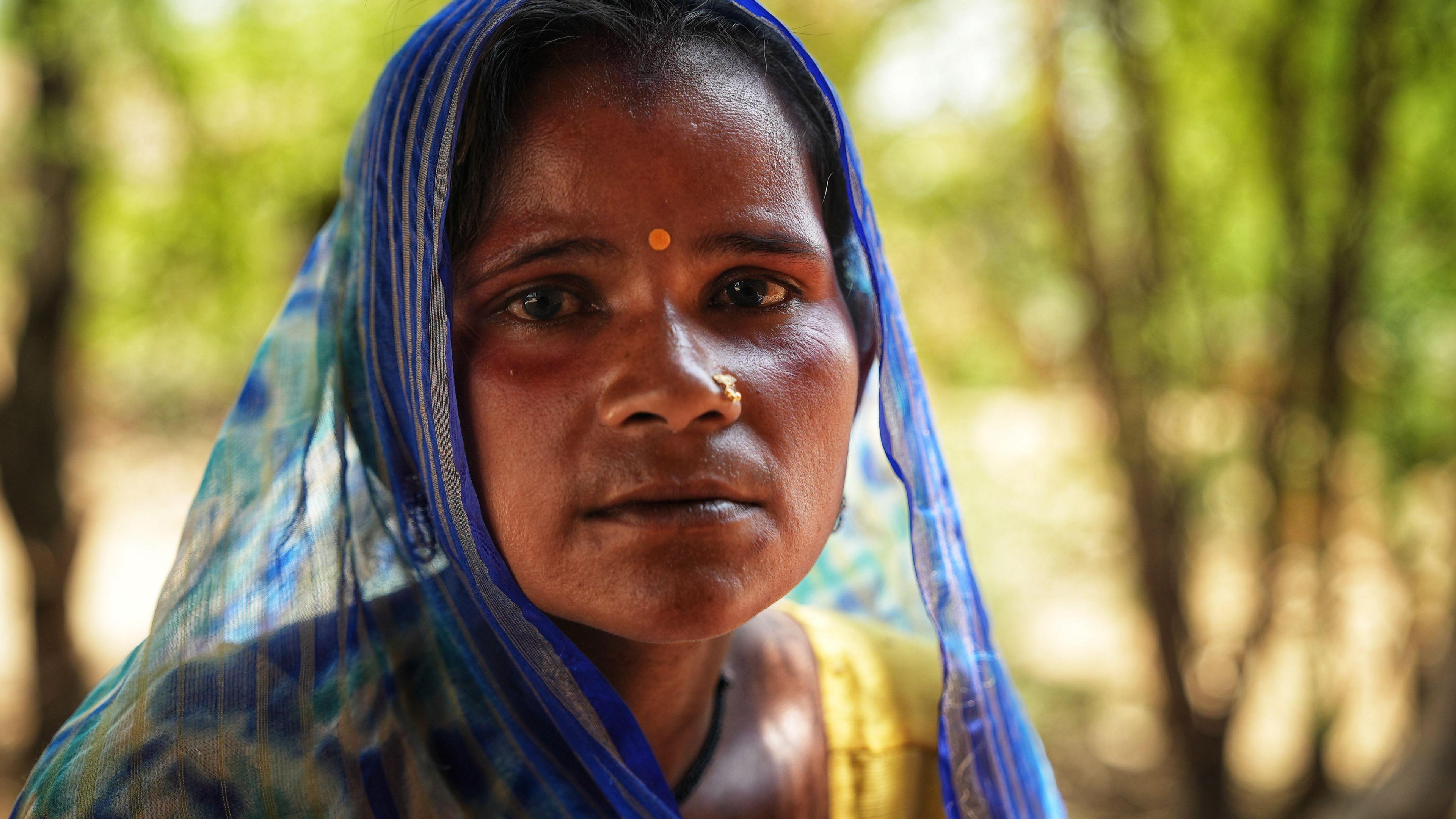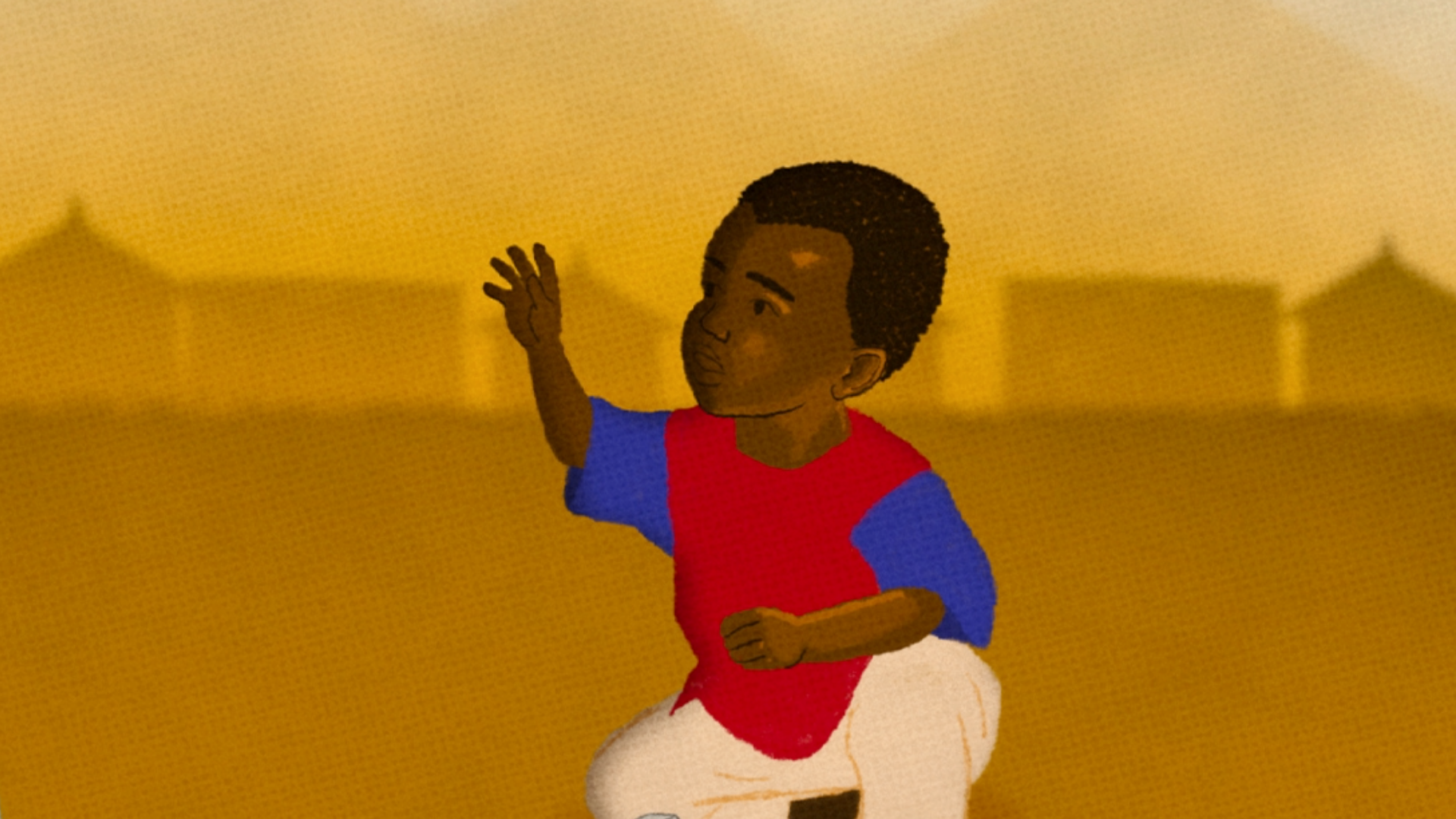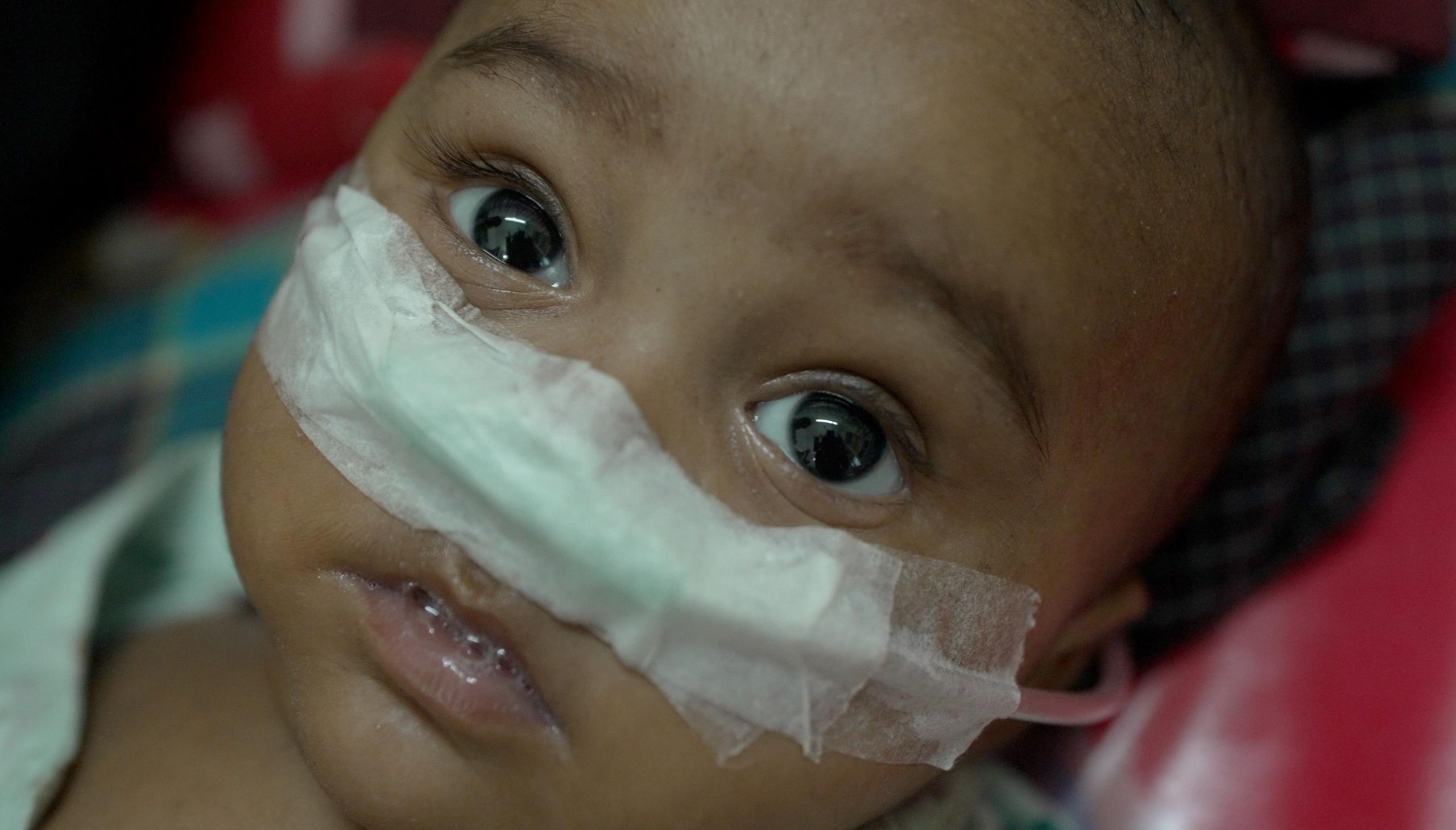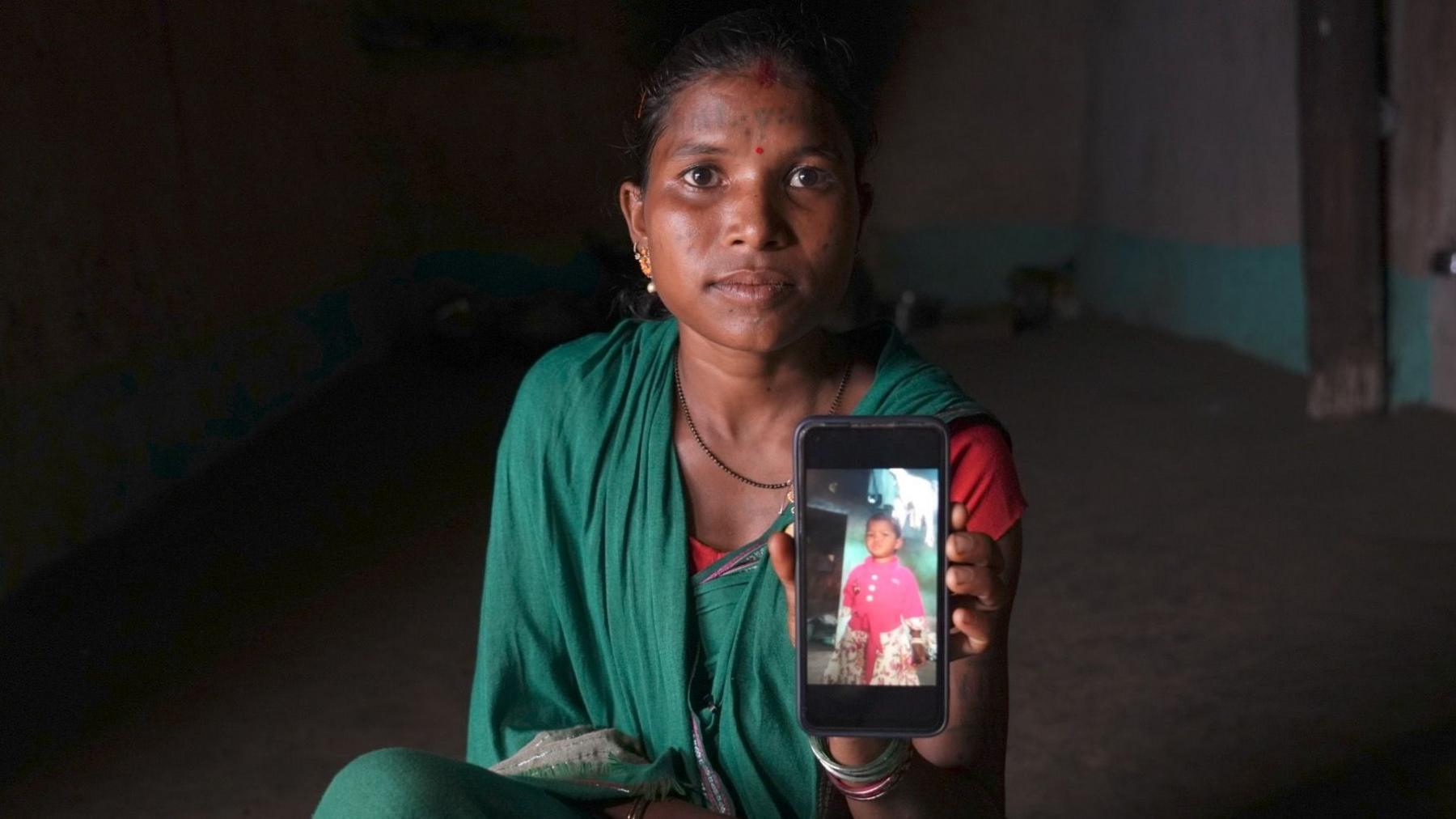
When Bamita Markam, a three‑year‑old girl, began convulsing at 3 am in May, her mother Koushila had already seen her struggle with fever and red sores. A doctor’s ointment and a faith healer’s syrups offered no relief. Bamita died that dawn, a tragedy that would become one of at least 32 child deaths in Balaghat’s remote villages over the next few months.
Officials traced the loss to a cluster of infections – measles, malaria and accompanying malnutrition – amplified by a lack of transportation to health centers. The nearest state hospital in Birsa, 70 km away, was often inaccessible because muddy tracks and lack of vehicles turned a simple 30‑minute journey into a day’s hopeless trek.
The Baiga, one of India’s 75 tribal groups, live in huts of mud and bamboo. Many families rely on seasonal work elsewhere and only have basic utilities such as a single‑bulb solar panel. Despite apparent health infrastructure, many children emerged with weight as low as 5 kg and lacked routine vaccinations.
Cultural beliefs – that the “disease goddess” must be appeased before treatment – delayed medical care. A six‑month‑old was left untreated after a faith healer warned against hospital visits, and families often feared that early treatment would invite the goddess’s wrath.
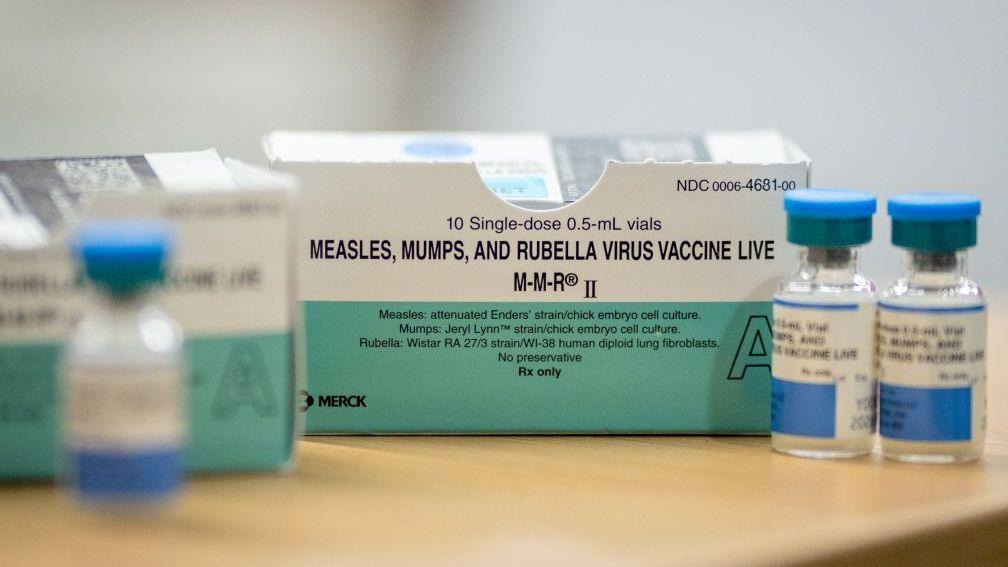
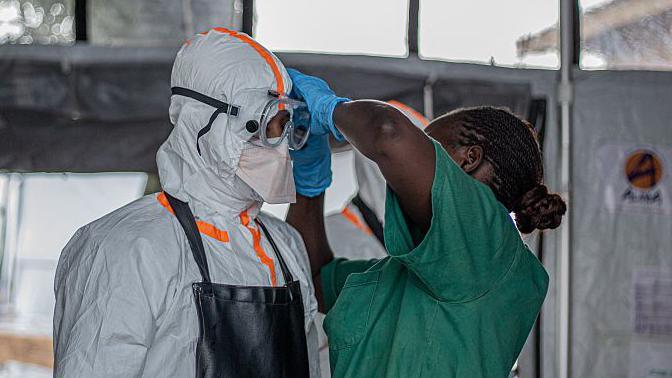
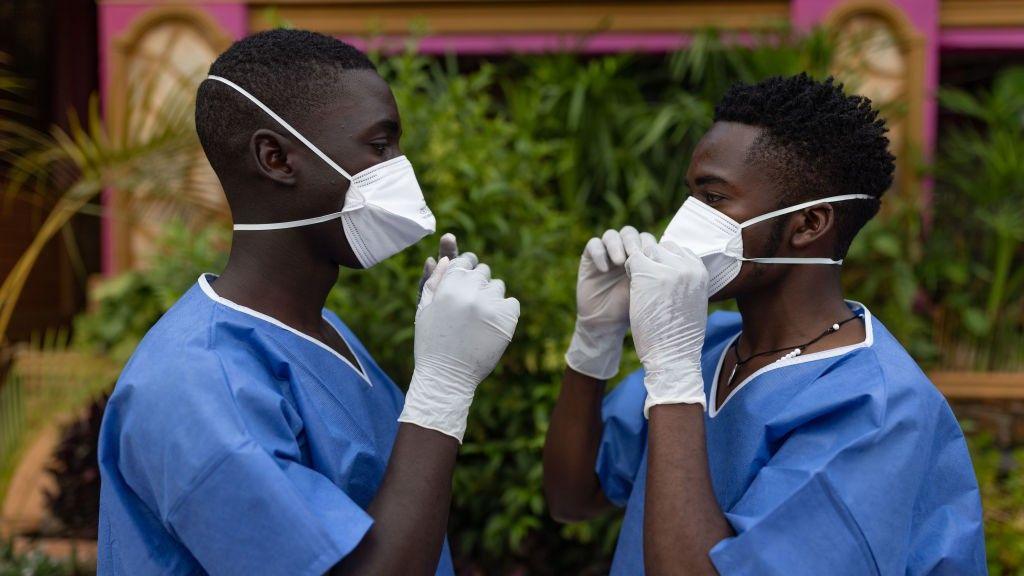
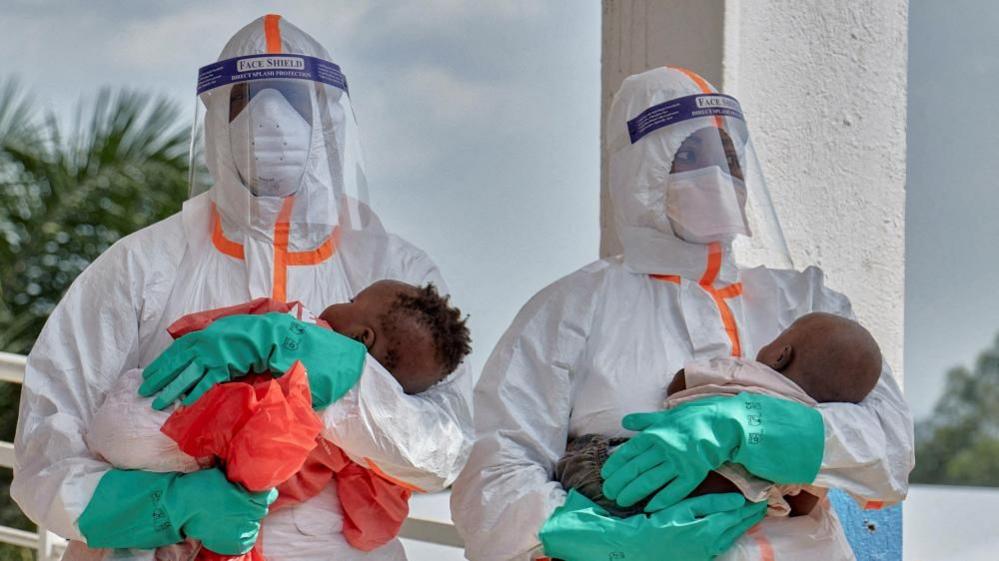
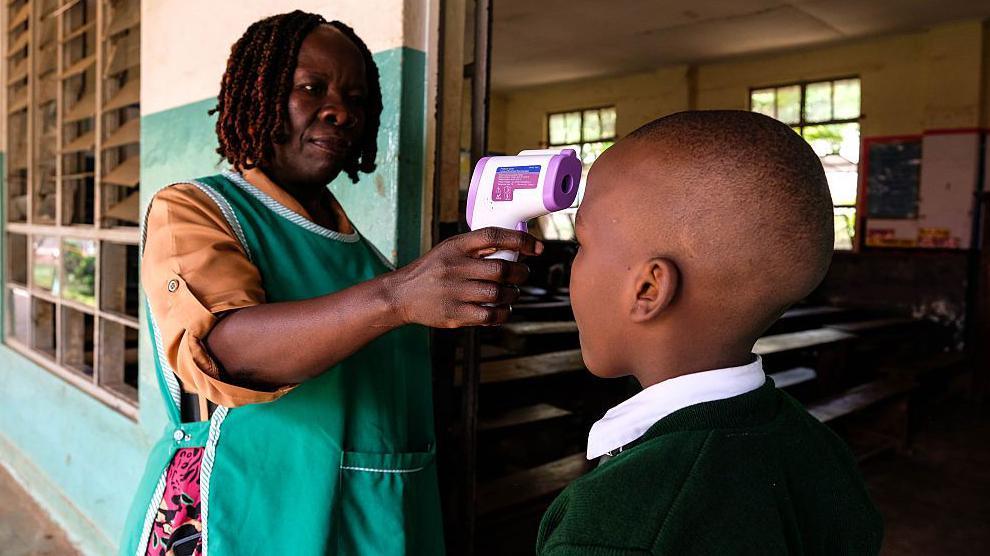
Once the pattern surfaced, health workers marched through the villages with mobile units carrying oxygen, nebulisers, malaria tests and vaccines. They treated over 6,200 patients at home, referred 630 to hospitals and vaccinated 27,000 children under 15 years old, including those lacking official records.
Yet the root causes linger. A Comptroller and Auditor General audit in 2024 exposed “serious irregularities” in the distribution of take‑home rations meant to supplement child diets, with problems in beneficiary identification and delivery. Malnutrition remains a silent partner to infectious disease.
The outbreak finally subsided in late September. The last recorded child death was more than two weeks earlier. Still, community members like Koushila Markam mourn the loss of their children and grapple with the possibility of future outbreaks, reminding authorities that deep‑seated poverty and limited health education must be addressed before such tragedies reoccur.