In brief
Rising temperatures in India’s Bundelkhand region are turning a long‑standing caste‑based water divide into a daily survival crisis. Residents from Dalit communities like Mamta find part of their day consumed by meters and handpumps that oftentimes refuse them access. Local officials deny any discrimination, while NGOs report dozens of caste‑based water‑conflict complaints. Efforts to boost supply—from revived ponds to government piped water—have not erased the entrenched social barriers. As climate change intensifies droughts, this violation of basic rights is becoming a glaring global human‑rights concern.
Heat and History: A Daily Fight for Water
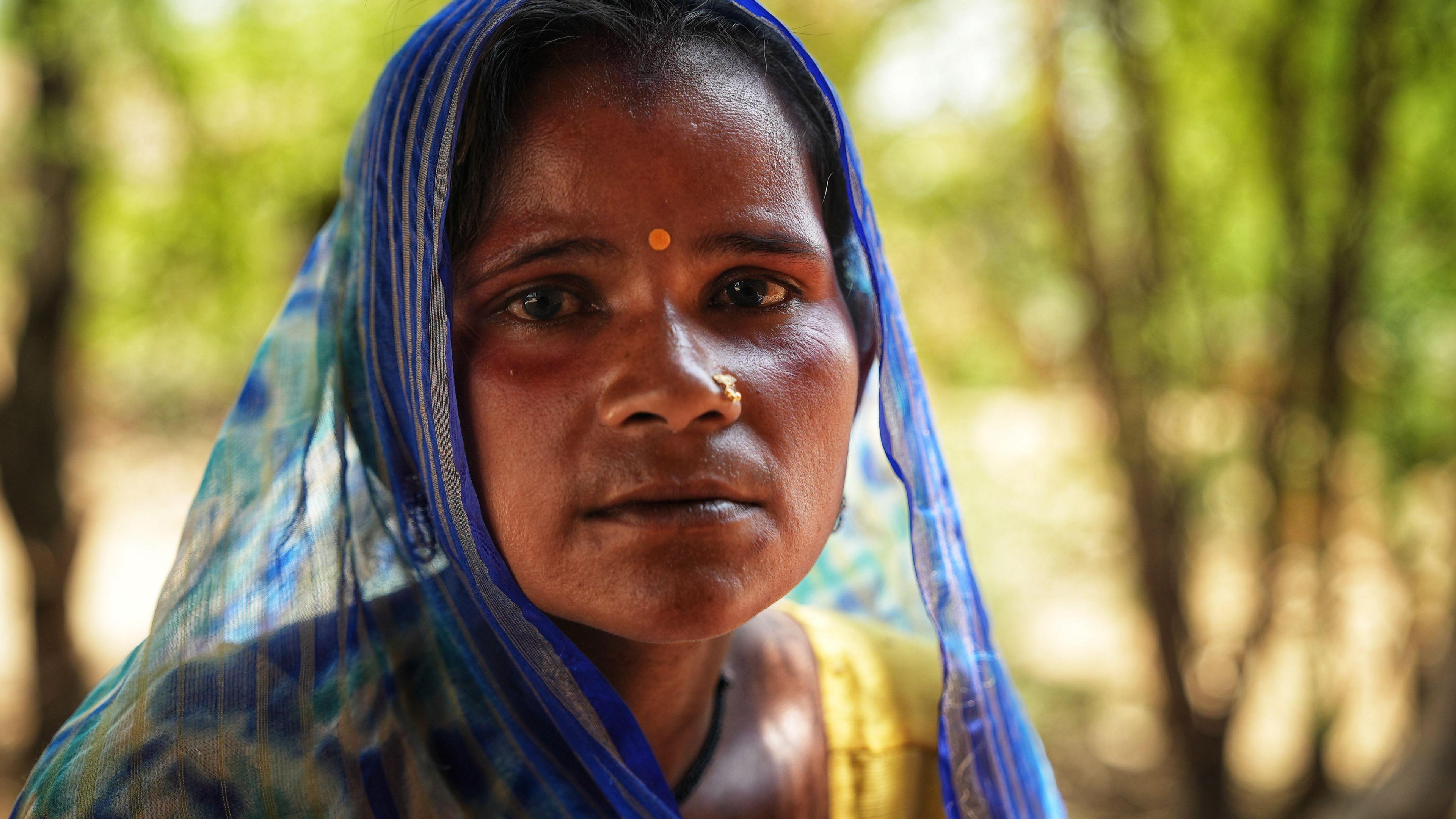
In the scorching, arid plains of Bundelkhand, a 40‑year‑old woman named Mamta starts her day at dawn, carrying three empty plastic buckets to one of the village’s few functioning handpumps. The temperature in her area often peaks above 40°C, turning a simple water collection trip into a near‑endurance test.
The village’s single tap under a government drinking‑water scheme has been dry for two years, leaving over 1,000 residents to rely on handpumps. In recent mornings, Mamta reported that water levels could be filled only by waiting for dominant‑caste families to finish; if the pump was occupied, she was barred from filling her buckets. Some caste‑dominant villagers reportedly poured water over the pump to “cleanse” it, a practice Mamta claims has occurred for decades.
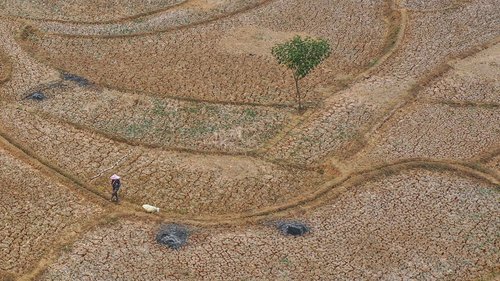
Bundelkhand’s geography traps water: rocky soils with minimal groundwater storage, erratic rainfall, and rising temperatures make reliable village water scarce. A century‑long climate dataset points to warming across most of the region, with extreme heat approaching 48°C in the hottest months.
Water scarcity has sharpened pre‑existing caste tensions. Local officials have denied any discrimination, but multiple NGOs and community witnesses have filed police complaints. For example, Kadhi Dhaval Singh recorded 113 caste‑based water‑violence cases in 2025, with many involving Dalit families refusing service at handpumps.
“Conflict over water is not new,” says Mitashi Singh of the Centre for Science and Environment. “But hotter summers make scarcity worse and sharpen colonial inequalities.” The District Magistrate’s office has denied the allegations, citing the Jal Jeevan Mission and other water‑recovery programmes.
Women’s groups called Jal Sahelis promote conservation and monitor water flow in villages, but the social hierarchy still determines who can draw at the pumps. Even as government and community efforts revive ponds and build check dams, caste remains the gatekeeper to fresh water.
If climate change simply amplifies wrongs rather than creating them, then merely pumping more water won’t solve the problem. The inequality embedded in water access persists, and until that hierarchy is addressed, the region’s future will remain a hotbed of conflict.
The image below shows Mamta’s modest home, whose dusty surrounding illustrates the harsh reality of Bundelkhand’s summer.