In brief
In May, the World Health Organization declared the Democratic Republic of Congo’s Ebola outbreak, but data shows the virus began spreading in February, long before the declaration. With almost 4,300 confirmed cases and close to 2,000 deaths, the outbreak is the second‑worst on record. Factors such as insecurity, misdiagnosis, limited treatment centres, and cultural practices are hampering containment. Only a fraction of cases receive formal care while many deaths occur at home.
At a press conference in Bunia, the WHO Africa director Dr. Mohamed Janabie declared the ongoing Ebola outbreak in the country’s east as “ahead of us.” The virus – the Bundibugyo species – had begun spreading in February, two months before the WHO officially announced it on 15 May.
Since the declaration, the Democratic Republic of Congo’s health ministry has reported 4,294 confirmed cases and 1,960 deaths, placing the outbreak as the second‑worst in history, after the 2014–2016 West African epidemic.
Insecurity in the region has severely limited access to treatment; just 30 % of cases receive formal care, while an estimated 70 % of people with symptoms die at home. Traditional burial rituals – where mourners touch the dead – and mistrust of health officials have further complicated containment efforts.
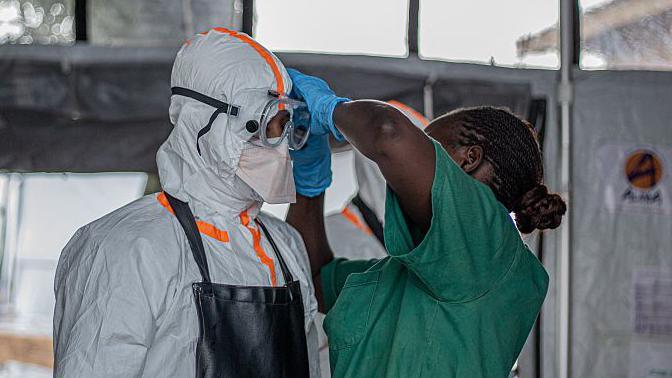
Several dedicated treatment centres have now opened in the east, improving diagnosis speed. However, without an approved vaccine or recognised therapeutic drugs for the Bundibugyo strain, the region remains vulnerable to further spread.
Experts emphasise that timely detection and community engagement are essential to curb the virus’s reach. For more analysis, visit BBCAfrica.com.