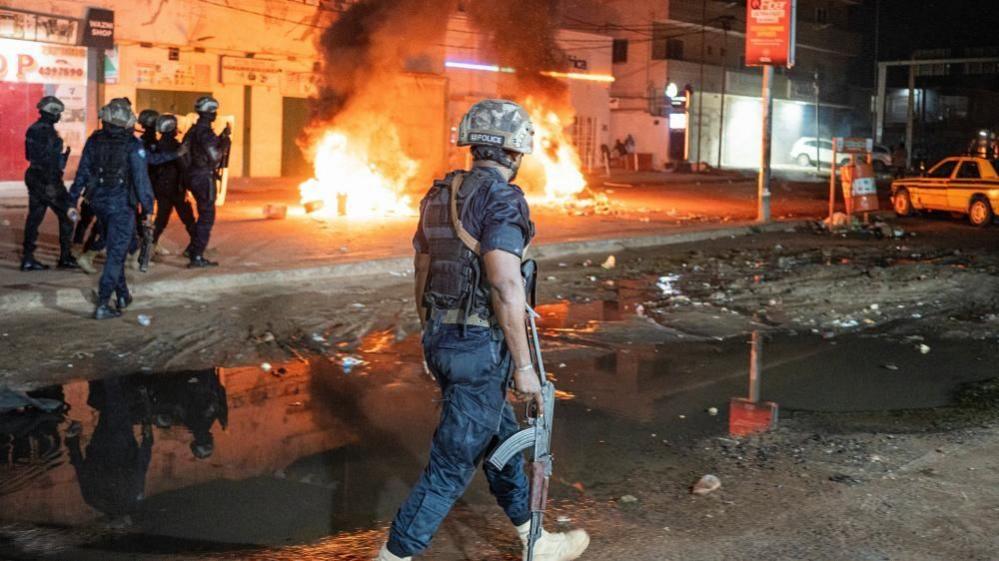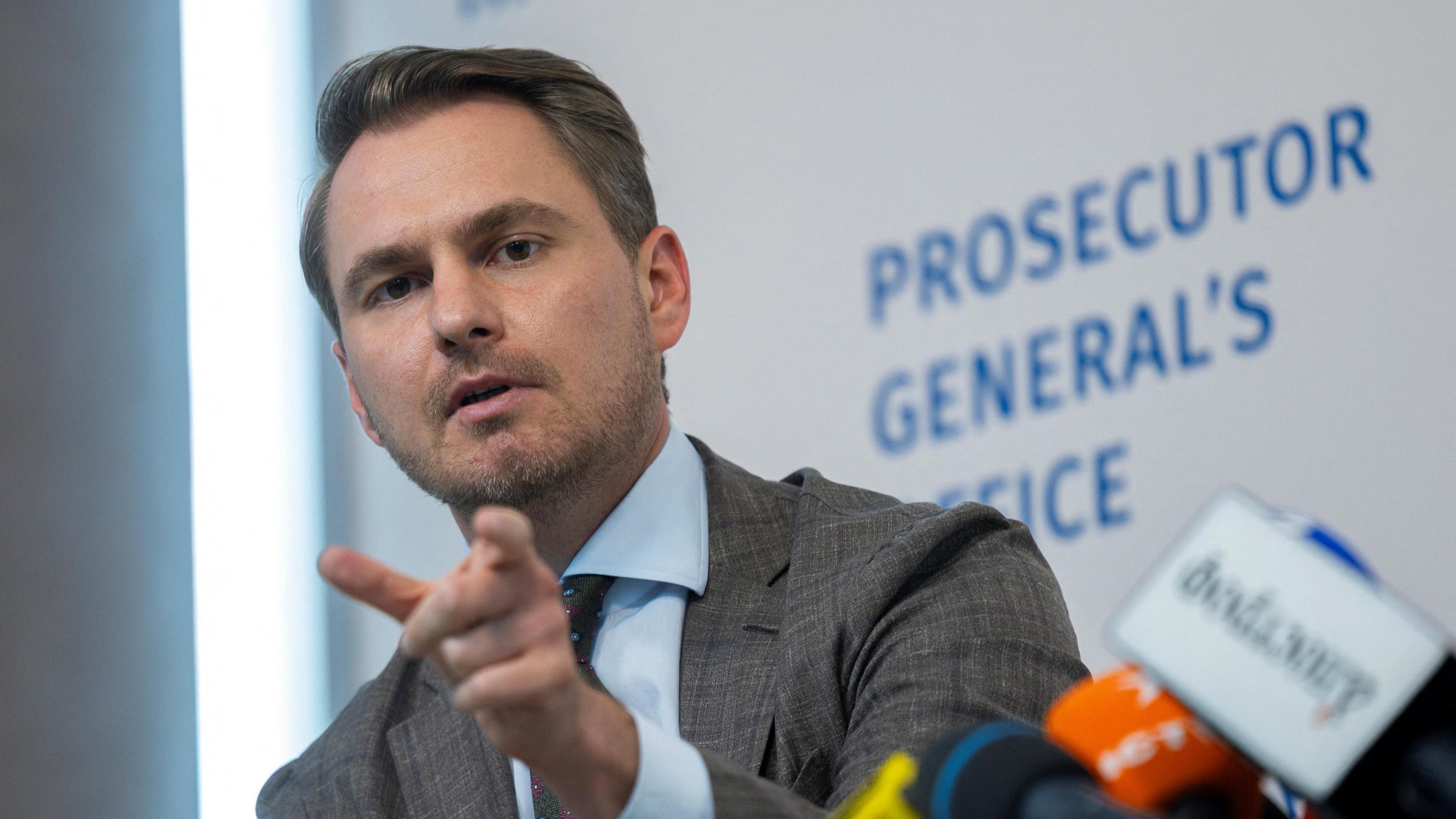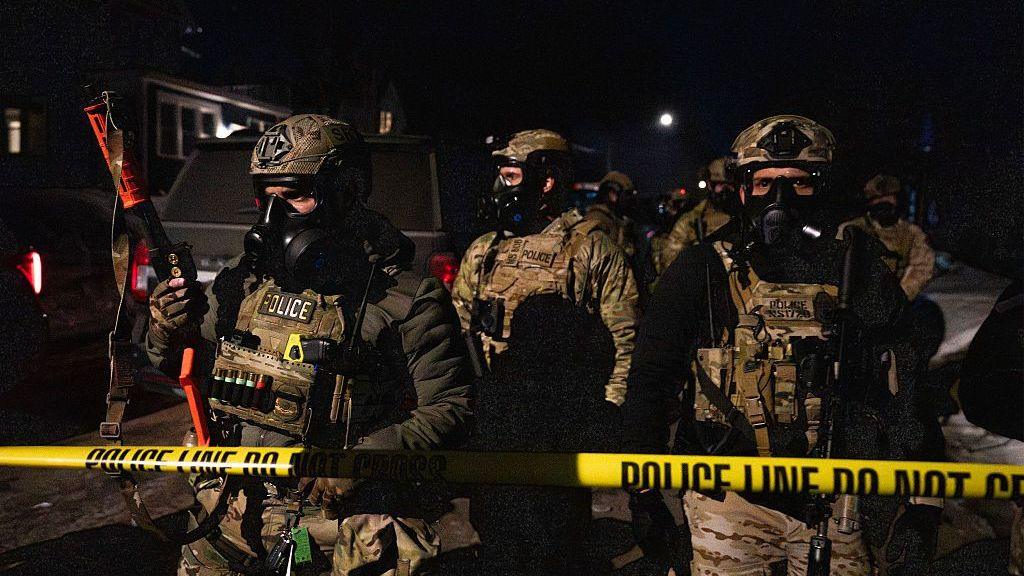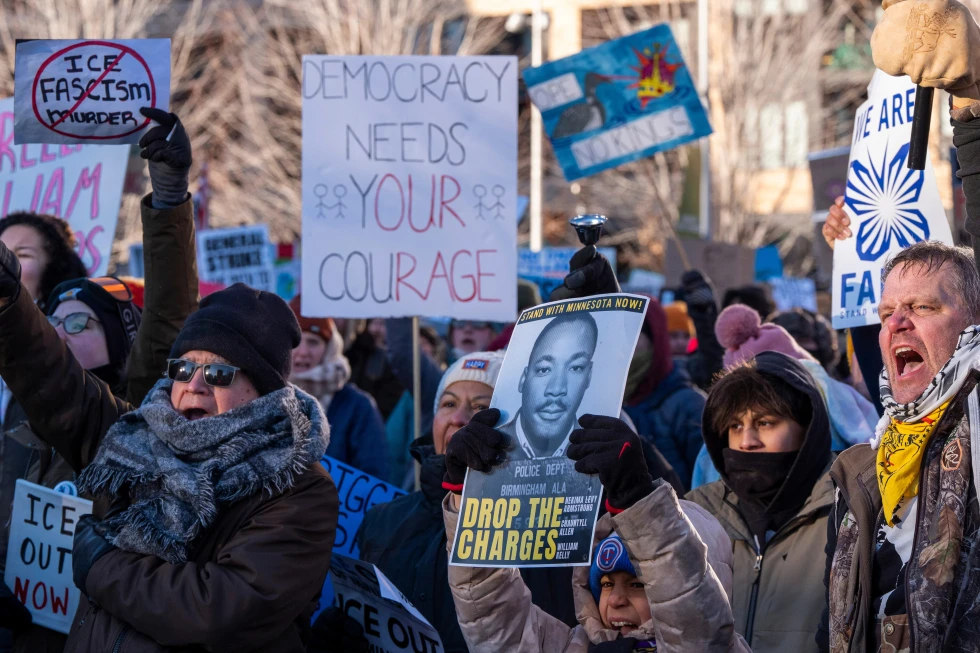
The shooting deaths of white protesters Alex Pretti and Renee Good by federal officers in Minneapolis followed a playbook that is painfully familiar to Black Americans: Authorities quickly moved to disparage the victims, only to be contradicted as more evidence emerged.
Black families who have lost loved ones to police violence said the killings in Minnesota have brought back painful memories of their own fights for justice as law enforcement agencies spun up narratives to suggest officers had no other choice but to kill their relatives.
Timothy Welbeck, the director of the Center for Anti-Racism at Temple University, stated that it took the deaths of Pretti and Good to again spotlight this issue. He remarked, Black people have leveled a critique against law enforcement for as long as we’ve had policing in America.
Welbeck noted the eerie irony that Pretti and Good died in the same city where high-profile cases like that of George Floyd and Philando Castile brought the issue to the forefront.
Leonard Sipes, a former law enforcement official, shared his perspective that authorities should wait before passing judgment, emphasizing the importance of protecting the integrity of investigations.
The families of Pretti and Good have spoken out against the mischaracterization of their loved ones by government officials, calling for the public to hear the truth about the events leading to their deaths. In the face of these painful experiences, activists and advocates express frustration over the repetitive nature of these narratives, highlighting the systemic racism embedded in current policing practices.
In the wake of these fatalities, conversations surrounding justice and equality have soared, urging a nationwide reflection on the treatment of victims of police violence, regardless of their race.