On Friday morning, it was the final classes of the week when a 14‑year‑old opened fire inside Debsirin School in Nonthaburi, Thailand.
He killed five teachers and injured more than 30 people, including fellow pupils. Witnesses say he stalked from room to room, shouting at the teacher who was standing in front of him when the shots rang.
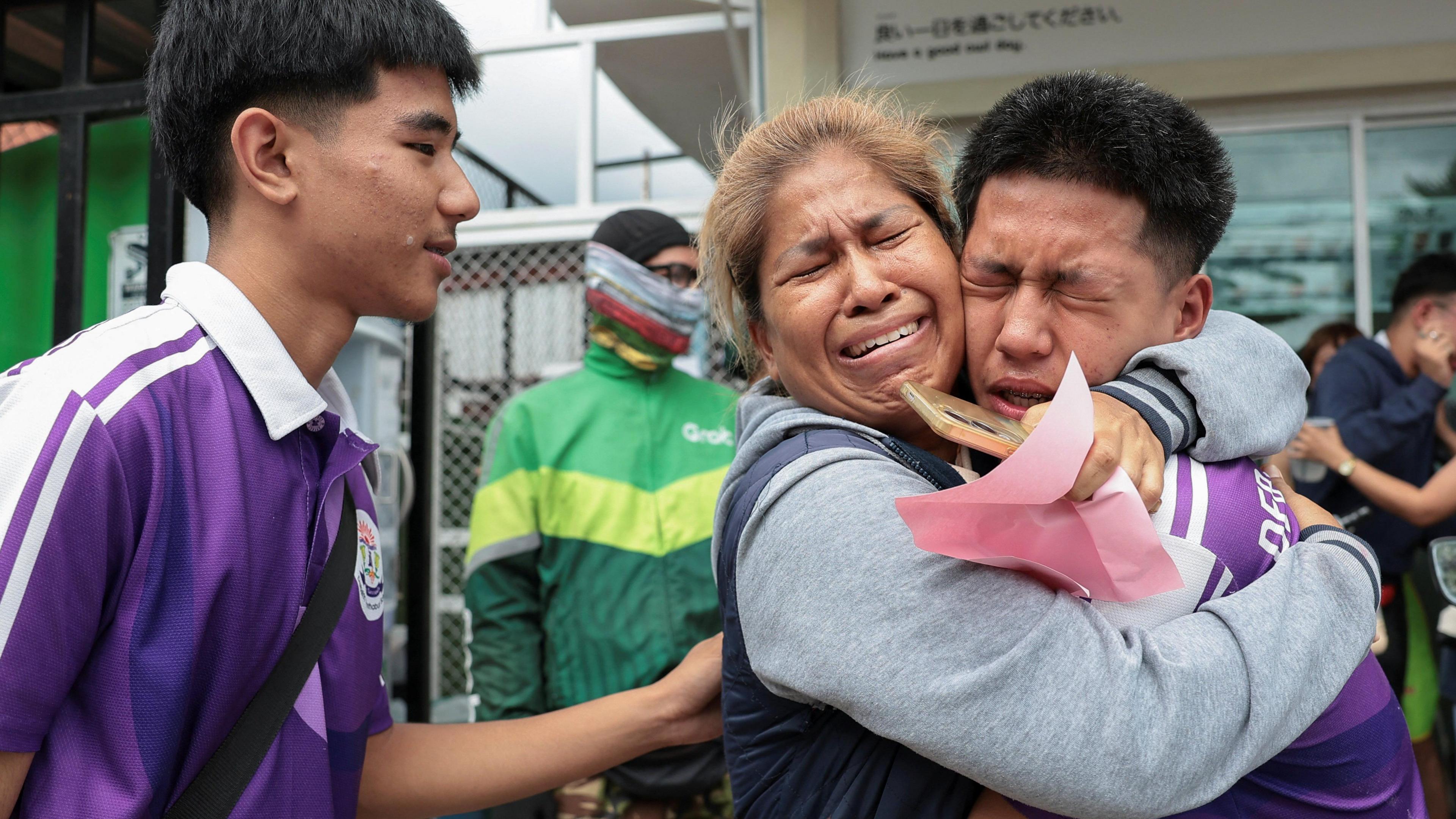
"I thought I might never see you again," a seventh‑grader told the BBC, clutching her mother’s hand as she ran over a fence to escape.
Police confirmed the suspect used a 9mm handgun that likely belonged to his grandfather, and forensic analysis indicated the shots were precisely aimed at vital spots.
The shooter was described by a teacher as a good student with high grades and an avid gamer, and he had reportedly been under strong pressure from his family and educational environment.
Prime Minister Anutin Charnvirakul has warned that prevailing study pressures could be a factor and said the country already has more than seven million guns in the population, over one million of them unlicensed.
The incident has become the most lethal mass shooting in Thailand in recent years and the second in a school this year, prompting renewed calls for stricter gun‑control reforms and a deeper review of the country’s licensing system.
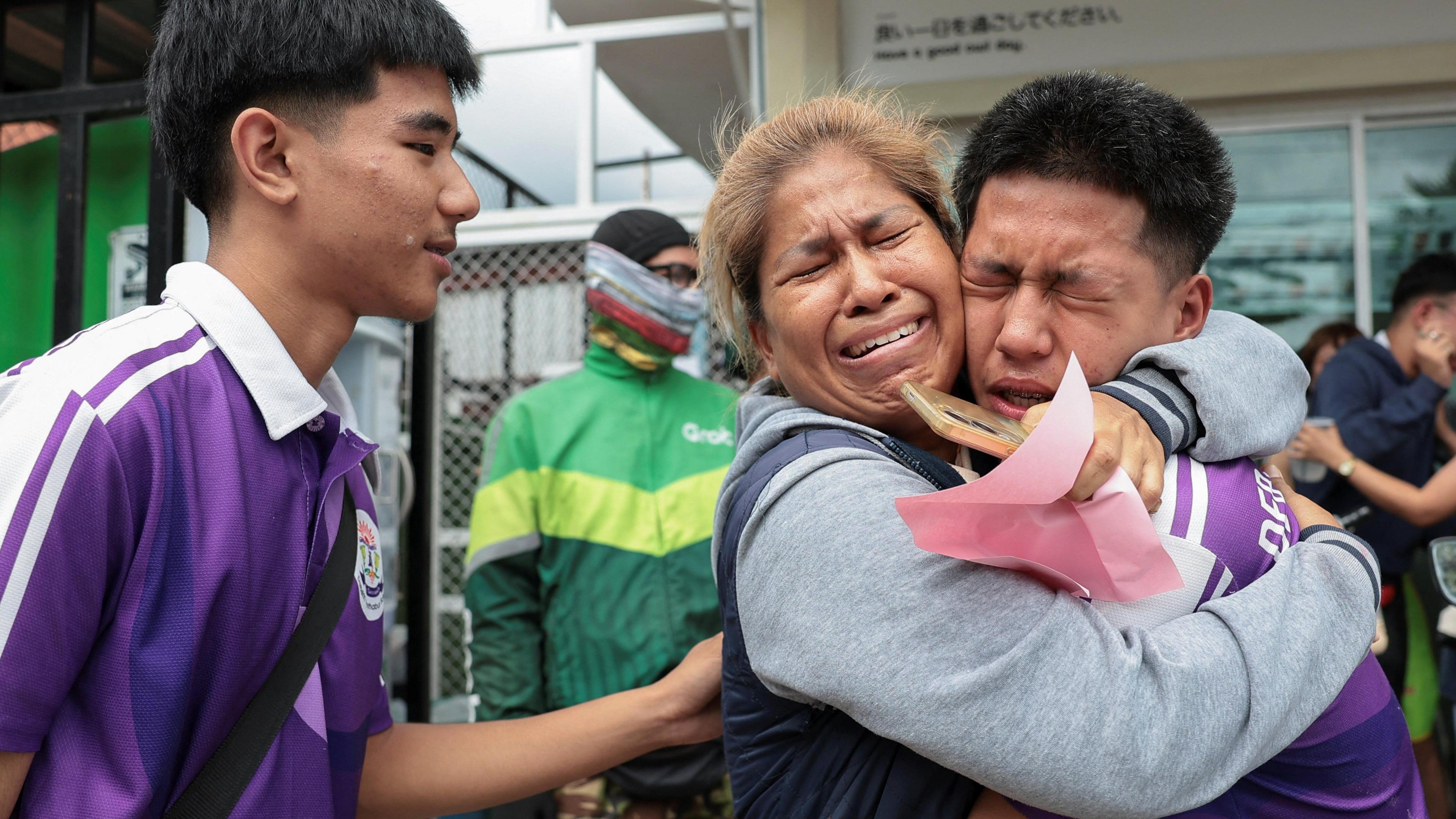
Police are still investigating the motive, and authorities said the shooter’s briefcase was found near a pistols’ storage area. Calls for action are growing, with opposition leaders urging a systematic review of gun‑control laws, which are currently weakly enforced and subject to a thriving black market.
The tragedy highlights the ongoing tension between Thailand’s cultural trust in personal safety and the growing gun‑ownership concerns that threaten public stability. Further investigations will aim to uncover whether deeper systemic issues contribute to such violent incidents.