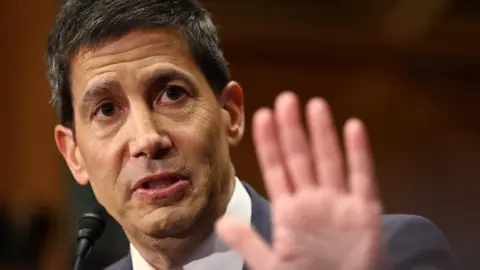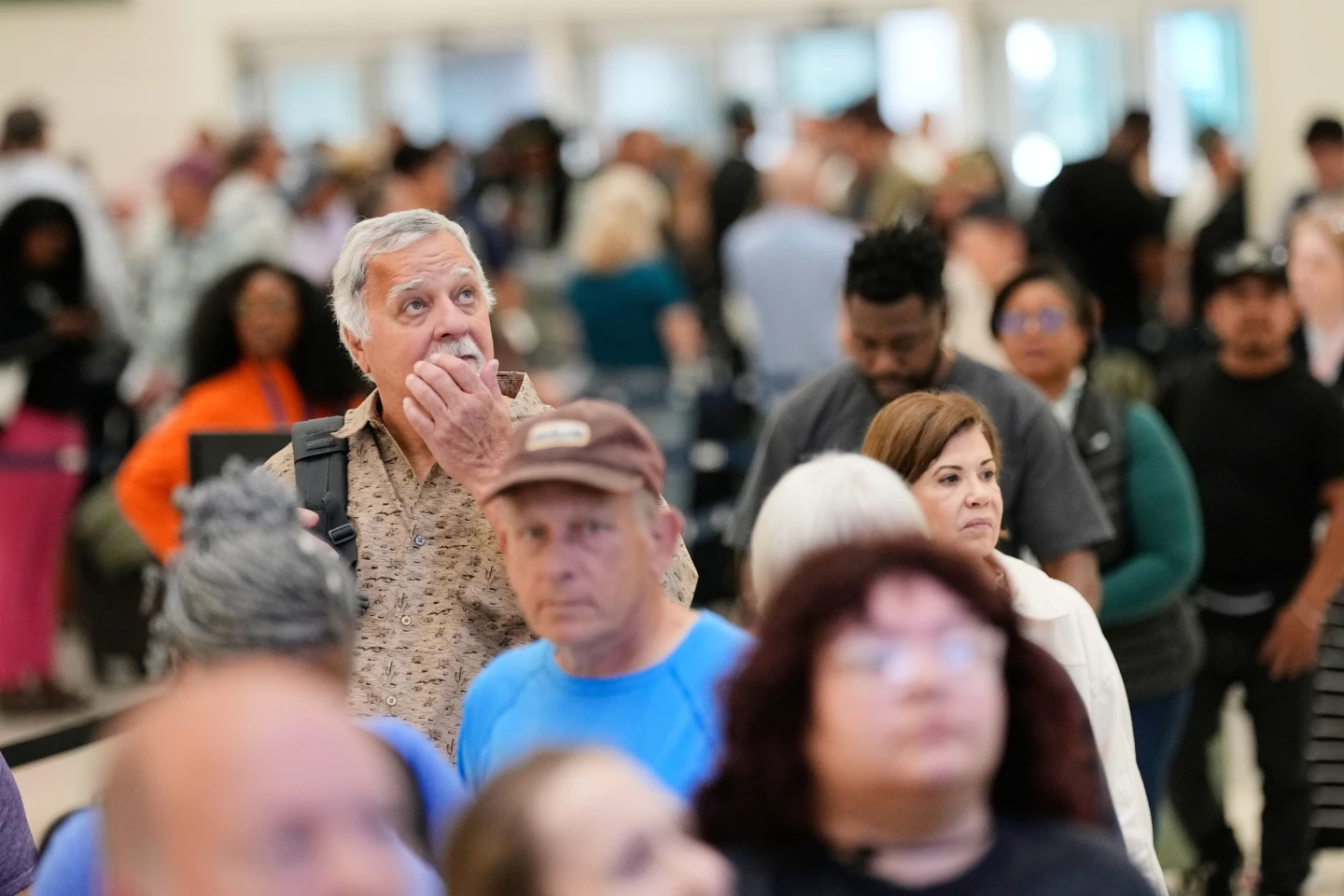
WASHINGTON (AP) — With the government shutdown nearing a critical point, air travelers across the United States are facing some of the longest wait times ever reported at TSA checkpoints. This situation was highlighted in Congress on Wednesday, where acting TSA head Ha Nguyen McNeill outlined the dire effects of the ongoing funding dispute.
McNeill articulated the increasing challenges faced by TSA employees, many of whom have been compelled to seek alternative income sources, such as selling plasma or taking additional jobs, simply to make ends meet. She emphasized the pressing need for lawmakers to act swiftly to alleviate this situation, stating, “This is a dire situation.”
On the 40th day of the Department of Homeland Security funding standoff, political gridlock persists. Republican senators have proposed offers that seek to end the current impasse, while Democrats demand substantial changes in immigration enforcement practices, particularly in relation to actions taken by ICE.
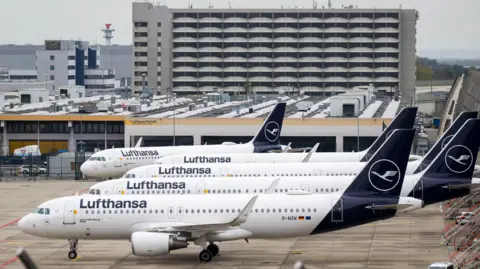
The TSA has seen a remarkable increase in the callout rates of its workforce, with reports indicating over 40% of staff have been absent, and quit rates have increased significantly during the shutdown. The result has been extreme consequences for travelers, with reports of extensive lines forming at airports, including one account involving waits of four hours or more at some locations.
“Some are sleeping in their cars, selling blood and plasma, and taking on second jobs to make ends meet, all while being expected to perform at the highest level when in uniform to protect the traveling public,” she noted, highlighting how the ongoing situation exacerbates risks to airport security.
As airport staff contend with heightened strain, McNeill indicated that reports of assaults on TSA employees have surged by over 500% since the shutdown began. This increase in violence raises severe concerns about workplace safety and the overall operational capacity of the TSA.
With continued impasse in Congress, there's growing urgency for a resolution. Leaders from both Republican and Democratic sides express the need for swift action before the conditions worsen, risking passenger safety and operational integrity of the nation’s transportation systems.
As the funding standoff continues, the implications grow clearer: unless resolved, these escalating wait times and safety concerns may persist, affecting millions of air travelers.