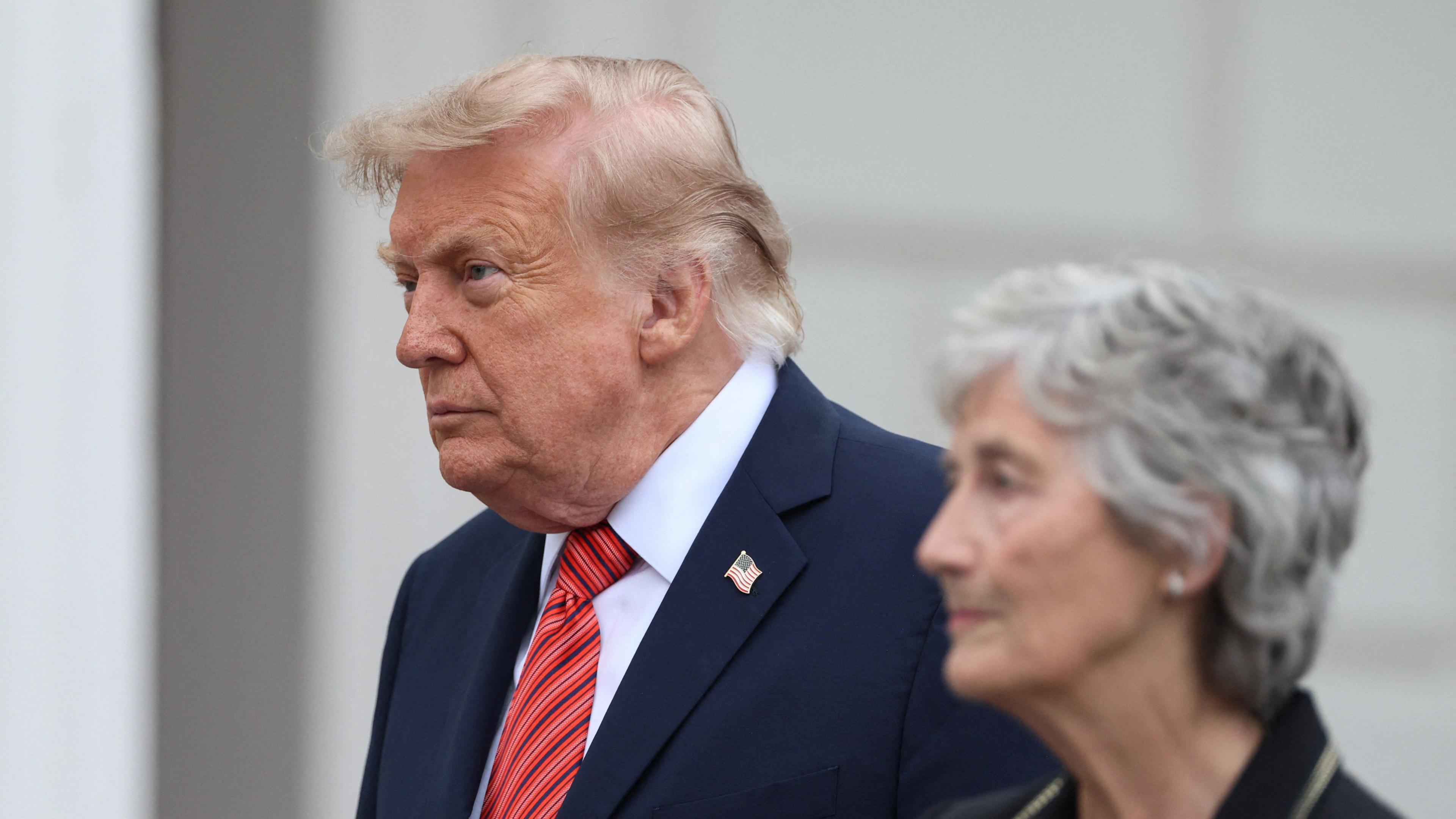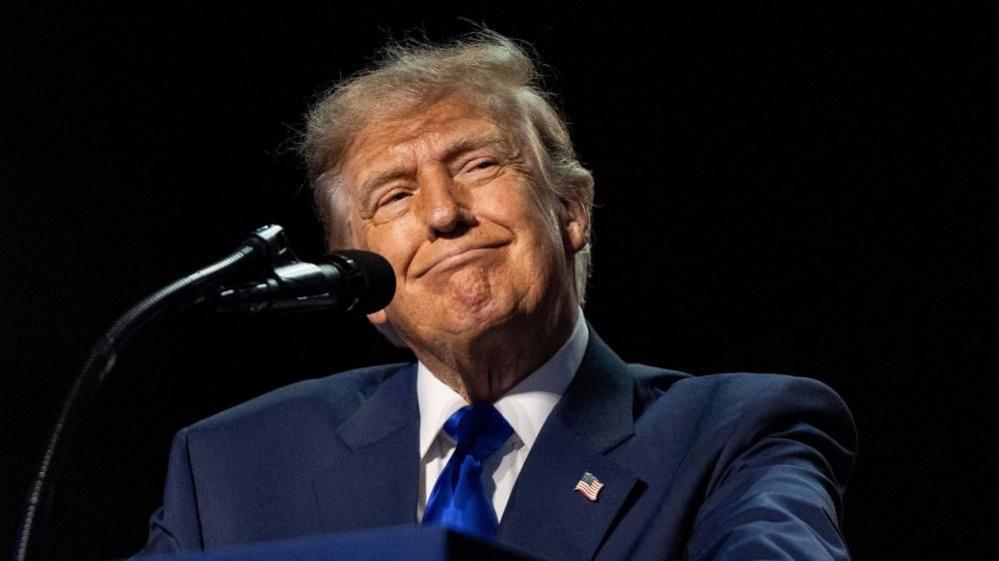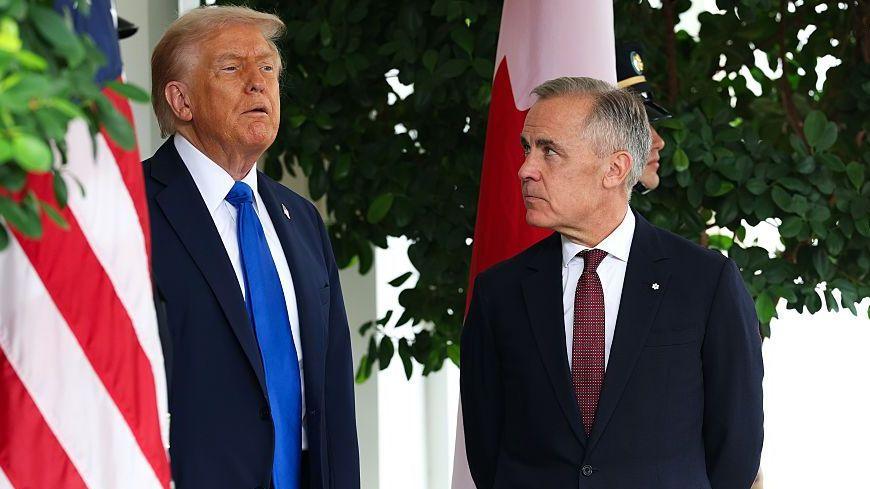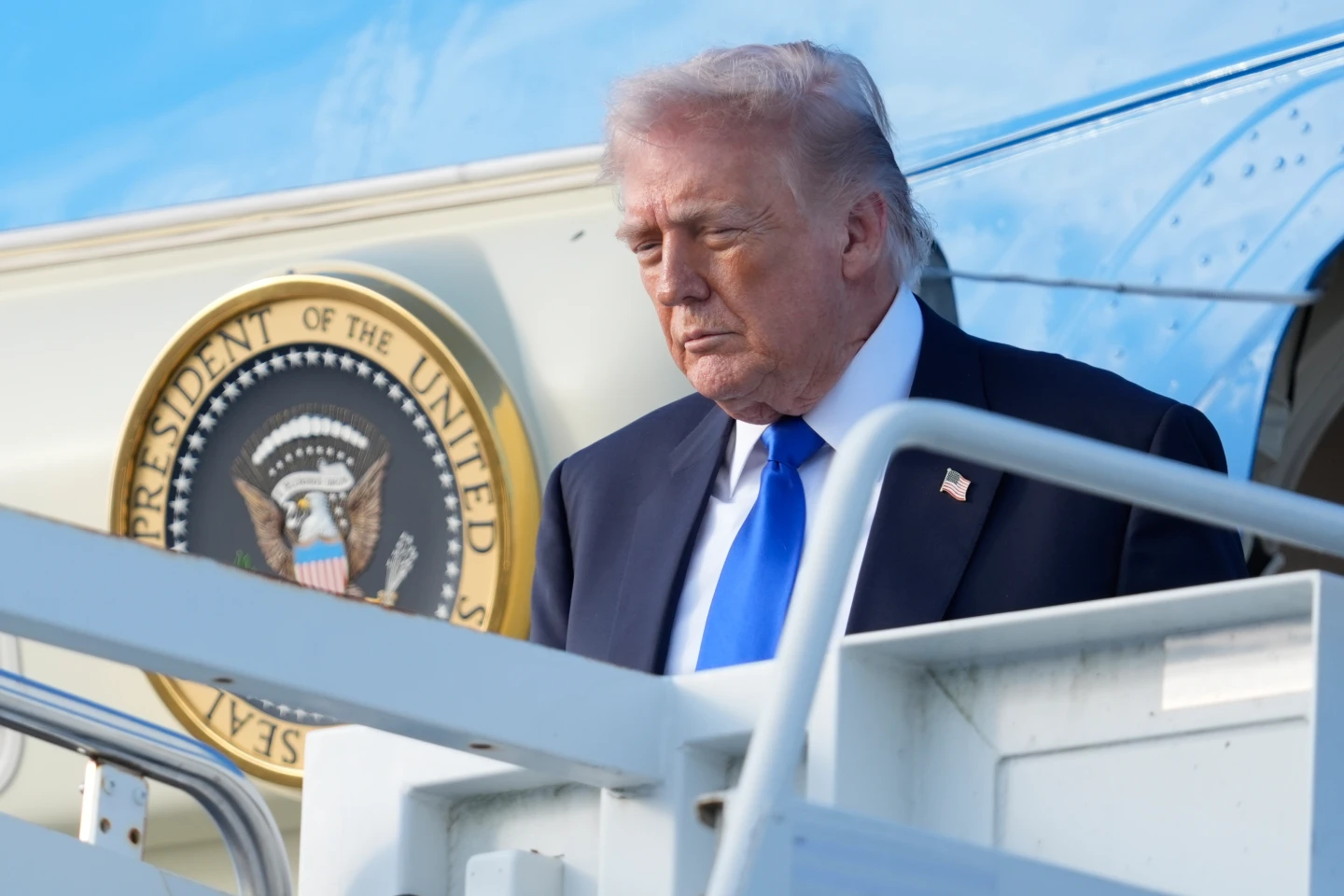
Donald Trump’s anticipated attendance at the annual White House Correspondents’ Association (WHCA) dinner in Washington this Saturday will showcase the often-contentious relationship between the president and the press. This marks his first appearance as president at the gathering of reporters who cover his administration.
Traditionally, such events see past presidents discussing the importance of free speech and the First Amendment alongside light-hearted roasts directed at individual journalists. Trump, however, skipped the dinner during his first term and the first year of his second. Previously, he attended as a guest in 2011, where he was the target of jokes from President Barack Obama, and again in 2015.
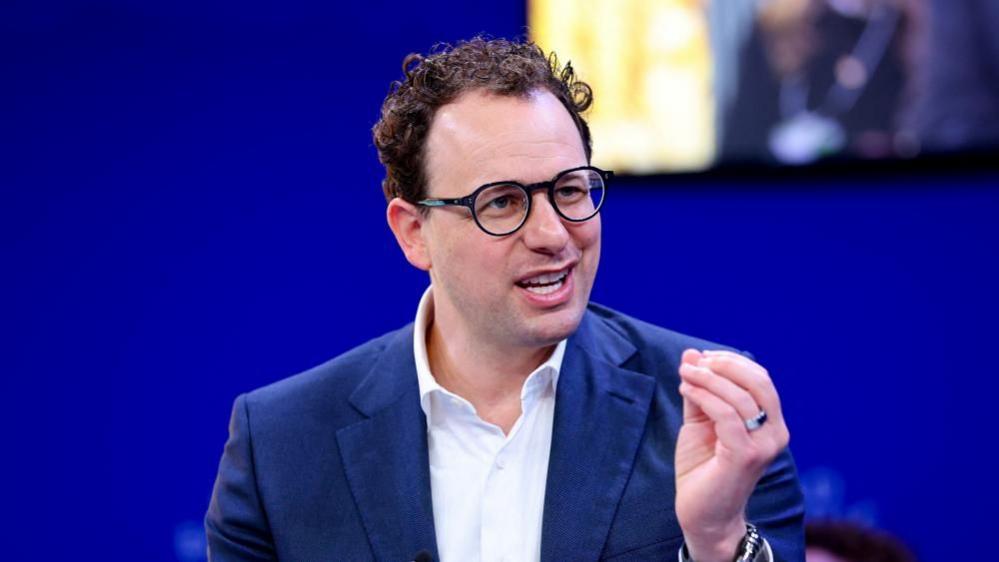
This year, the dinner features mentalist Oz Pearlman as the entertainment. Trump’s presence rekindles a debate regarding whether it is appropriate for journalists to socialize with their subjects, a concern that has divided news organizations; for instance, The New York Times stopped attending the dinner more than a decade ago.
Kelly McBride, an ethics expert at the Poynter Institute, criticized the event, stating, What was once a well-intended night of fundraising and camaraderie among professional adversaries is now simply a bad look.
Trump's administration's antagonism towards journalists has been evident throughout his second term, which has included berating individual reporters and restricting media access to major governmental institutions, all contributing to the strained rapport.
On the eve of the dinner, nearly 500 retired journalists signed a petition urging the WHCA to oppose Trump's efforts to undermine press freedoms. Weijia Jiang, WHCA president, reaffirmed the event's significance in celebrating First Amendment rights, emphasizing that gathering as journalists and government figures serves to remind the public of the critical role a free press plays in democracy.
Some news outlets, including the AP, use the dinner as an opportunity to strengthen relationships with sources, inviting individuals who have previously held positions in the administration. Engagements like this may benefit reporters by enhancing their access to information and facilitating future communications.
As the WHCA prepares to hand out awards for notable journalism — including works that have drawn the ire of Trump — the dinner will be closely watched to see what it reveals about presidential-journalist dynamics in today’s political climate.