In brief
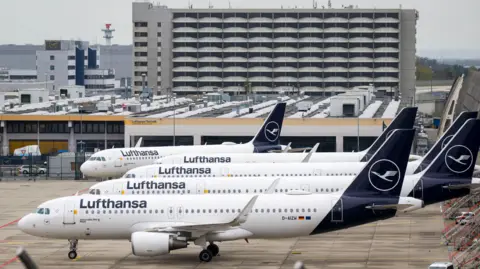
In a bid to adapt to soaring fuel prices linked to geopolitical tensions, Lufthansa will cut 20,000 short-haul flights this summer. The airline cites unprofitability as a reason for the changes, alongside the doubling of jet fuel prices amid disruptions in oil production and transport from the Middle East. This reduction in service sets a precedent for potential future cuts in the airline's European network, as travelers brace for the financial impact in terms of rising ticket prices and possible cancellations.
German airline Lufthansa is set to cut 20,000 European short-haul flights over the summer due to soaring fuel prices, identifying many journeys as unprofitable. The steep rise in jet fuel prices, which have doubled since the onset of the US-Israel conflict with Iran, is severely impacting the airline's viability in operating certain routes.
Other airlines, including KLM-France and Delta, are likewise reducing flight numbers and increasing ticket fares to align with rising operational costs. Analysts have indicated that passengers should expect further price hikes and additional flight cancellations in the weeks to come as the conflicts affecting fuel supply persist.
The Gulf region is a crucial source of aviation fuel, supplying approximately 50% of Europe's imports. Events in the region, particularly the recent geopolitical tensions, have significantly disrupted production and transportation through critical routes such as the Strait of Hormuz.
As part of its strategic adjustments, Lufthansa expects to save about 40,000 metric tons of jet fuel through these cuts, primarily from its CityLine service. Affected routes will include several smaller cities like Heringsdorf, Cork, Gdańsk, and more, with arrangements for refunds or alternative travel options being offered to impacted customers.
Lufthansa's review of its European schedule suggests that some reductions might become permanent. As the airline industry grapples with these challenges, the International Energy Agency has raised concerns about potential jet fuel shortages in Europe, further prompting the European Union to monitor fuel production and supply closely in an effort to alleviate pressures on the aviation sector.