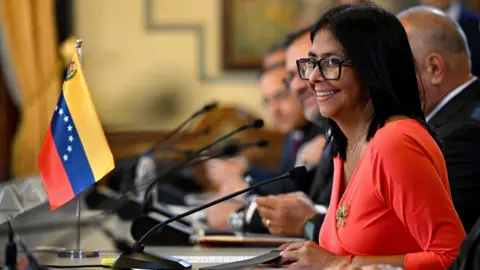
Human rights groups in Venezuela have criticized interim President Delcy Rodríguez for saying a scheme to release political prisoners was coming to an end, having been in place for just nine weeks. Nearly 500 political prisoners have been released under the amnesty law brought in by the country's National Assembly, according to prisoner rights group Foro Penal, but many more are thought to still be in jail. The group stated that Rodríguez lacked the authority to end the releases, while watchdog Provea called the move arbitrary and unconstitutional.
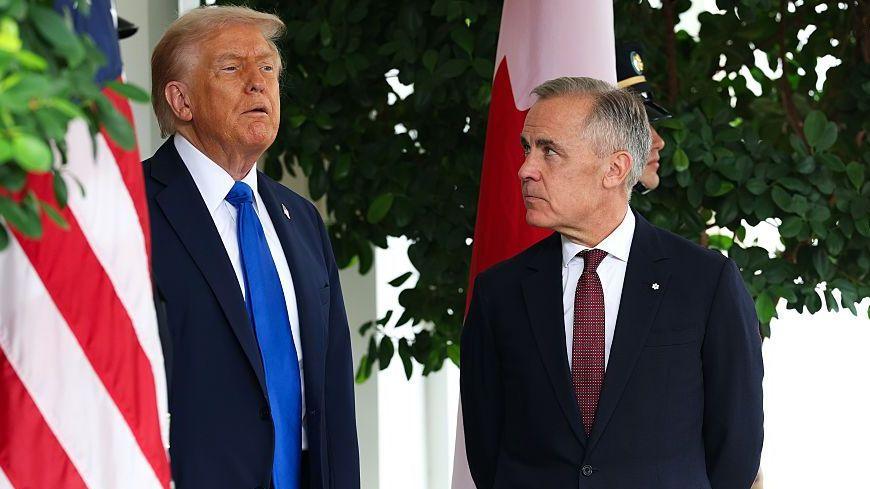
Despite being a lieutenant of former President Nicolás Maduro, Rodríguez has maintained support from U.S. forces since their intervention to remove Maduro in January. U.S. President Donald Trump has even endorsed Rodríguez over opposition leader María Corina Machado, with the release of political prisoners being a critical concession to the U.S. by the interim administration.
Initially, President of the National Assembly Jorge Rodríguez, Delcy's brother, announced the law, with 1,557 political prisoners applying for amnesty and forecasts suggesting it could eventually cover as many as 11,000 individuals. Foro Penal reported that by April 20, 473 deemed political prisoners were released, yet over 500 are believed to remain incarcerated.
In a meeting among justice officials in Caracas, Delcy Rodríguez claimed that 8,616 individuals had benefited from the amnesty law, touting it as very successful. However, she added that cases unaddressed by the law could be dealt with through other avenues.
Foro Penal vice-president Gonzalo Himiob indicated that only another legislative act or referendum could revoke the law, which he highlighted has no expiration date. He pointed out that the justice system, entrenched in the repressive framework that necessitated the amnesty, neither had the willingness nor the capacity to genuinely apply it.
Echoing these sentiments, Provea denounced the cessation of political prisoner releases, asserting it undermines the ongoing aspirations for coexistence and peace. They expressed that, despite its limitations, the Amnesty Law was a step toward undoing years of repression against Venezuelan rights.
Justice, Encounter, and Pardon group labelled the announcement a significant blow to the rule of law, arguing that it reaffirmed initial concerns that the law was framed as political rhetoric rather than a genuine tool to restore freedoms for detainees.
For years, the Maduro administration has used detentions of political prisoners as a means to suppress dissent and silence critics. Rodríguez, striving to characterize her interim leadership as more tolerant of opposition, has concurrently sought favor with the U.S. Recently, Washington lifted sanctions on her, pointing towards progress in fostering stability and political reconciliation in Venezuela.
Trump’s strategic alignment with Rodríguez over Machado has been interpreted as prioritizing short-term stability over democratic processes, a sentiment echoed by U.S. Secretary of State Marco Rubio, who referred to the present circumstances as a transition phase toward just elections.
Machado, while asserting her future leadership intent, has noted the absence of discussions regarding democratic elections since the U.S. actions against Maduro, raising concerns among critics about the political landscape in Venezuela.
Despite being a lieutenant of former President Nicolás Maduro, Rodríguez has maintained support from U.S. forces since their intervention to remove Maduro in January. U.S. President Donald Trump has even endorsed Rodríguez over opposition leader María Corina Machado, with the release of political prisoners being a critical concession to the U.S. by the interim administration.
Initially, President of the National Assembly Jorge Rodríguez, Delcy's brother, announced the law, with 1,557 political prisoners applying for amnesty and forecasts suggesting it could eventually cover as many as 11,000 individuals. Foro Penal reported that by April 20, 473 deemed political prisoners were released, yet over 500 are believed to remain incarcerated.
In a meeting among justice officials in Caracas, Delcy Rodríguez claimed that 8,616 individuals had benefited from the amnesty law, touting it as very successful. However, she added that cases unaddressed by the law could be dealt with through other avenues.
Foro Penal vice-president Gonzalo Himiob indicated that only another legislative act or referendum could revoke the law, which he highlighted has no expiration date. He pointed out that the justice system, entrenched in the repressive framework that necessitated the amnesty, neither had the willingness nor the capacity to genuinely apply it.
Echoing these sentiments, Provea denounced the cessation of political prisoner releases, asserting it undermines the ongoing aspirations for coexistence and peace. They expressed that, despite its limitations, the Amnesty Law was a step toward undoing years of repression against Venezuelan rights.
Justice, Encounter, and Pardon group labelled the announcement a significant blow to the rule of law, arguing that it reaffirmed initial concerns that the law was framed as political rhetoric rather than a genuine tool to restore freedoms for detainees.
For years, the Maduro administration has used detentions of political prisoners as a means to suppress dissent and silence critics. Rodríguez, striving to characterize her interim leadership as more tolerant of opposition, has concurrently sought favor with the U.S. Recently, Washington lifted sanctions on her, pointing towards progress in fostering stability and political reconciliation in Venezuela.
Trump’s strategic alignment with Rodríguez over Machado has been interpreted as prioritizing short-term stability over democratic processes, a sentiment echoed by U.S. Secretary of State Marco Rubio, who referred to the present circumstances as a transition phase toward just elections.
Machado, while asserting her future leadership intent, has noted the absence of discussions regarding democratic elections since the U.S. actions against Maduro, raising concerns among critics about the political landscape in Venezuela.