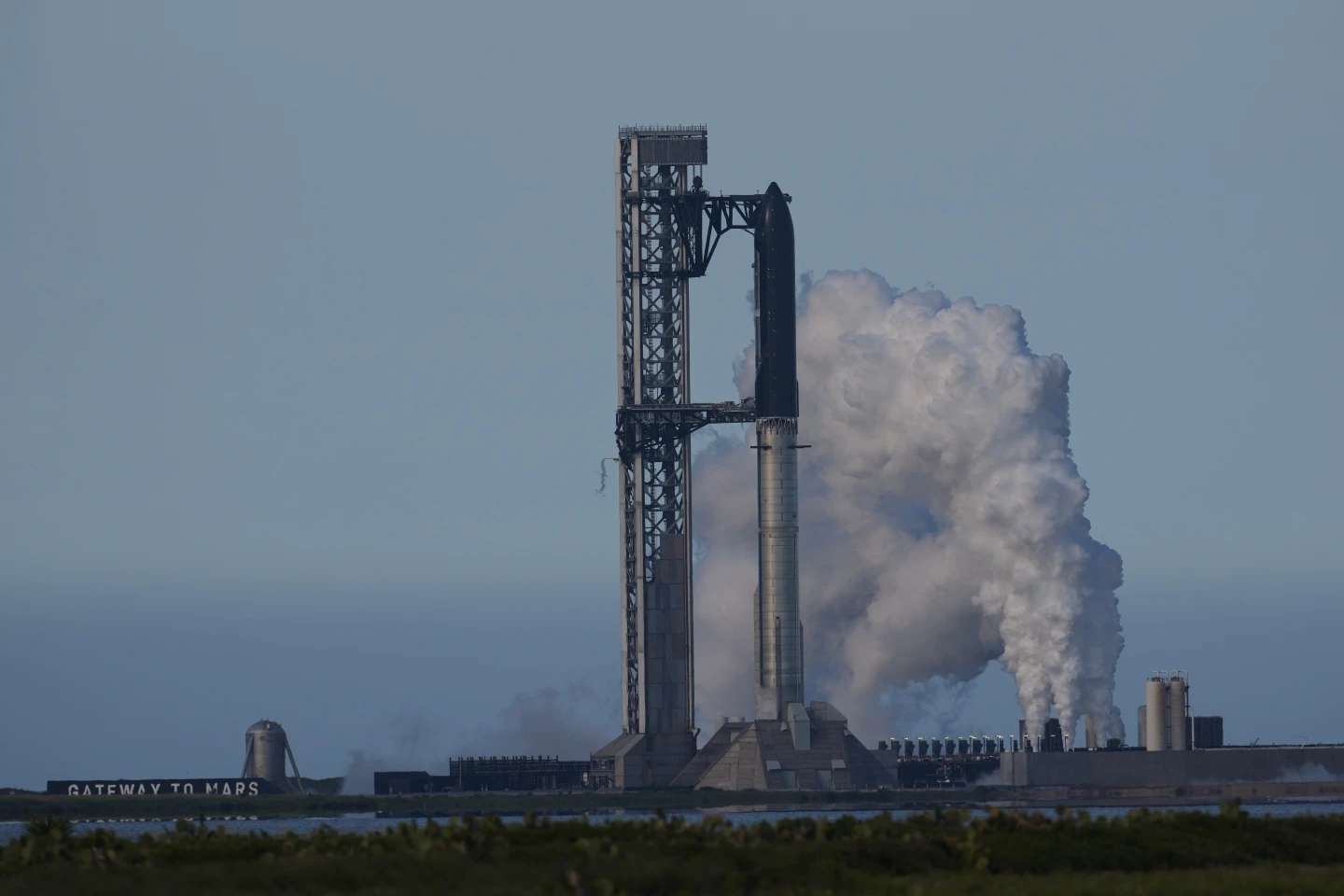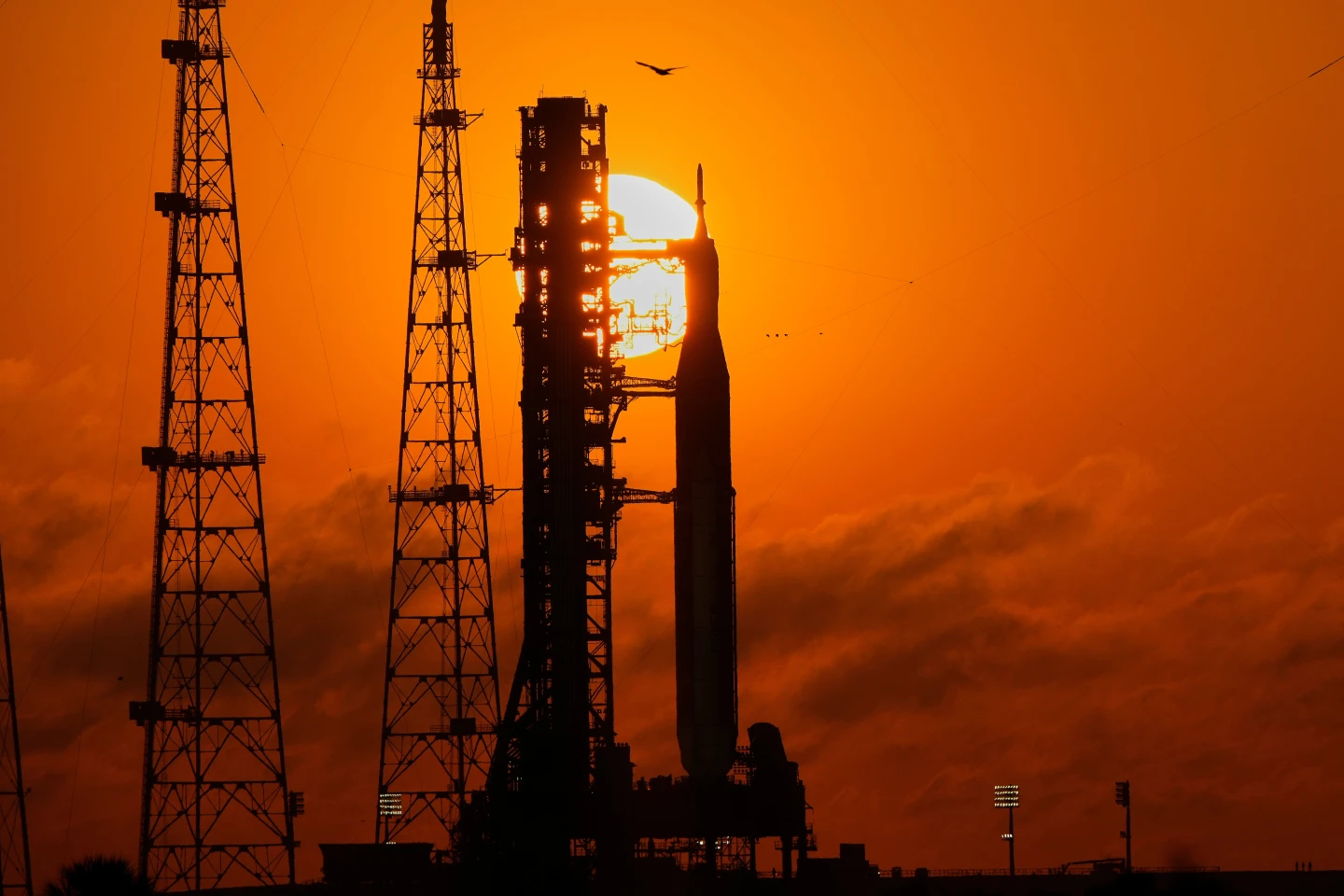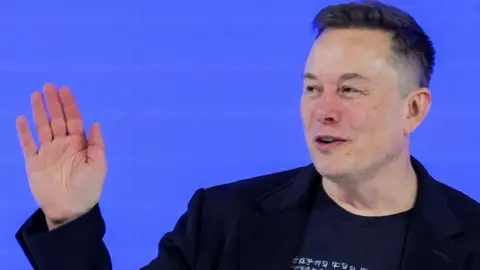
SpaceX rocket Starship has just roared into the sky from Starbase, finishing one of history’s biggest launches while years ahead, a unified message from CEO Elon Musk: the reusable starship will slash the cost of getting to orbit and pave the path to the Moon and Mars. The launch has been followed by a seismic financial event – the company is about to sell a 5% slice of itself to the public, valued at an eye‑popping $1.75 trillion. The IPO is slated for 12 June, past the gate of UK retail investors who have seen the opportunity to own a part of a brand that has already out‑valued almost every vehicle company on the planet.
Behind the rockets is an AI engine. SpaceX is the umbrella brand for Elon’s neural‑net venture xAI and a planned network of solar‑powered, space‑based data centres. In its prospectus, SpaceX estimates a total addressable market of $28.5 trillion, with $26.5 trillion coming from AI‑derived services. Critics wonder whether the real product is stars or data‑processing megacorp that can pull humanity nearly halfway to Mars. Investors face an odd calculus: they are buying a share in a futuristic space‑tech outfit while effectively investing in a multi‑planetary ambition that heavily relies on AI‑specific data streams.
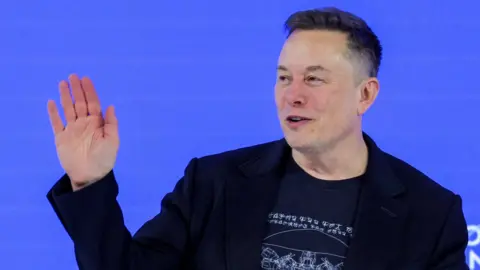
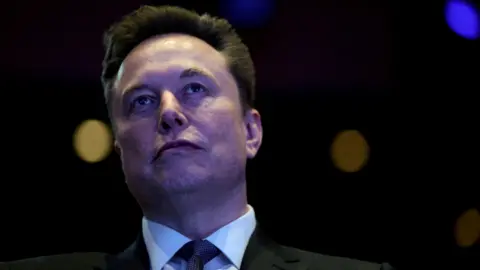
Control will rest almost entirely with Musk. He owns 42% of the company but the share structure gives him voting rights that amount to 85% of the board, leaving ordinary shareholders with largely symbolic ownership. Some institutional voices ask why you would pay a premium for a company with no say in how it is run – especially when that “voice” has been used to bankroll controversial political and social initiatives worldwide. Still, the same track record that catapulted Tesla to a $1.6 trillion market cap a decade ago has made many investors stay, tempted by the chance to be part of what they see as human history in motion.
The IPO will mark the first of several high‑volume naming rights as AI companies after the dot‑com era stands ready to burst onto the public market. Anne‑hence, some worry that a flood of shares, slowly rolled out, might stir a new bubble. Yet the insurance of index funds buying publicly listed companies could crowd out a large sell‑off bubble at the same time. As the market digests the offer, one can only watch whether the market will value the reusable starship objectively or simply ride a speculative wave of brand‑value hype.
Beyond launches and shares, the real lesson from SpaceX’s experience is that a visionary founder can drive a company into realms of potential that once seemed far‑off. Whether you see Musk as a hero or a wildcard, this IPO and the willingness to fund the next generation of AI‑driven, star‑powered data chains suggests a future of real‑world impact that might outpace the current grid of tech giants. For ordinary investors and those who routinely hold pension plans, it is a quick way to own a slice of the first leap into a multispace future – and that alone is enough reason to read the prospectus, and to maybe put a dollar down in something that could easily re‑define the global economy.