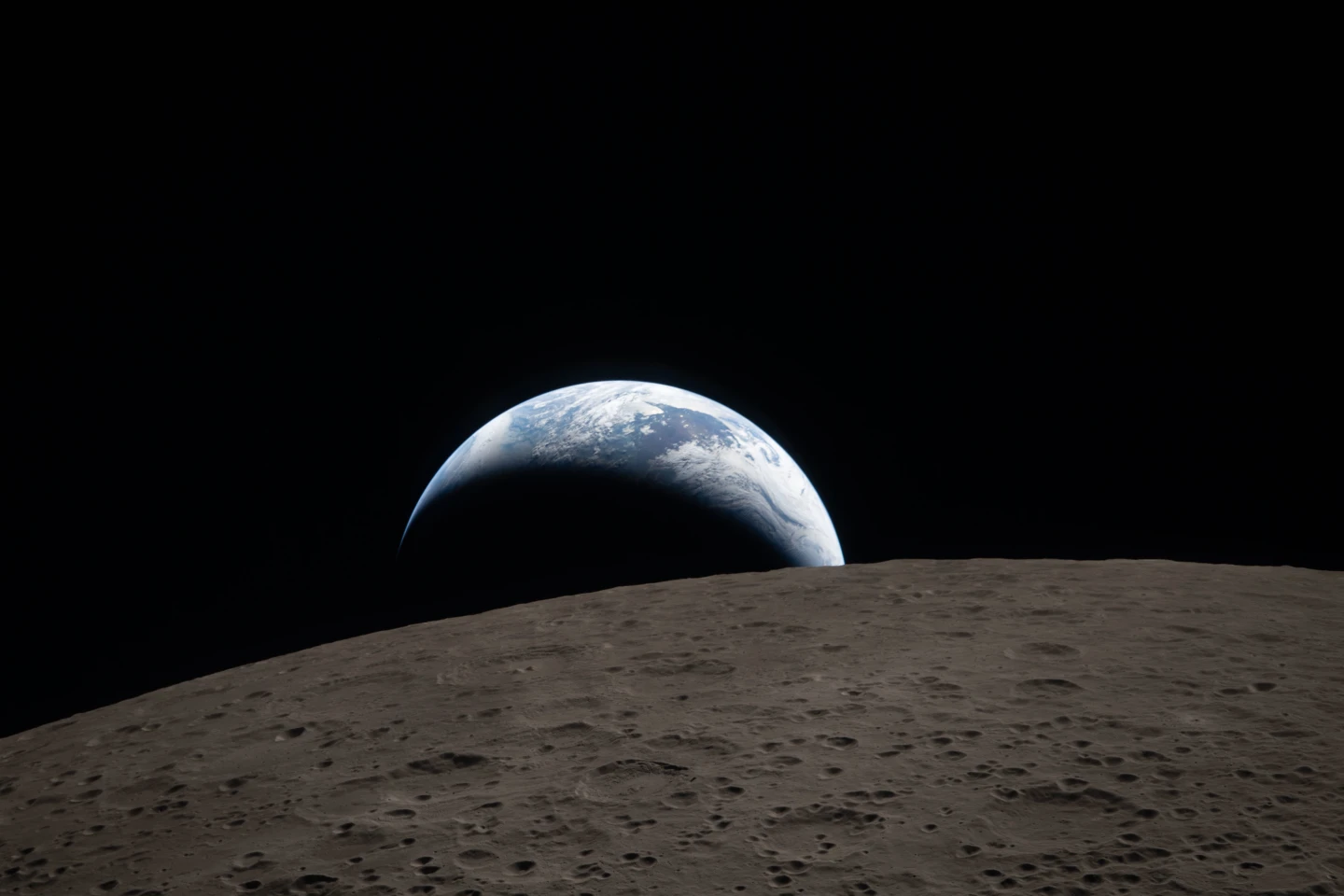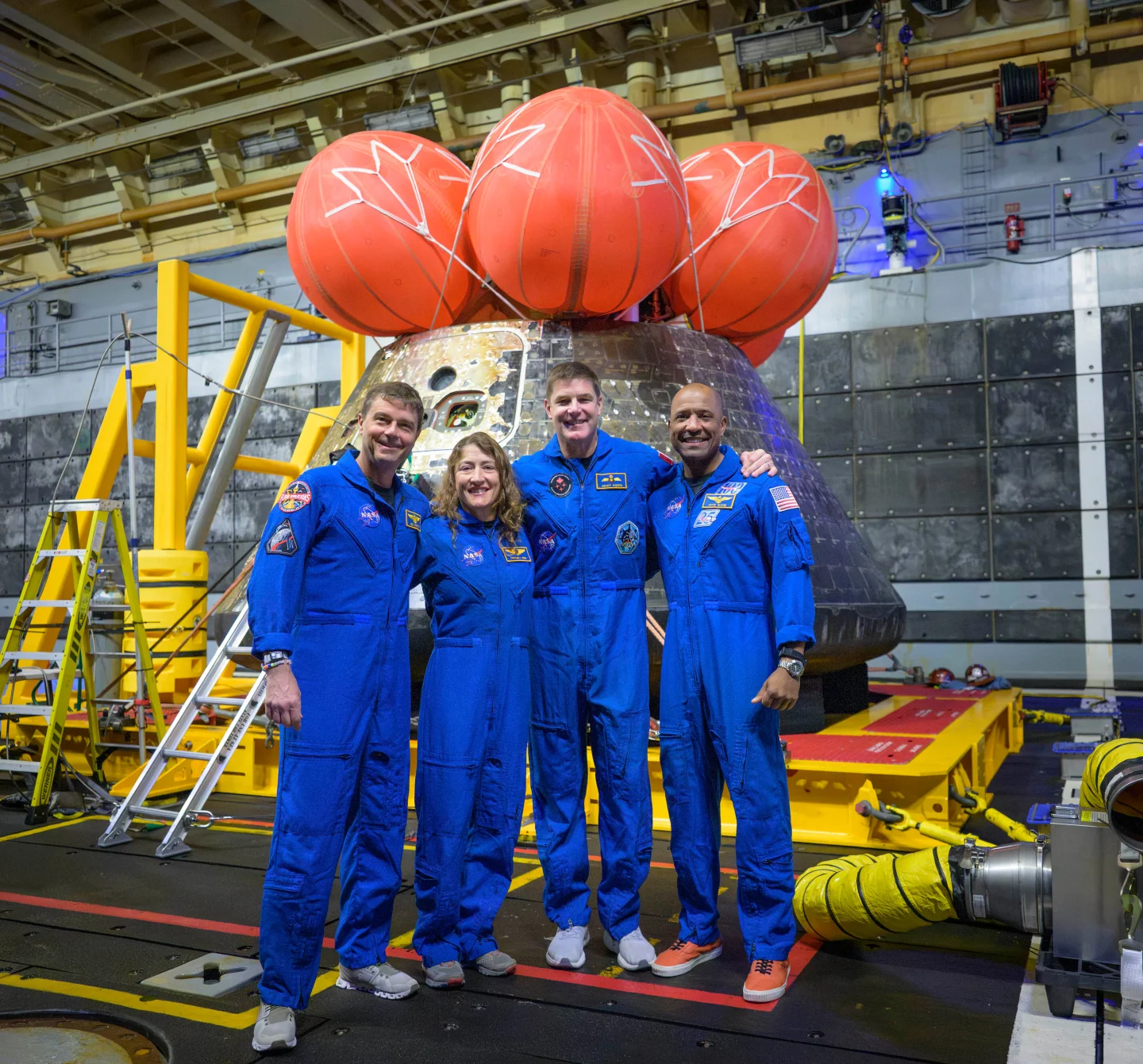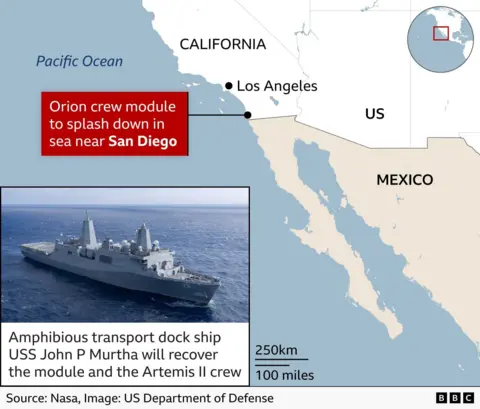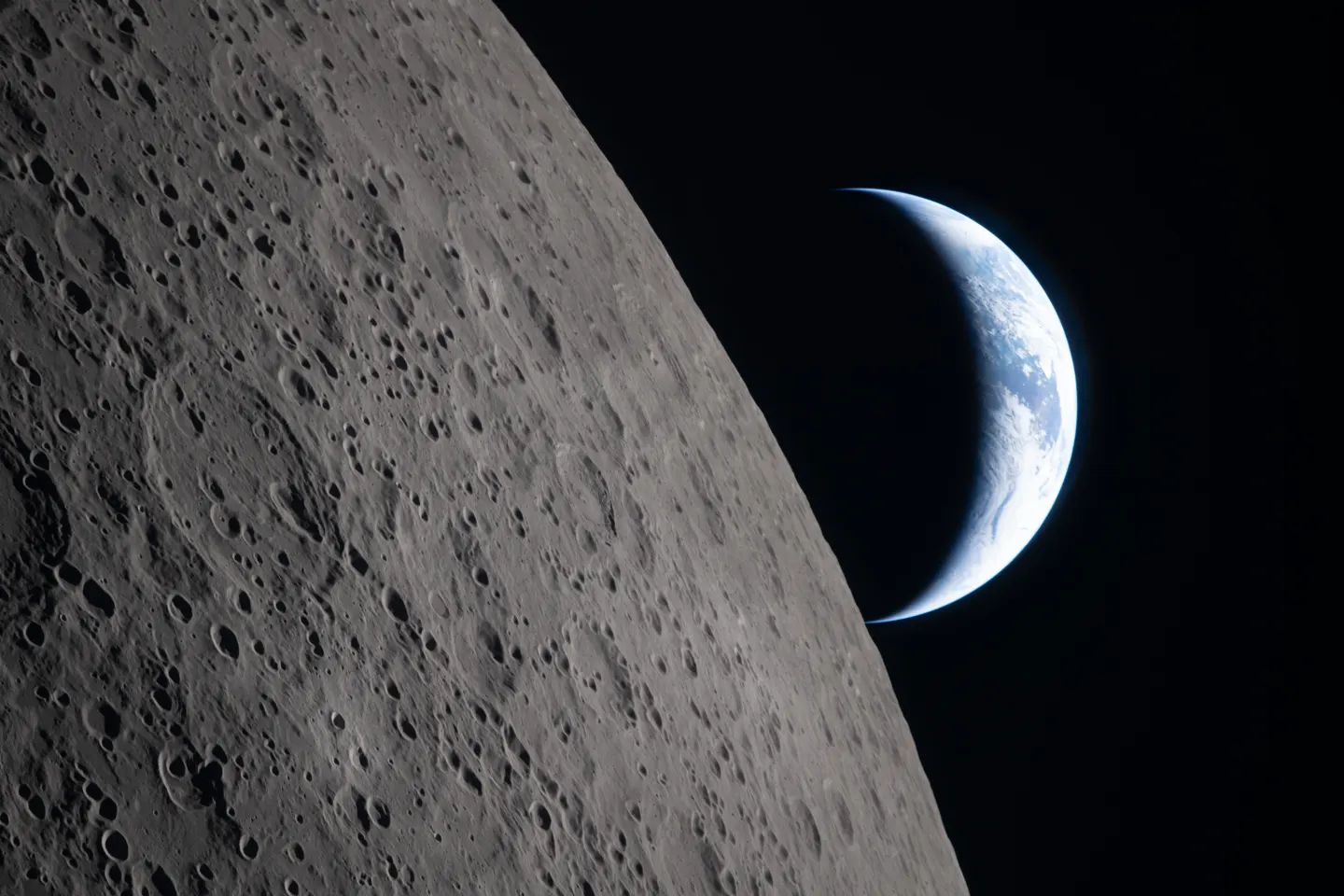
NASA's Artemis II mission has successfully sent four astronauts sweeping around the far side of the Moon and landed them safely back home. The Orion spacecraft performed admirably and the images the astronauts captured have delighted a whole new generation about the possibilities of space travel. But does this mean that the children enthralled by the mission will be able to live and work on the Moon in their lifetimes? Perhaps even go to Mars, as the Artemis programme promises? It seems churlish to say, but looping the Moon was relatively easy. The really hard part lies ahead, so the answer is 'maybe, maybe not'.
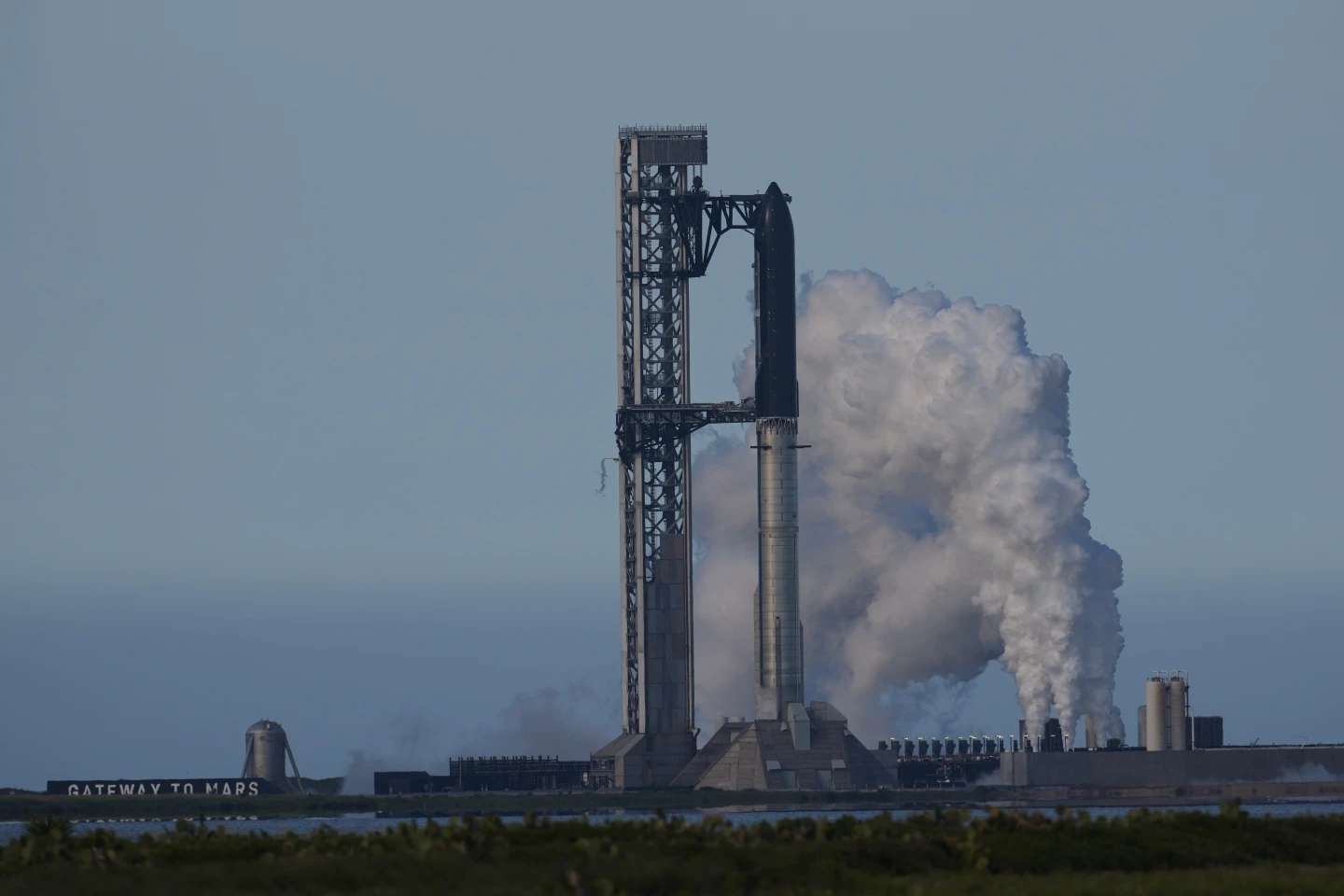
Just a few years after Neil Armstrong and Buzz Aldrin’s historic Moon landing in 1969, public interest waned, and future Apollo missions were scrapped. This time, NASA's ambition differs, aiming for at least one crewed lunar landing a year starting in 2028, with the fifth Artemis mission signaling the launch of a Moon base. Yet the agency is not without challenges; NASA needs to resolve significant delays with landers being developed by SpaceX and Blue Origin, both of which are behind schedule.
The Artemis programme intends to store all the necessary propellant in a depot orbiting Earth, which raises the stakes for timely completion. Engineering hurdles to transfer cryogenic fuels in space are formidable, alongside the fraught timeline leading to Artemis III in mid-2027. As competition heats up, particularly with China’s ambitions to land on the Moon by 2030, the U.S. faces pressure to meet its 2028 deadline underpinned by political motivations. The future for Mars, however, remains a distant dream filled with challenges that dwarf those of lunar missions. The Artemis II mission however, has revitalized human spaceflight debates and signaled private sector urgency in space exploration, hinting that something momentous may soon unfold in our quest to push beyond Earth.
Just a few years after Neil Armstrong and Buzz Aldrin’s historic Moon landing in 1969, public interest waned, and future Apollo missions were scrapped. This time, NASA's ambition differs, aiming for at least one crewed lunar landing a year starting in 2028, with the fifth Artemis mission signaling the launch of a Moon base. Yet the agency is not without challenges; NASA needs to resolve significant delays with landers being developed by SpaceX and Blue Origin, both of which are behind schedule.
The Artemis programme intends to store all the necessary propellant in a depot orbiting Earth, which raises the stakes for timely completion. Engineering hurdles to transfer cryogenic fuels in space are formidable, alongside the fraught timeline leading to Artemis III in mid-2027. As competition heats up, particularly with China’s ambitions to land on the Moon by 2030, the U.S. faces pressure to meet its 2028 deadline underpinned by political motivations. The future for Mars, however, remains a distant dream filled with challenges that dwarf those of lunar missions. The Artemis II mission however, has revitalized human spaceflight debates and signaled private sector urgency in space exploration, hinting that something momentous may soon unfold in our quest to push beyond Earth.