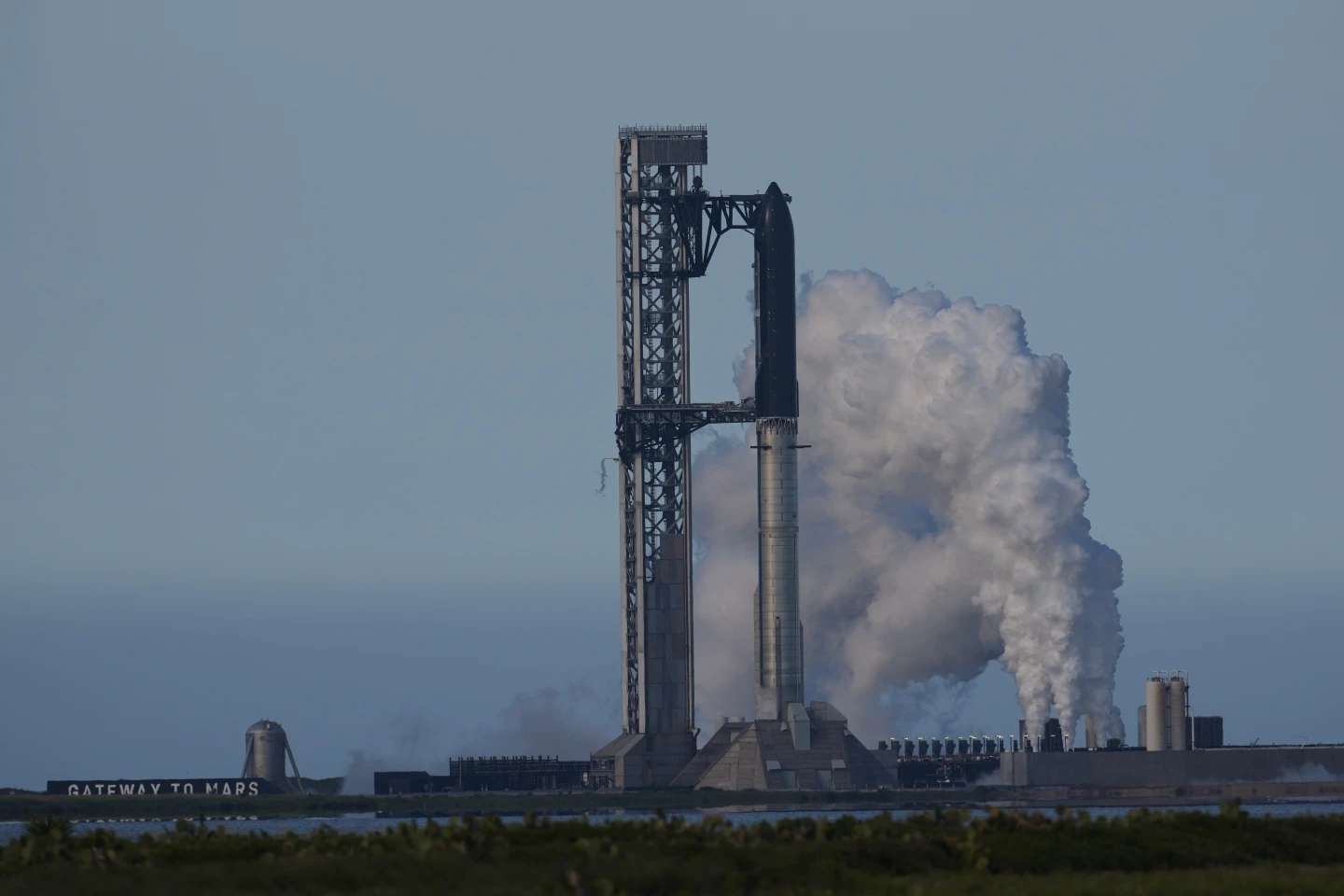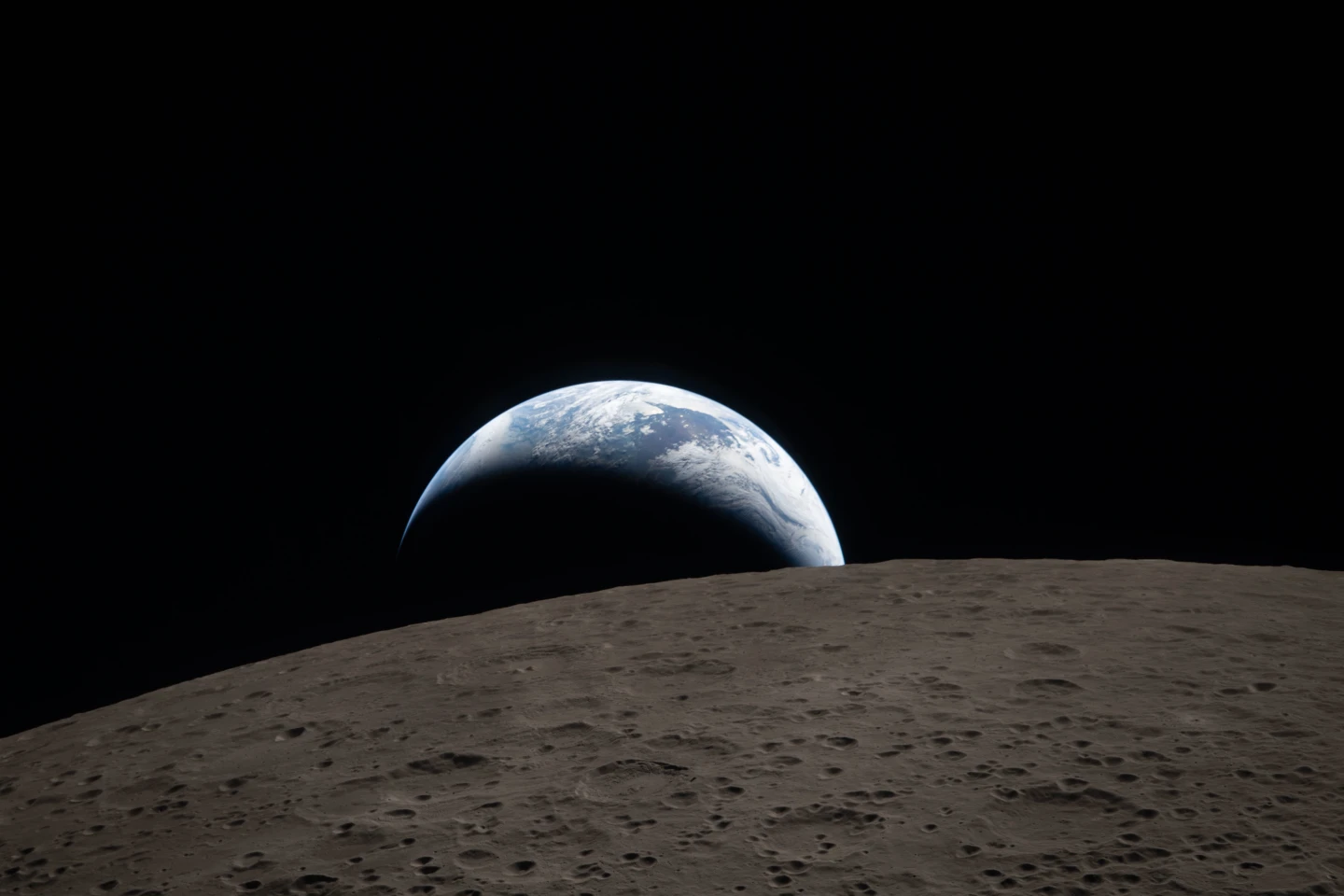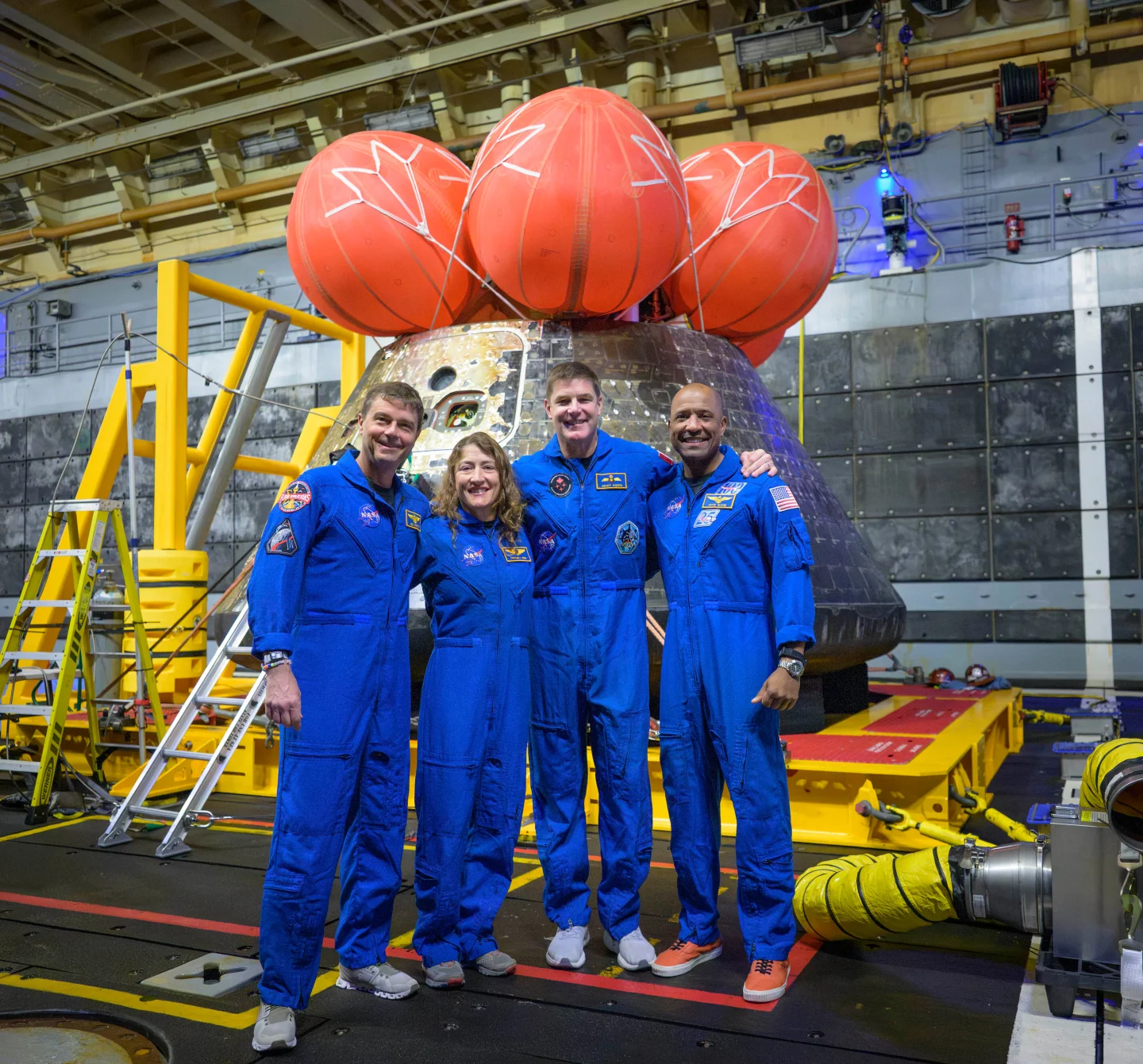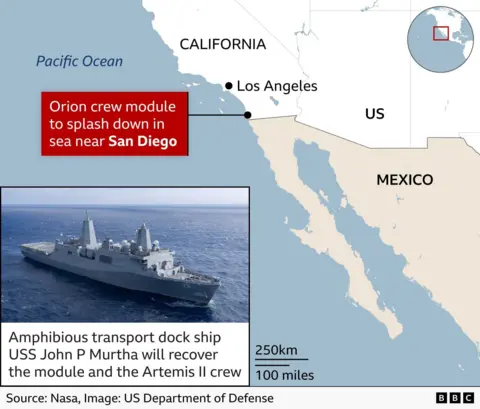
CAPE CANAVERAL, Fla. — NASA prepares to launch Artemis II, the next step in humanity's long-awaited return to the moon, scheduled for April of this year. This mission, featuring four astronauts, reflects significant evolution from the Apollo program, with increased focus on diversity and safety.
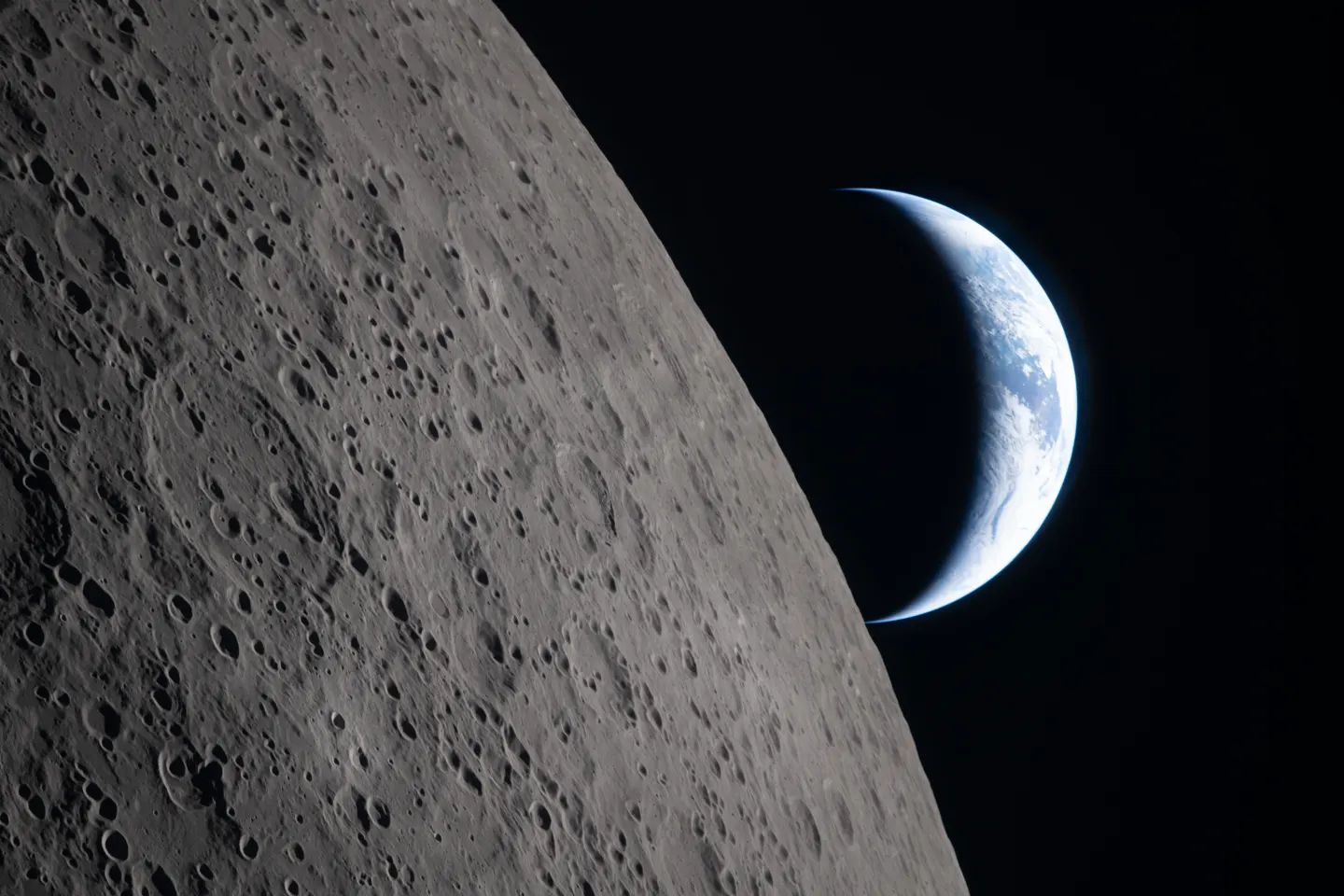
As the Artemis II crew prepares for liftoff, comparisons to the Apollo missions are inescapable. While Apollo 8 made history as the first crewed mission to orbit the moon in 1968, Artemis II will take a more cautious route, performing a slingshot maneuver around the lunar body, emphasizing safety and thorough testing.
In stark contrast to the male-dominated Apollo era, Artemis embraces inclusivity with a crew comprising a woman, a person of color, and an international astronaut from Canada, showcasing a more representative face of humanity in space exploration.
Navigating through the challenges of the past few decades, Artemis has confronted delays and the complexity of shifting priorities between lunar and Martian exploration. NASA's new Space Launch System (SLS) has undergone rigorous testing, including just one prior uncrewed launch—far fewer than the multiple missions experienced by the Apollo program in its pioneering years.
Revamped Schedule and Mission Objectives
In an effort to maintain Apollo's spirit while addressing modern advancements, NASA's Administrator Jared Isaacman has restructured the Artemis program. He has introduced an additional mission between Artemis II and the original Artemis III, shifted to 2028, enabling astronauts to conduct vital in-orbit docking maneuvers with the new lunar landers.
While the Artemis III mission will focus on docking procedures rather than an initial landing as previously planned, it marks an important preparatory step towards eventual lunar excursions.
Facing Global Competitors
The geopolitical landscape also mirrors the race in the 1960s, with China emerging as a significant competitor in lunar exploration. The Chinese space agency has already achieved unprecedented milestones, landing robotic craft on the moon's far side, and plans to send astronauts to the lunar south pole by 2030. This area is thought to hold essential resources, like water ice, vital for future missions and sustainability.
Adapting Space Technology
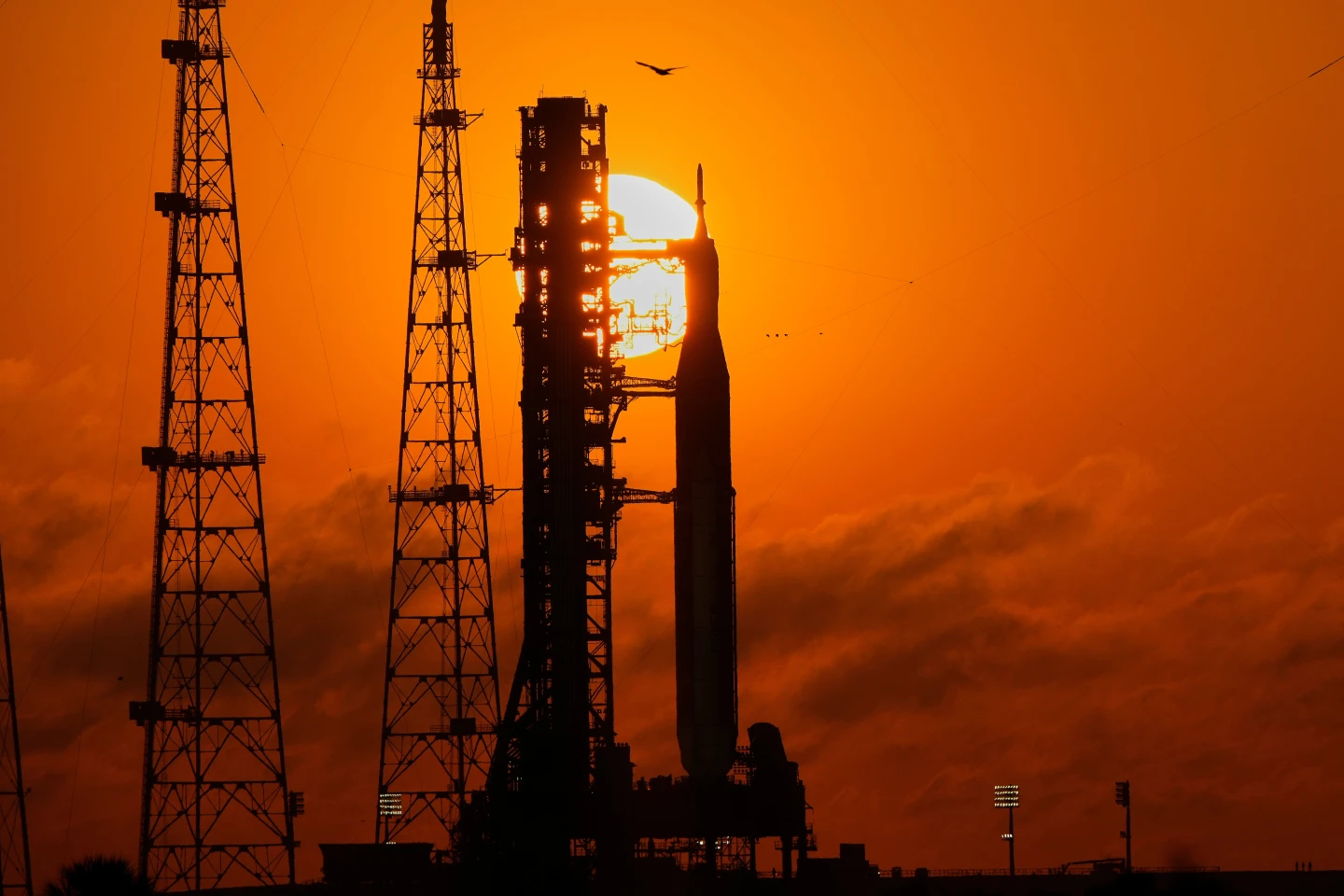
Technological advancements also differentiate Artemis from its predecessor, with the SLS rocket presenting superior thrust capacity compared to the historic Saturn V. Launch operations will continue from Kennedy Space Center, this time utilizing the modernized Launch Complex 39-B, highlighted by the presence of women in leadership roles during missions.
Looking Forward
Artemis heralds aspirations beyond lunar exploration, aiming for Mars in the future while planning sustainable living concepts on the moon, involving habitats and essential support systems. Each step undertaken during these upcoming missions builds a foundation for humanity’s greater aspirations in space.
As mission preparations progress, NASA hopes that Artemis II will not only expand human presence in space but also inspire hope amid current global challenges, much like the Apollo missions once did. When Artemis II launches, it will rekindle the pioneering spirit of exploration, ushering in a new chapter in celestial discovery.