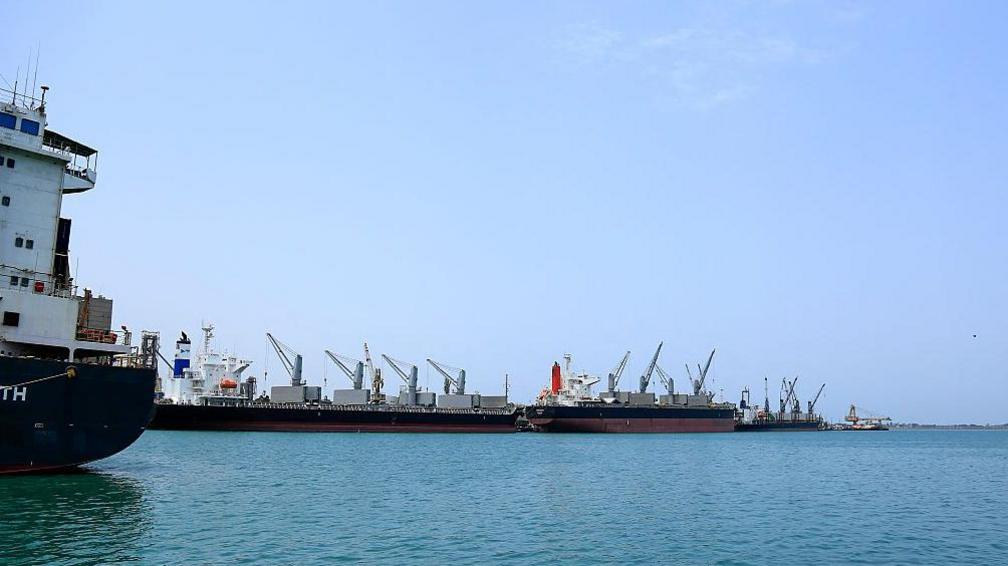
On Monday, the Iran‑linked Houthi movement declared a maritime embargo against Saudi Arabia, announcing that “vessels are banned from loading or discharging cargo at any Saudi ports” and warning that ships “may be subject to targeting in any location within the operational reach.”
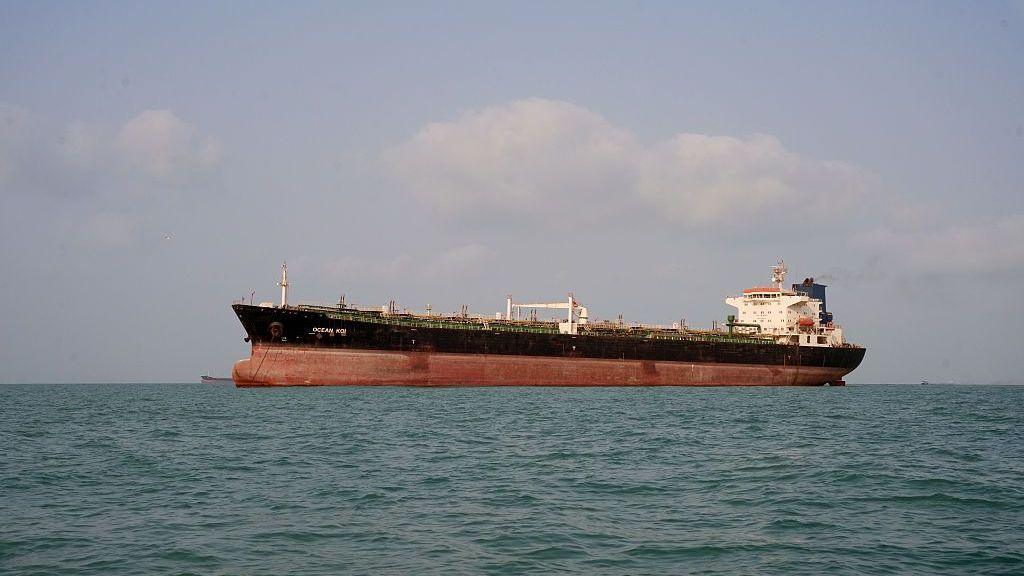
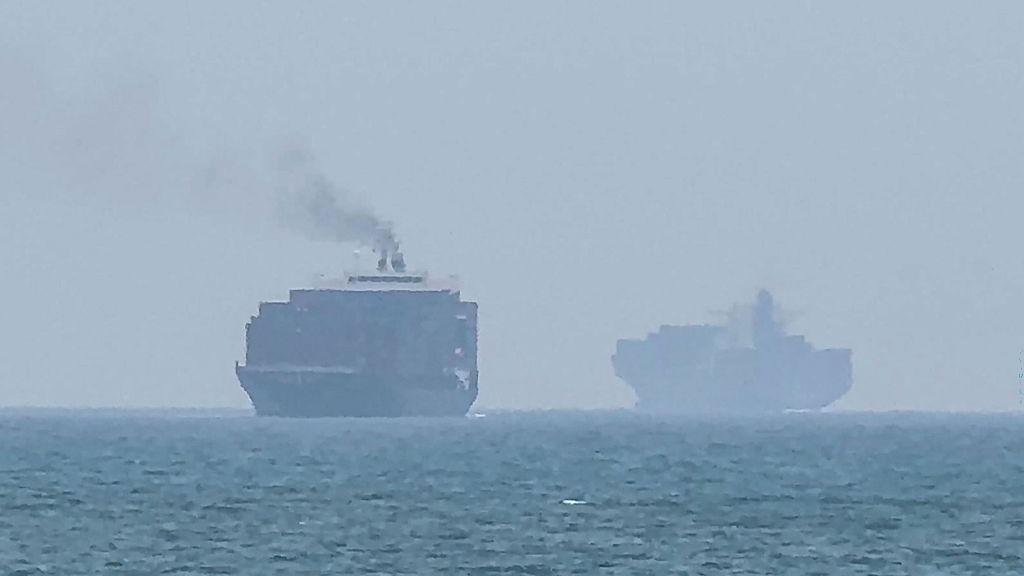
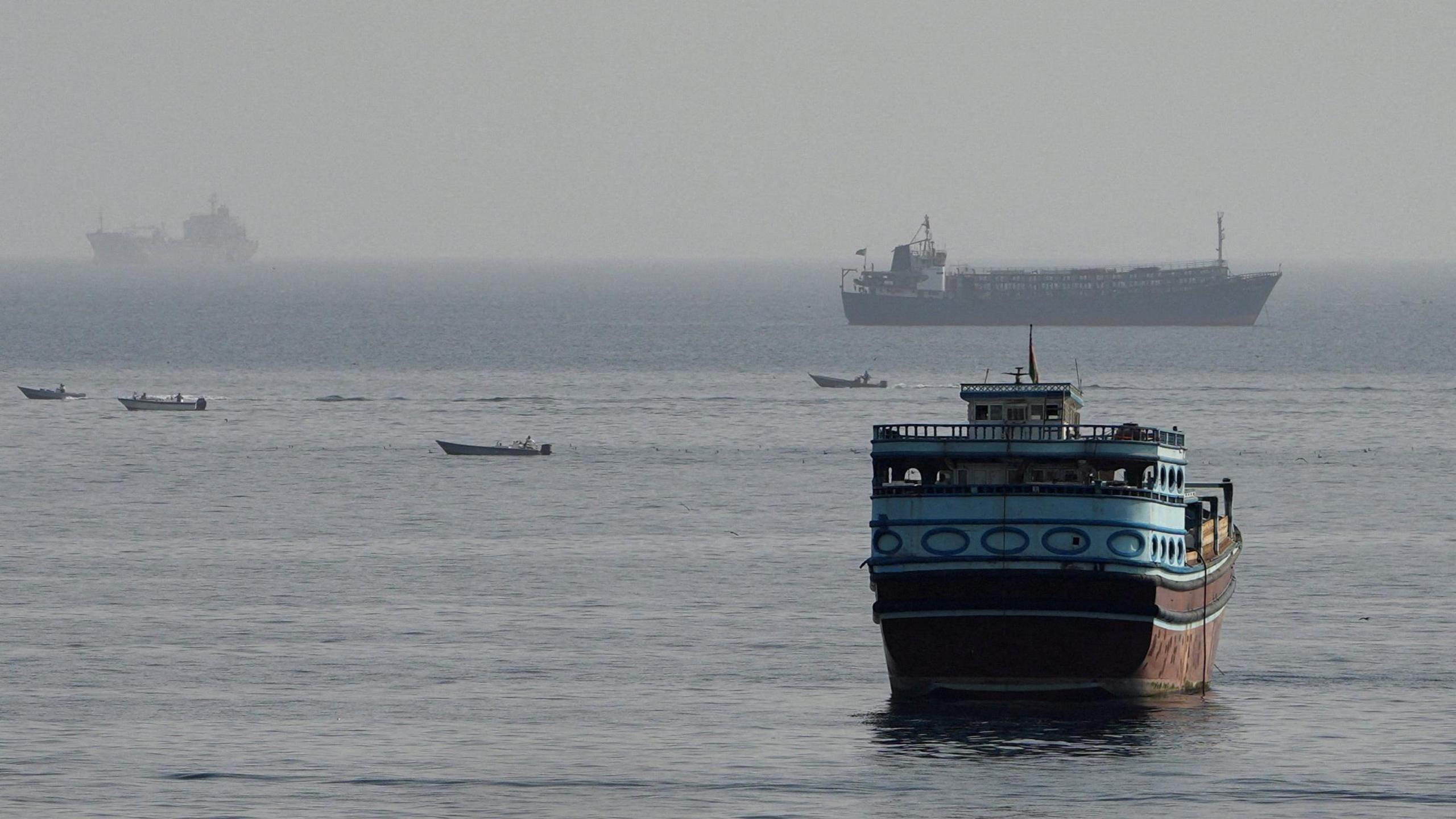
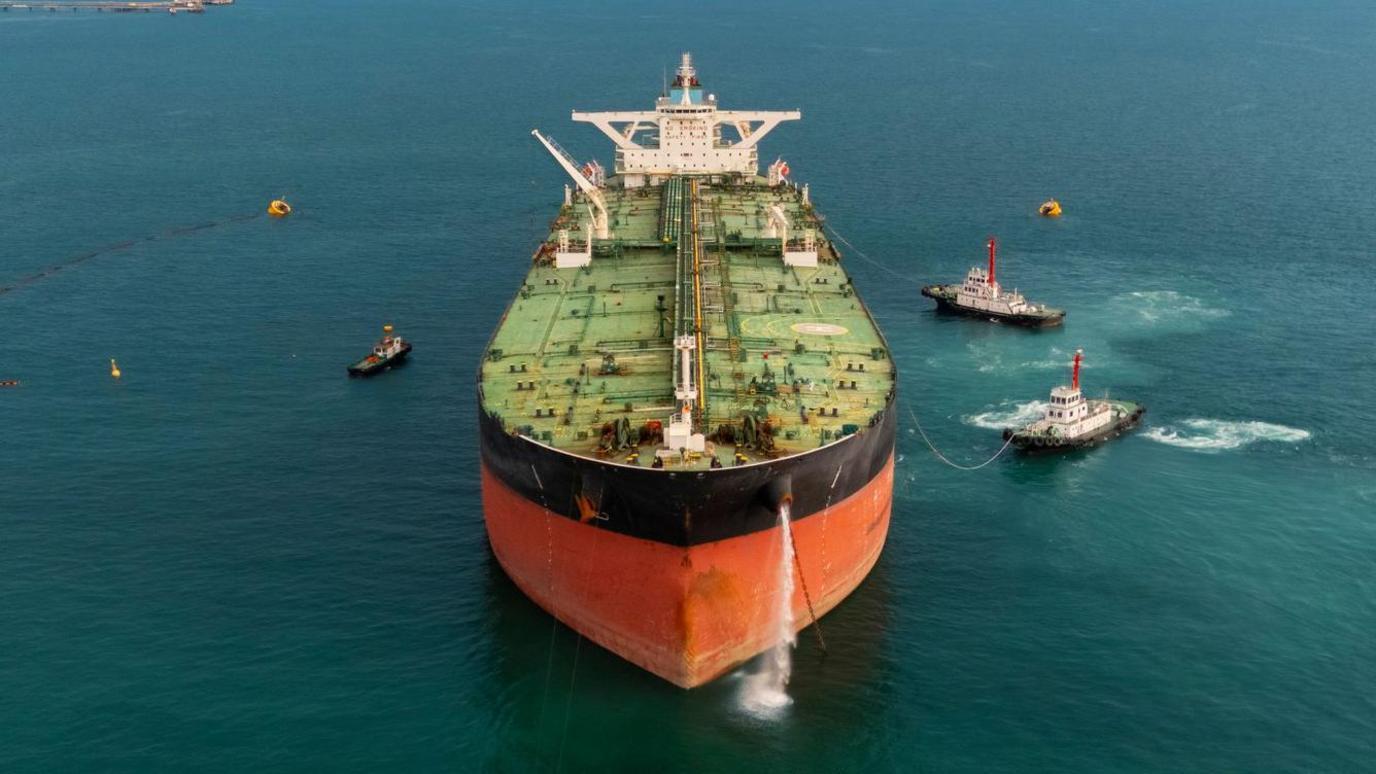
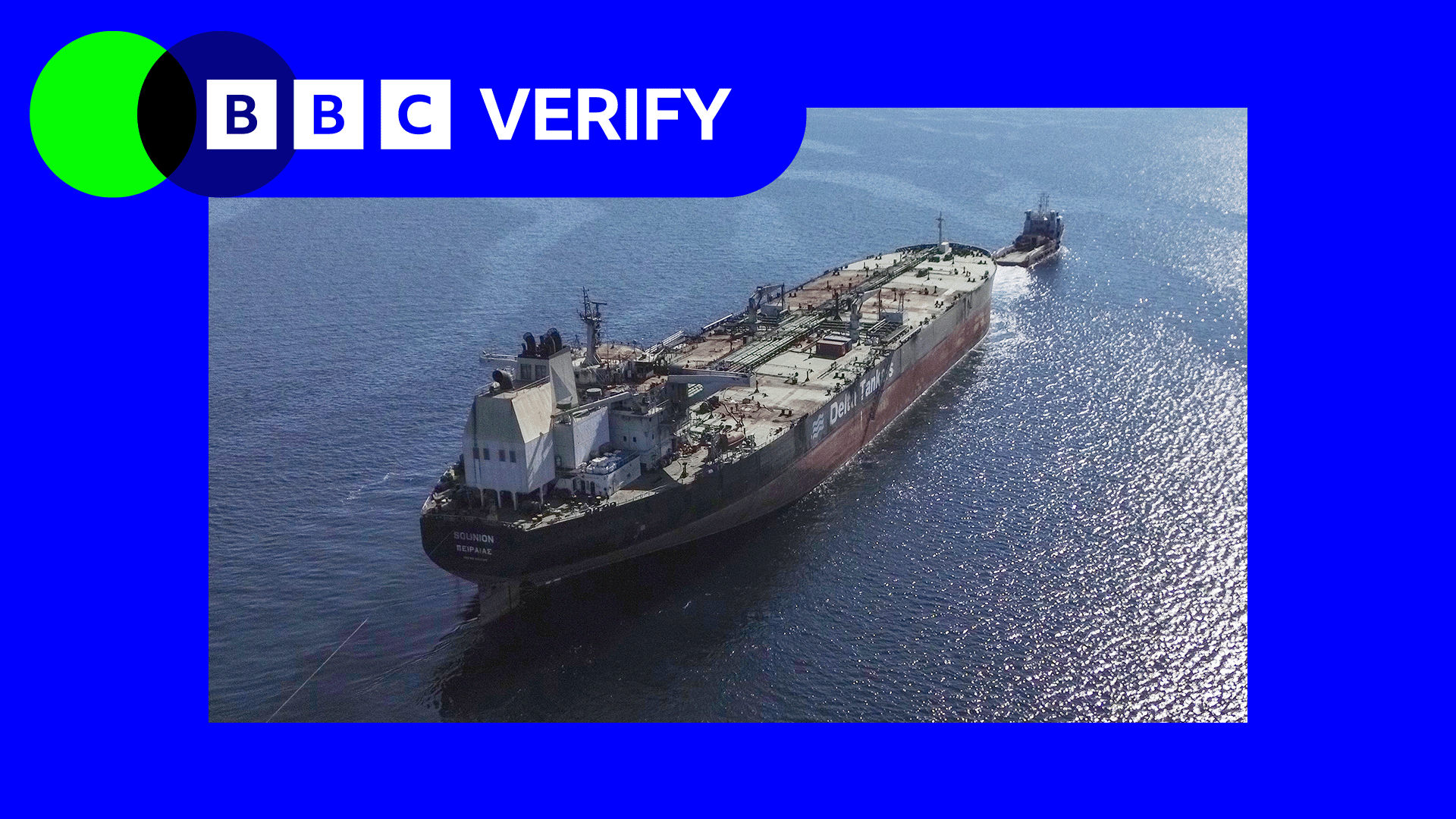
Within a week, ship‑tracking data from MarineTraffic shows at least seven tankers—spanning crude oil and chemical carriers—made abrupt U‑turns in the Red Sea and Gulf of Aden. For example, the Liberian‑flagged Rodos, carrying Saudi crude, departed al‑Muajiz bound for India but turned around after nearly nine hours, heading north instead of toward the Bab al‑Mandab Strait. Similar reversals were logged for the Mica, Liu Jiang Kou, and New Prime.
These movements coincide with the embargo announcement, and maritime risk management firms say the change in course is a clear signal to the shipping community that the Houthi threat is now active.
The Red Sea is a choke point for about 15 % of global sea trade, linking the Mediterranean to the Gulf of Aden. Saudi Arabia has, since the closure of the Strait of Hormuz following the US‑Israeli‑Iranian conflict, diverted a growing share of its crude exports through the Red Sea pipeline to Yanbu, accounting for roughly 70 % of its exports from that route. A disruption here could force cargo to detour through the Mediterranean and around the Cape of Good Hope.
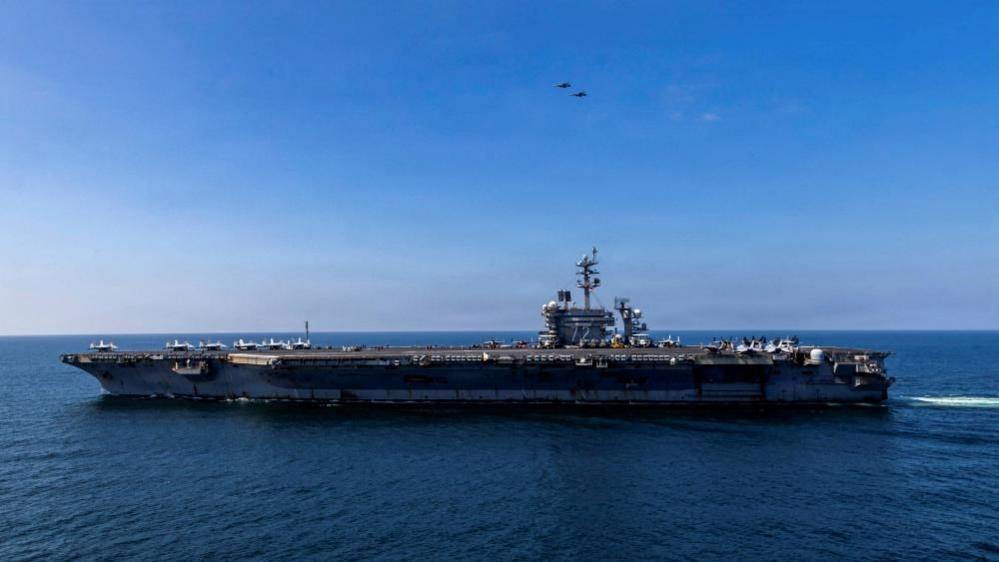
Defence Priorities analyst Rosemary Kelanic warns that Houthi attacks could “suppress all international traffic, not just Saudi‑bound vessels,” raising freight rates and ultimately consumer energy costs. The EU naval force Aspides has already recommended that merchant vessels linked to Israeli, U.S., or Saudi interests avoid the region until threat levels ease.
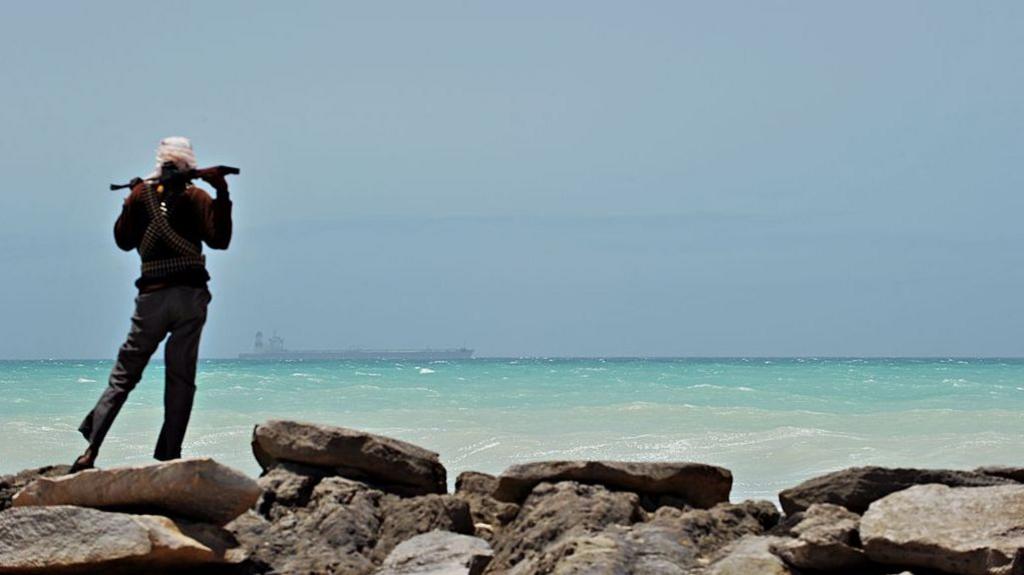
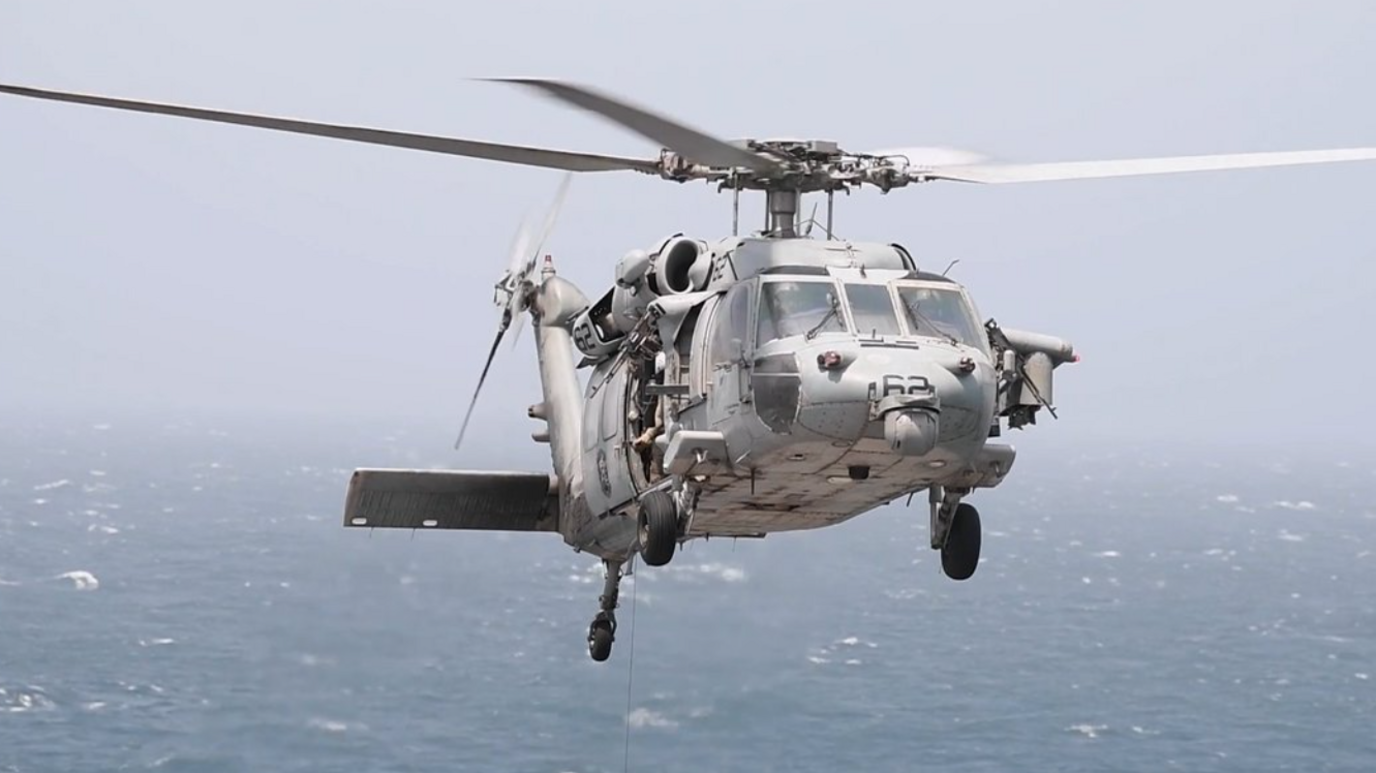
Historically, the Houthis have struck merchant vessels in the Red Sea and Gulf of Aden during the Gaza war, sinking four ships, seizing one, and killing nine crew members. Their campaign in 2024 further echoes these tactics, intensifying regional risk for global supply chains.
Senior oil analysts note that if the Bab al‑Mandab remains effectively closed, Saudi Arabia might have to route all oil through the Mediterranean and the southern tip of Africa, a route 30‑50 % longer, which would strain shipping capacity and spike prices. Short‑term impacts on consumers may be modest, but over weeks to months, higher freight and energy prices could spill into broader markets.
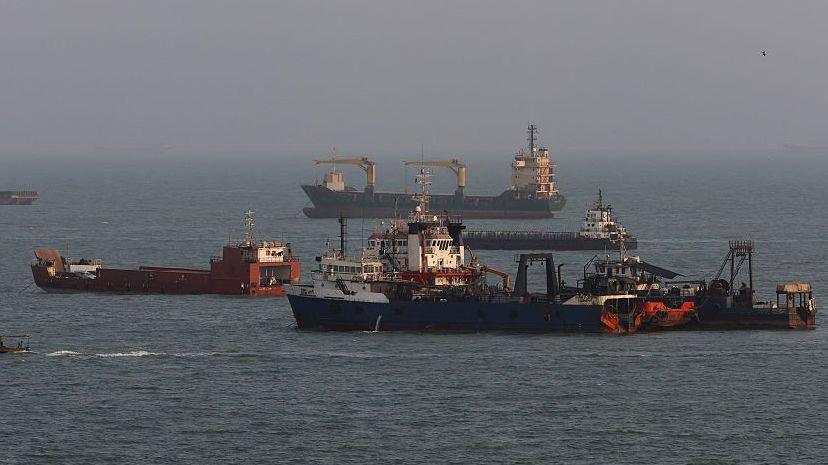
With at least 50 vessels in the region now broadcasting armed guards, the Strait has become a high‑risk area. Captains fear misidentification could trigger attacks, especially given past incidents of ships being targeted after allegedly calling at Saudi ports.