Oman and Iran talk over new Hormuz route, US remains cautious
Oman’s foreign ministry announced that discussions with Iran are advancing toward a proposal that would secure a safe passage corridor in the Strait of Hormuz. The negotiators reportedly are in the final stages, but no firm timetable has yet been agreed.
Iranian Foreign Minister Abbas Araghchi stressed that reopening the strait would still depend on additional conditions. He noted that Tehran demands compensation for attacks it claims violated a 2026 cease‑fire, and that the bilateral memorandum of understanding likewise collapsed after renewed hostilities.
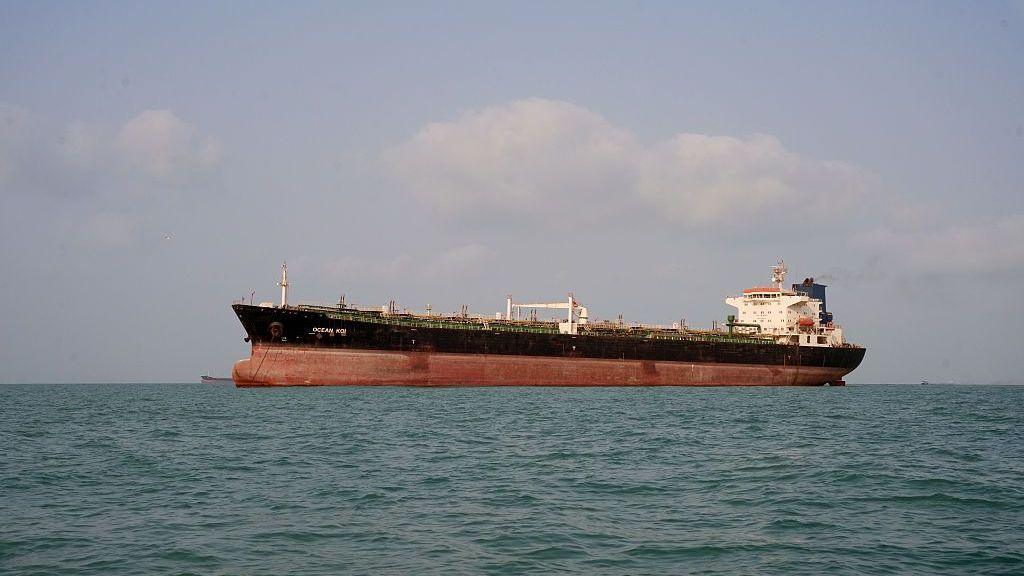
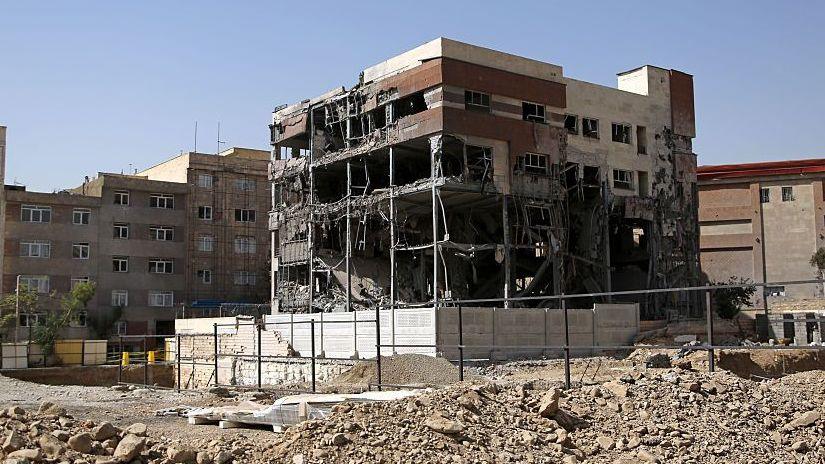
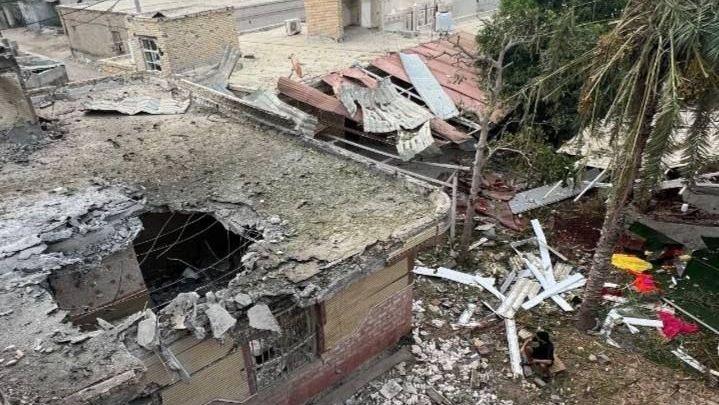
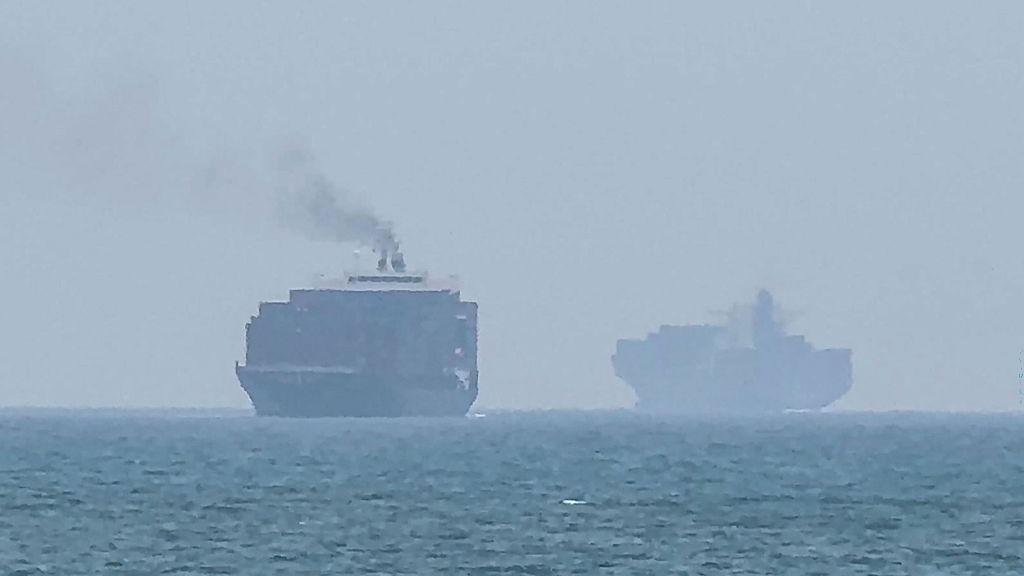
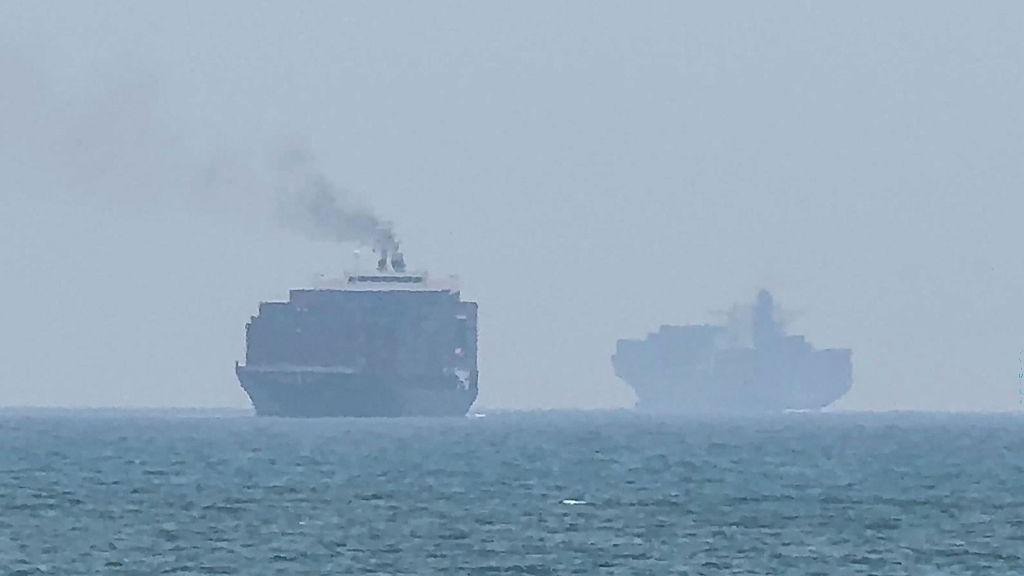
The Strait of Hormuz is pivotal, carrying roughly a fifth of the world’s oil and natural gas. Since the US and Israel intensified strikes on Iranian ports in February, Tehran has effectively blockaded the waterway.
Security chief Mohammad Baqer Zolqadr added that the channel would not open until the United States corrected its actions, including lifting the naval blockade of Iranian ports and releasing frozen assets. He cited six specific demands the US would need to address before the strait could see traffic again.
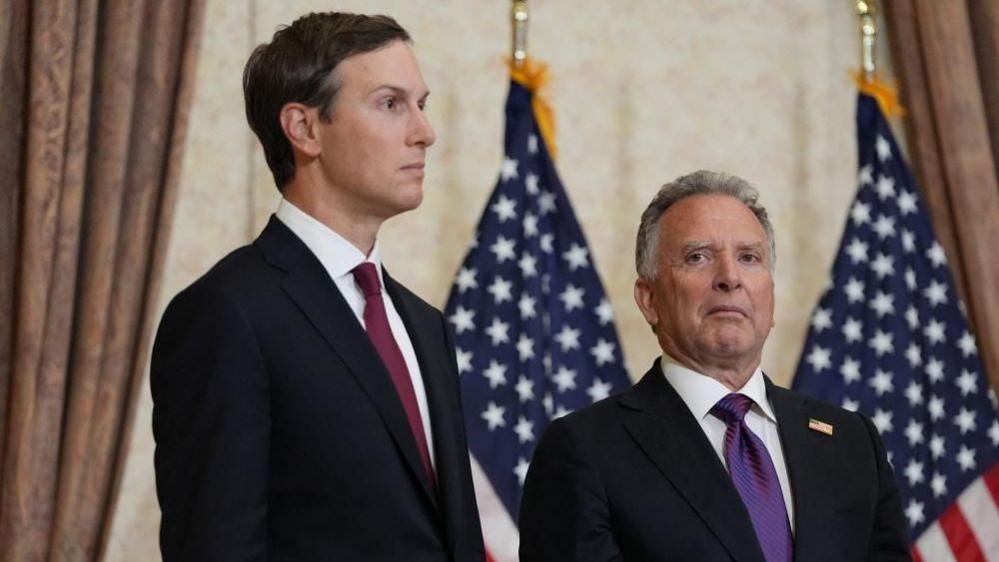
US President Donald Trump hinted that a deal might be imminent, but Vice‑President J.D. Vance described the situation as “in the middle of the game,” noting that a range of diplomatic, economic and military measures are still needed to achieve a favorable outcome.
During the same period, the United Arab Emirates reported that an Iranian missile struck an Adnoc tanker as it passed the strait, with no casualties. The UK Maritime Trade Operations also logged a projectile hit on an unnamed ship, causing a fire that was extinguished safely.
With multiple incidents and a complex chain of diplomatic requirements, the future of the Hormuz maritime corridor remains uncertain. Both sides and Washington await a resolution that satisfies operational safety, legal commitments and financial expectations.