In brief
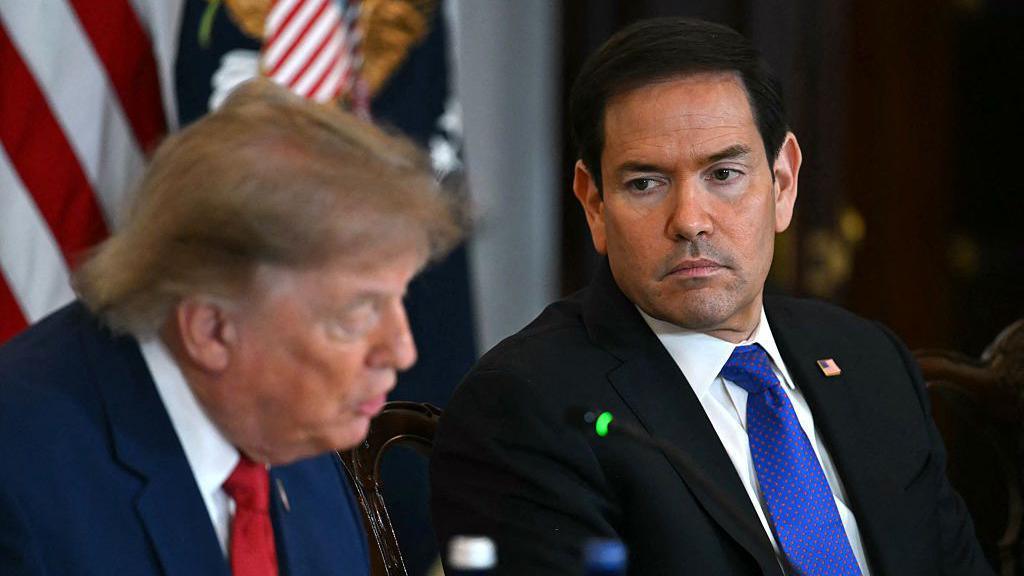
Secretary of State Marco Rubio announced a fresh wave of sanctions targeting nine state‑owned Cuban mining, metal and construction firms, the Ministry of Construction and officials linked to the Cuban Institute of Friendship with the Peoples. He accused the figures of ferrying pro‑Cuban sympathisers to Havana and enabling the regime’s “export of Marxism” abroad. The move follows the US oil blockade imposed earlier this year and further strains Cuba’s already fragile economy, sparking protests over power cuts and a tourism collapse.
Will Grant, Cuba correspondent and Harry Sekulich
The United States has announced a new tranche of sanctions against Cuba, targeting nine state‑owned mines, metal and construction firms, as well as the Ministry of Construction and officials linked to the Cuban Institute of Friendship with the Peoples (ICAP). This follows the president’s blanket sanctions announced in 2025.
In a brief statement, Secretary Rubio described the actions of these entities as “ferrying a new brigade of international sympathisers to Havana to network with regime officials” in celebration of former leader Fidel Castro’s 100th birthday.
Cuban President Miguel Diaz‑Canel has condemned the measure as an extension of “political persecution” and a further blow to the country’s economy, which has already been debilitated by the US oil blockade since January 2026.
The sanctions also target the ICAP’s president, Fernando Gonzalez Llort—the alleged mastermind behind a Cuban spy ring—and call the institute “misleading and corrupting American citizens with lies” and “spy tradecraft”.
Economic repercussions are already evident: Cuba’s tourism industry, a major revenue source, has shrunk dramatically, and the aging electricity grid—highly dependent on fuel imports—has triggered emergency generators and severe power cuts. These disruptions have sparked rare public protests, a sign of the regime’s mounting public dissatisfaction.
Cuban Foreign Minister Bruno Rodríguez criticized Rubio’s announcement as “punitive” and warned that the new sanctions would prevent Cuba from guaranteeing the basic services that the population relies on, citing the “critical situation” caused by the ongoing blockade.
The United States will continue to monitor the sanctions’ impact on Cuba and remain vigilant about potential diplomatic fallout amid a broader strategy to curb the regime’s foreign influence.