Middle East Oil Shipping Faces Highest Threat Since Iran War
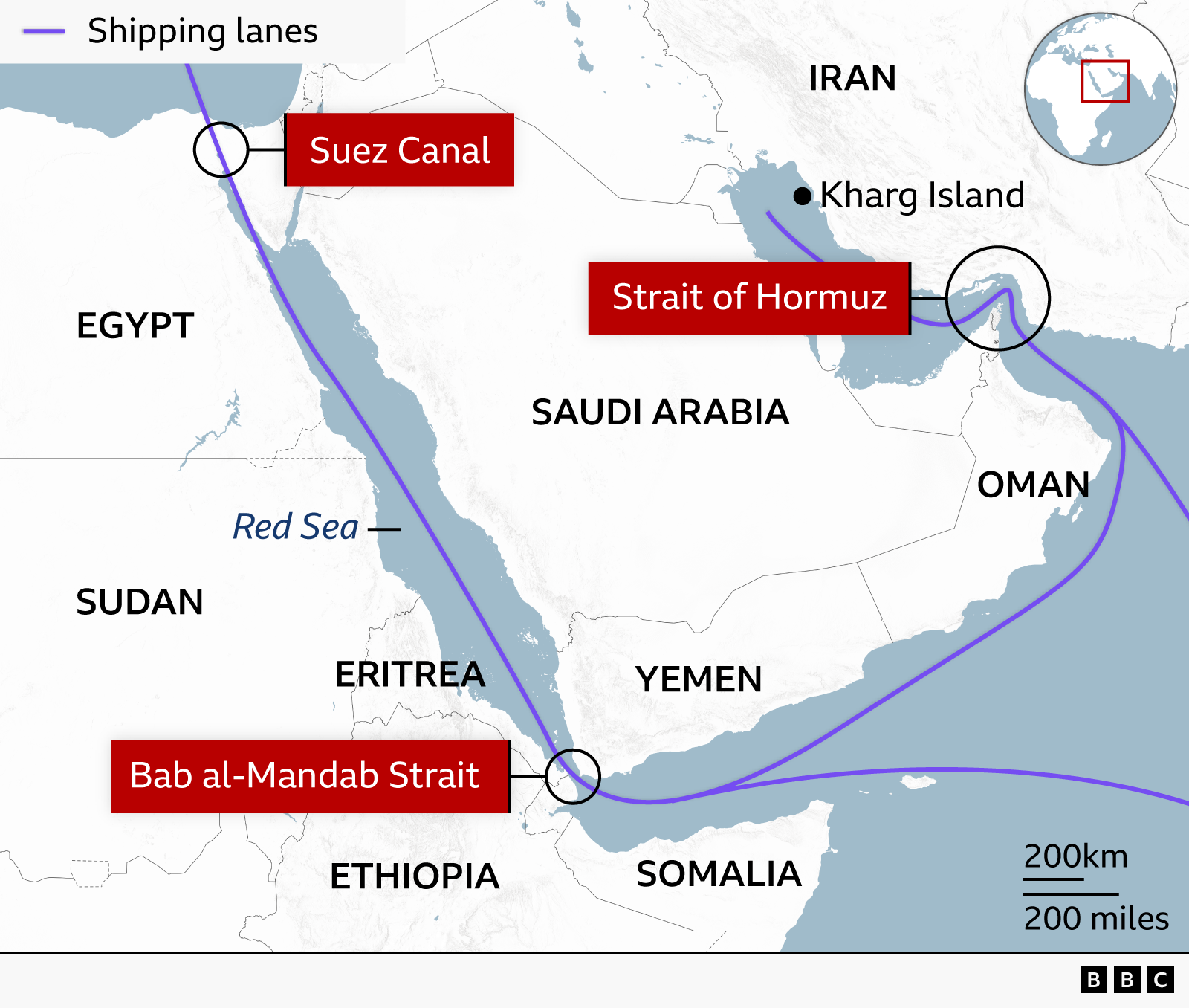
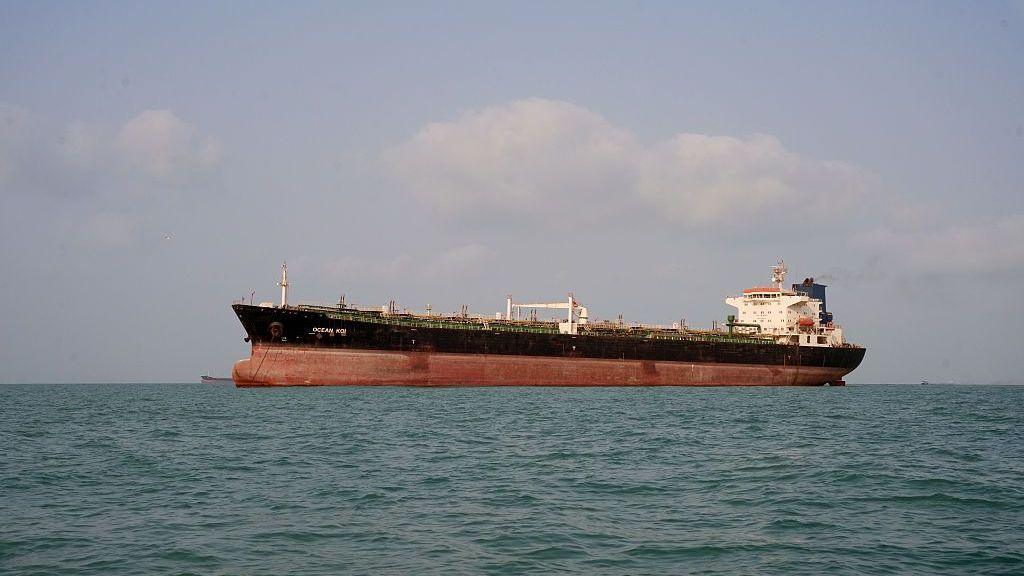
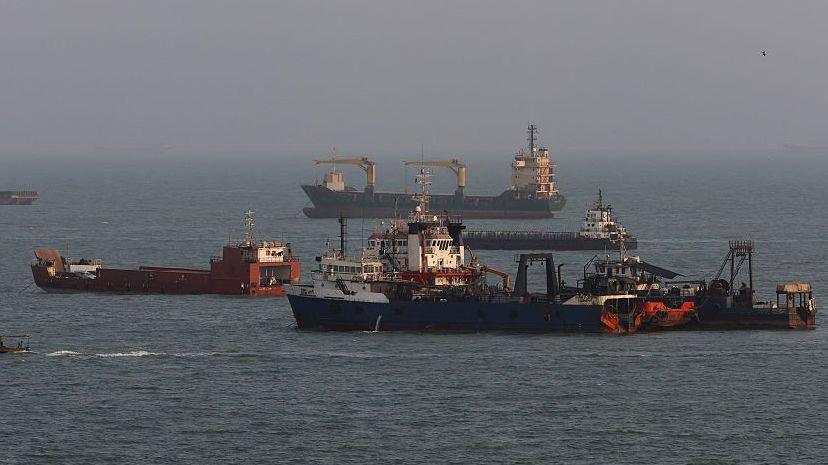
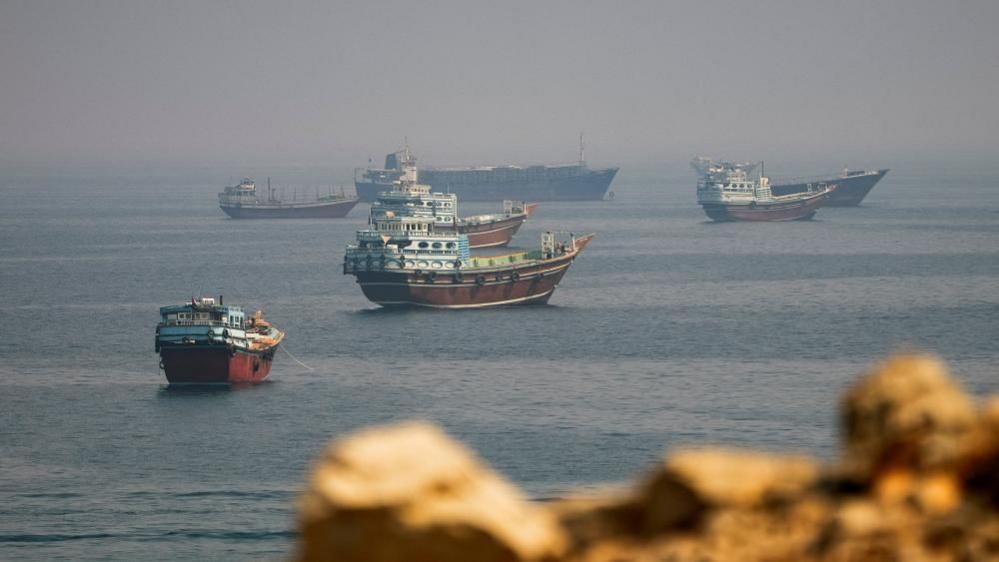
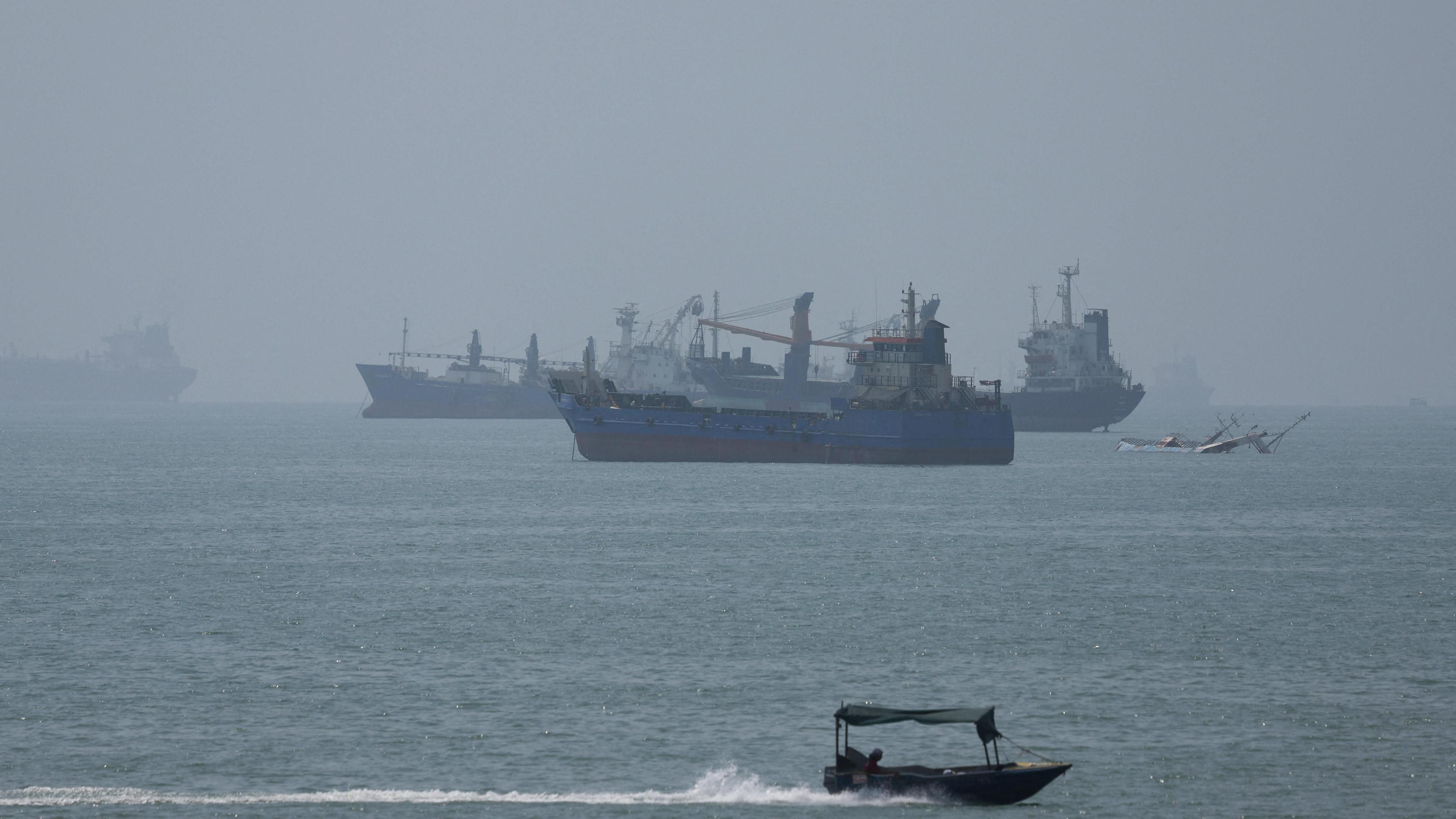
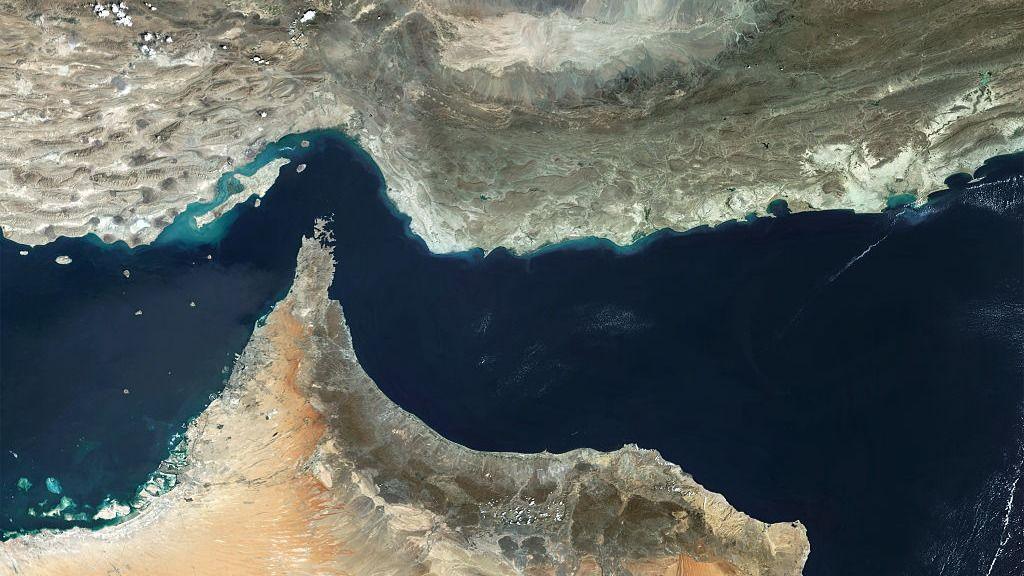
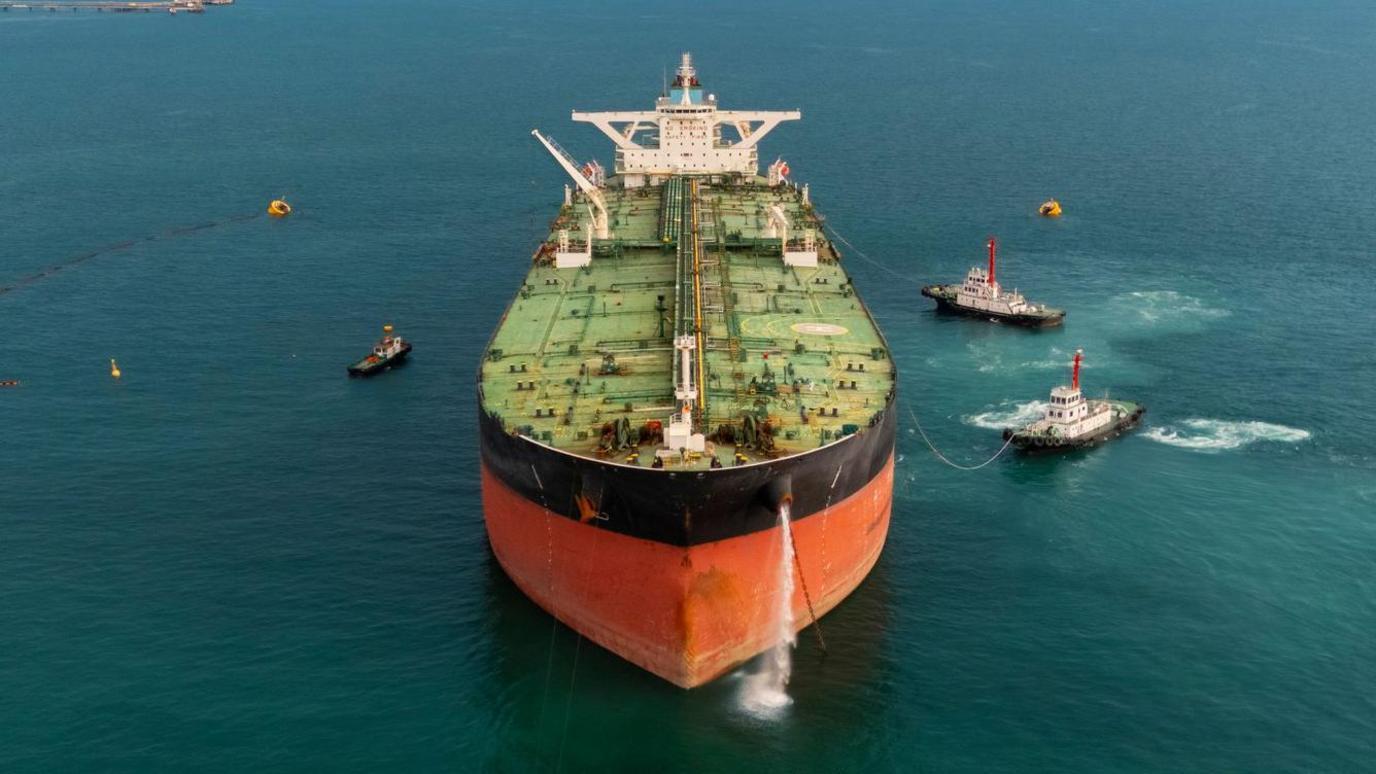
Oil tankers in the region are experiencing the most severe security threat since Iran’s 2022 blockade of the Strait of Hormuz. A fresh wave of Houthi attacks on Saudi‑powered tankers in the Red Sea, coupled with a sharp decline in traffic through the Hormuz waterway, has created a precarious environment for global shipping.
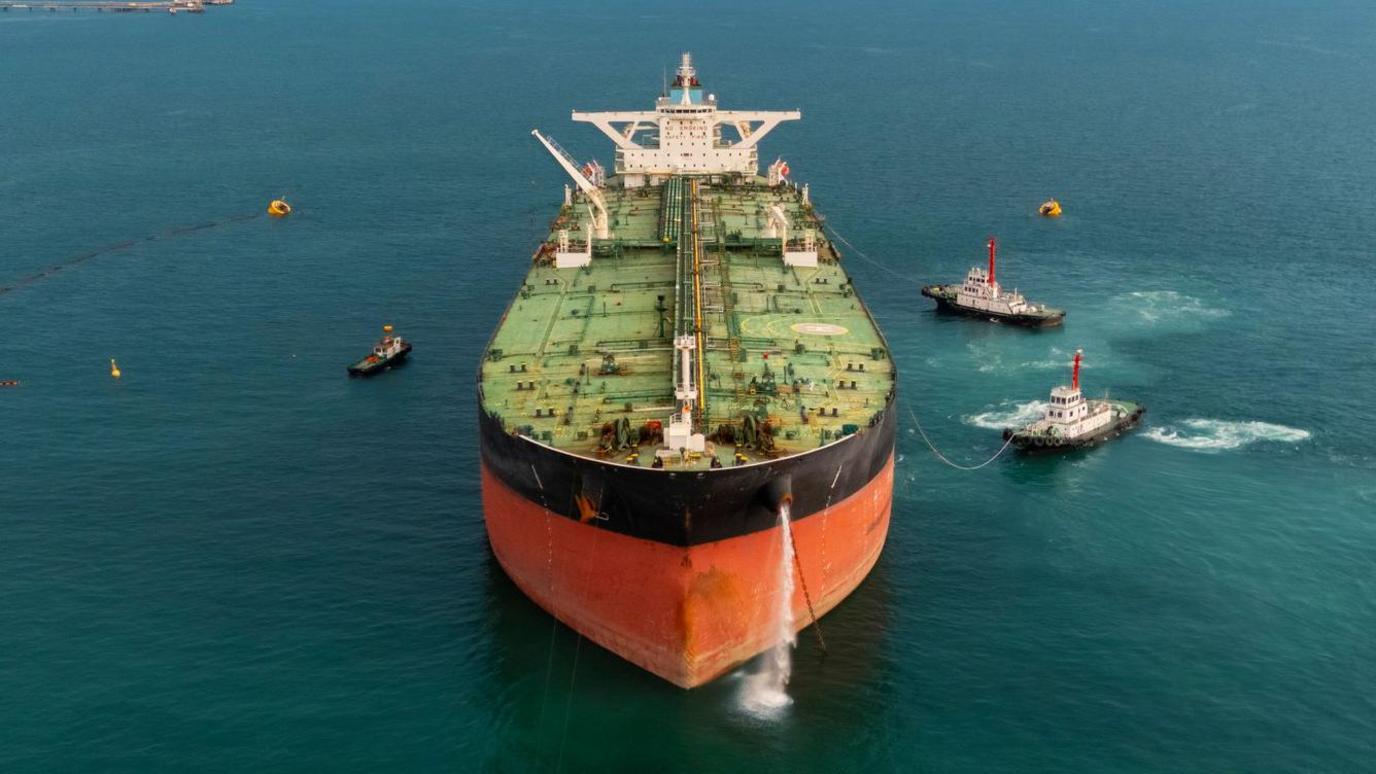
According to sensor‑based tracking firm Kpler, the strait saw only eight ships on Sunday and 11 on Saturday—down from over 100 ships per day before the conflict began. The reduced flow means that less than 20% of the world’s crude oil that used to pass through the Hormuz is being transported via the original route.
Rising tensions have forced many tankers to “go dark,” turning off their Vessel Identification System (Vessel‑Id) transponders to escape detection. Meanwhile, the Red Sea has become an alternative corridor, but Houthi forces have now targeted Saudi shipping along this path, further tightening the net around oil transport.
Matthew Wright, analyst at Kpler, said the threat to crude flows is the “worst” it has been since the war began. He added that if the Strait of Hormuz were to reopen, normal cargo flows would still take three to four months to re‑establish due to disrupted vessel deployments.
The industry’s reaction has been swift: tanker owners are monitoring warnings closely and re‑routing where possible. Energy markets have already pressed back—Brent crude slipped over 7% during the day following the latest escalation.
Iran claims it is negotiating with Oman to secure shipping lanes, but the ministry’s spokesman insists no immediate agreement can lift current restrictions without U.S. involvement. The uncertainty has amplified fears that the measures could be a “false start” without substantive concessions.
With the world still awaiting a resolution, the next few weeks will be crucial for shipping logistics, oil prices, and geopolitical stability. Analysts advise vigilance as the region’s maritime corridors continue to see heightened volatility.