Trump Postpones Planned Strikes on Iran, Signals New Negotiations
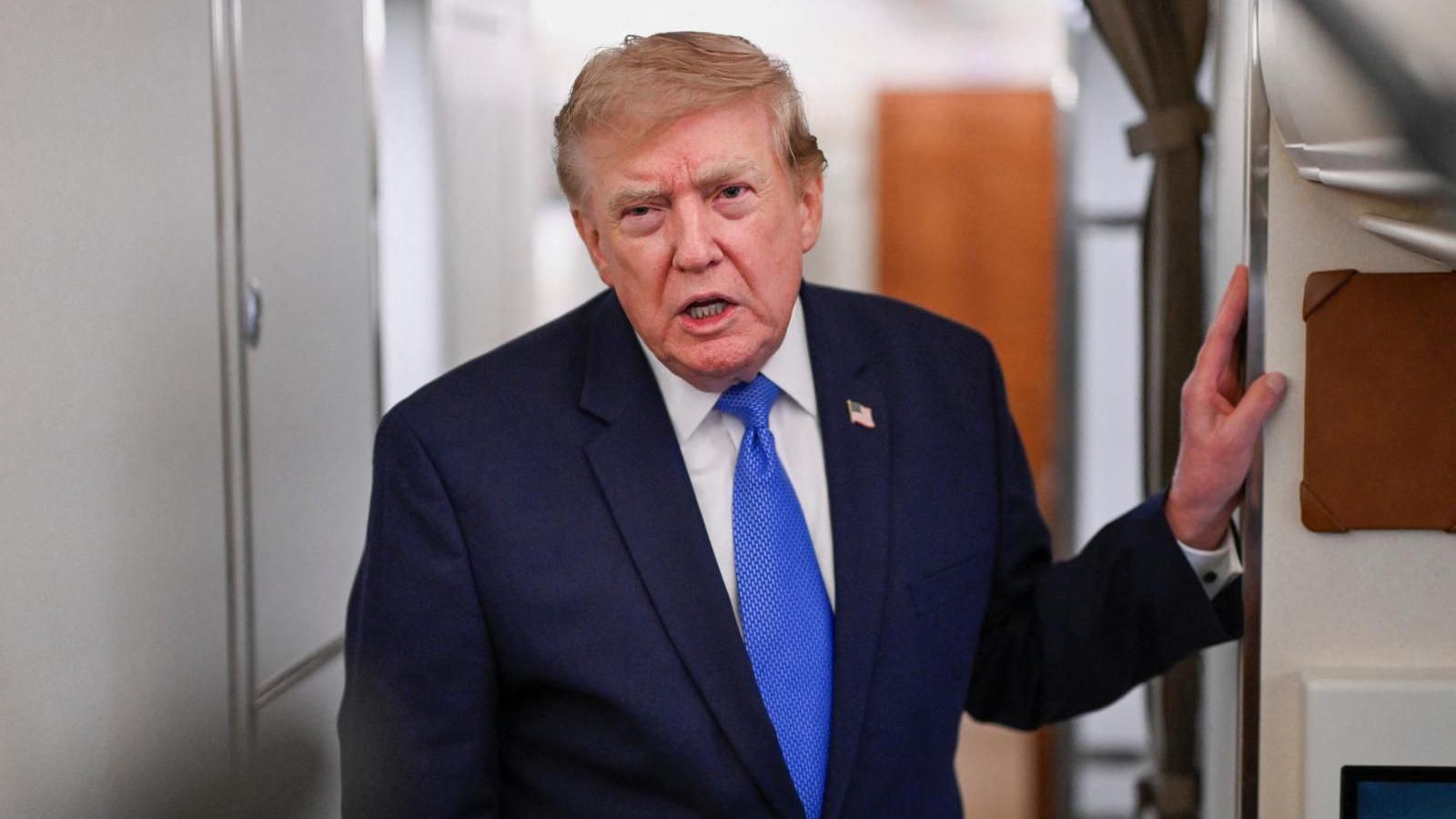
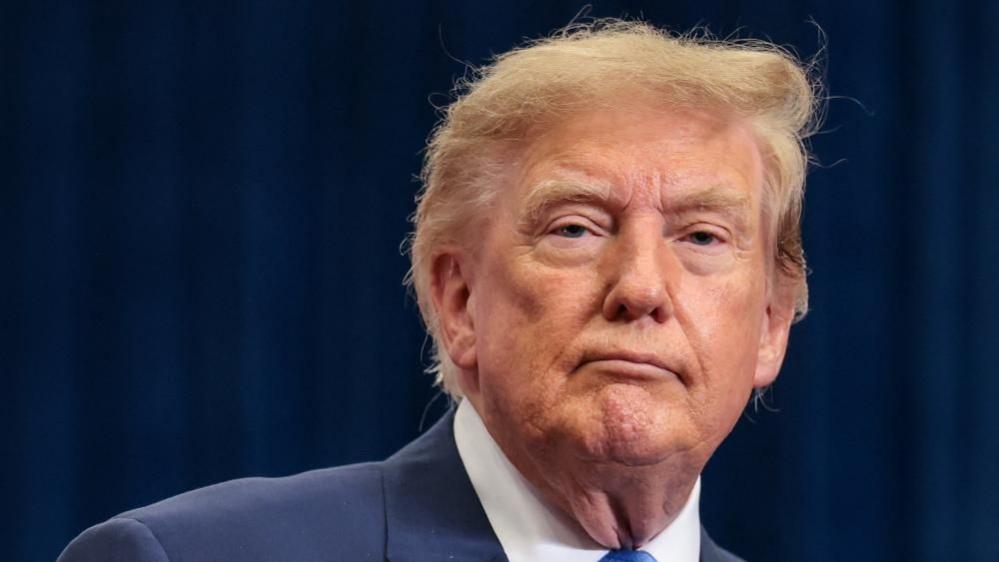
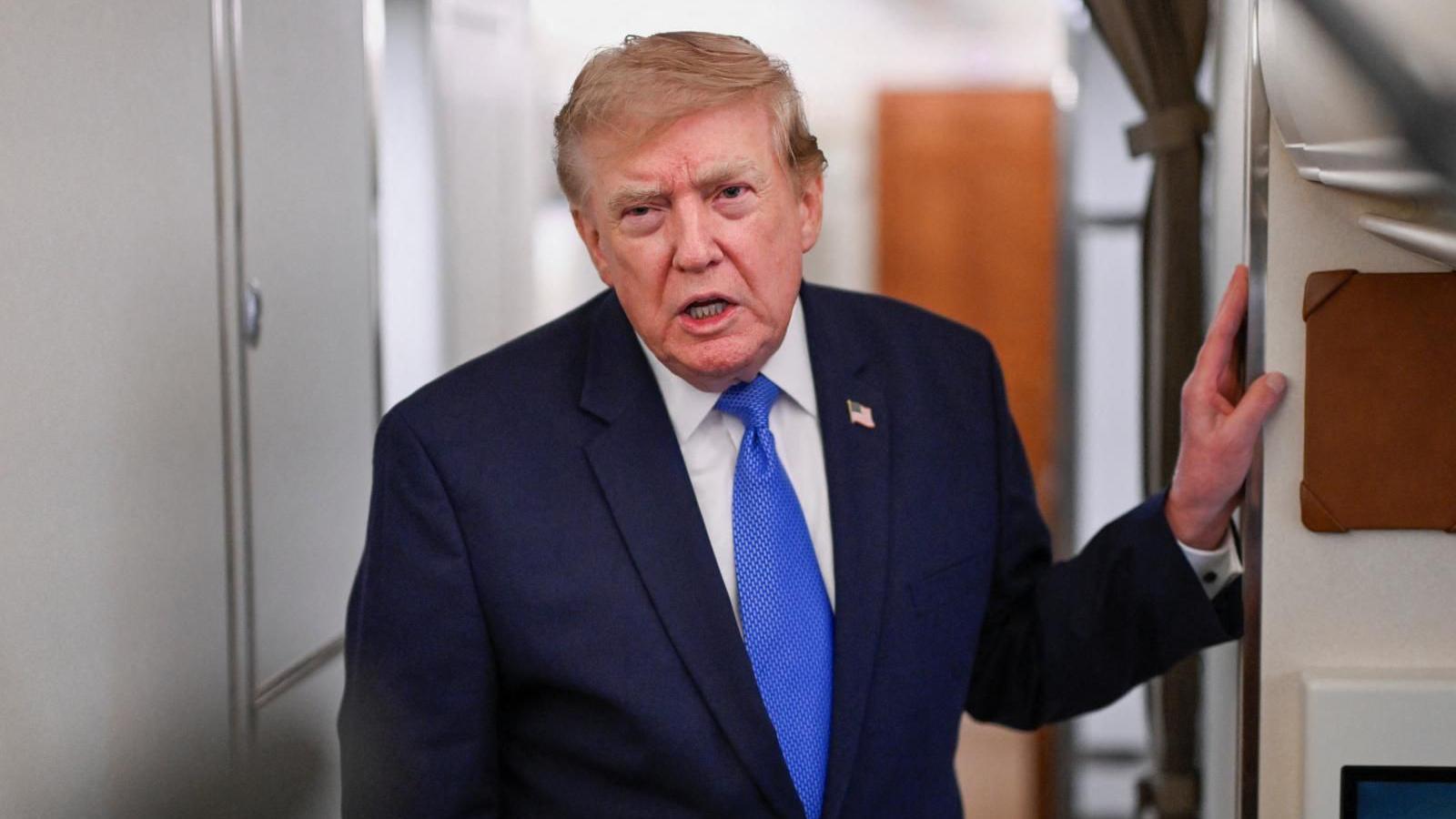
U.S. President Donald Trump announced that talks with Iran would begin on Monday, after cutting a “massive” strike that would have been the biggest attack since World War II. The announcement was made from Air Force One, as Trump told reporters that a “deal” had been finally agreed upon by the U.S. and allies, according to his truth‑social post.
Trump highlighted that Saudi Arabia’s Crown Prince Mohammed Bin Salman, along with the United Arab Emirates and Qatar, had urged him not to strike over the weekend. He added that a deal was already underway “on Hormuz” and that a comprehensive agreement would address Iranian nuclear ambitions.
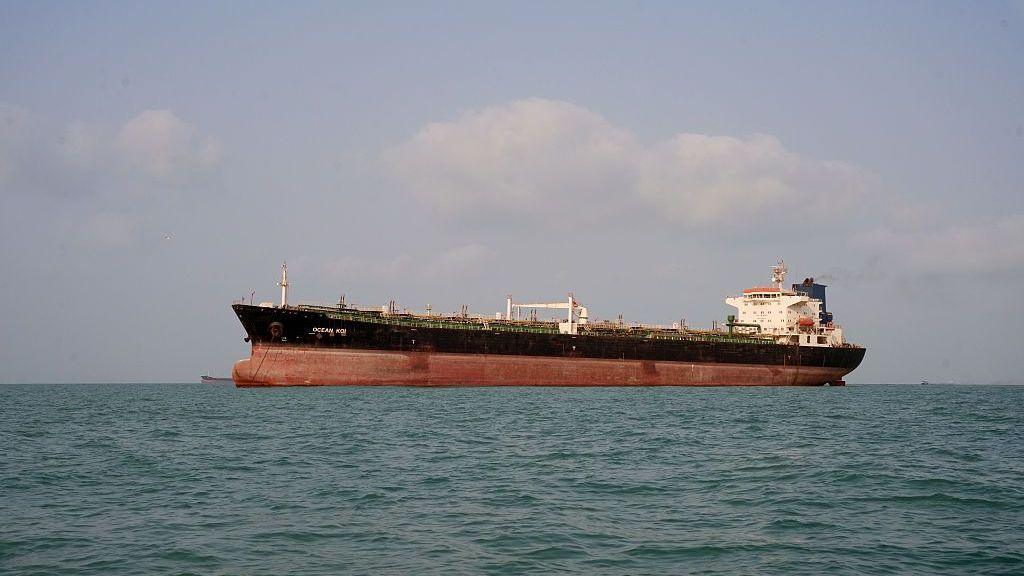
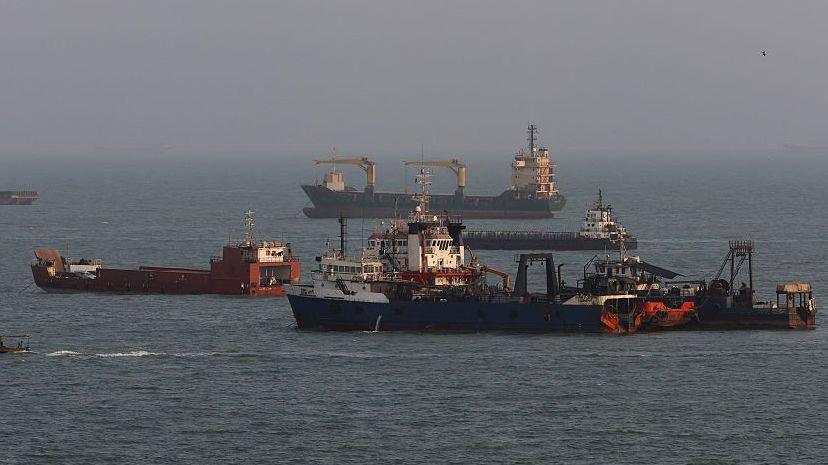
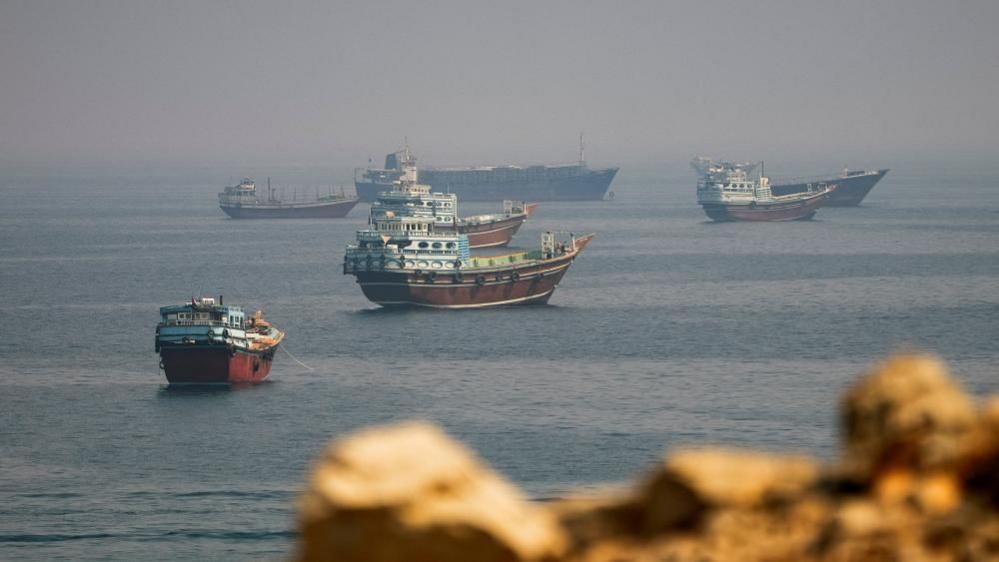
Oil markets reacted immediately, with Brent crude falling 4.5% to $83.98 and U.S. oil dropping 4.6% to $80.74 – the sharpest decline since the conflict began on 28 February. The Strait of Hormuz, through which about 20% of world oil and LNG passes, remains a flashpoint.
Iran’s semi‑official Mehr news agency disputed Trump’s claim that Tehran had asked for a halt, calling the assertion “nothing but a new lie.” Iranian Foreign Minister Abbas Araghchi said talks with Oman over the Hormuz deal were “on track for finalisation.”
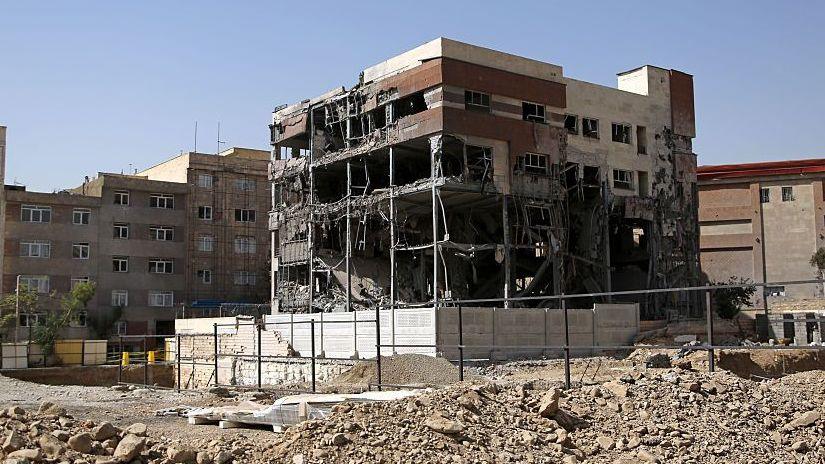
The U.S. president has not confirmed the location of the Monday talks, nor the attending officials. In his remarks he declined to address whether a strike on Iranian energy infrastructure was being planned, a move that international law experts say could constitute a war crime.
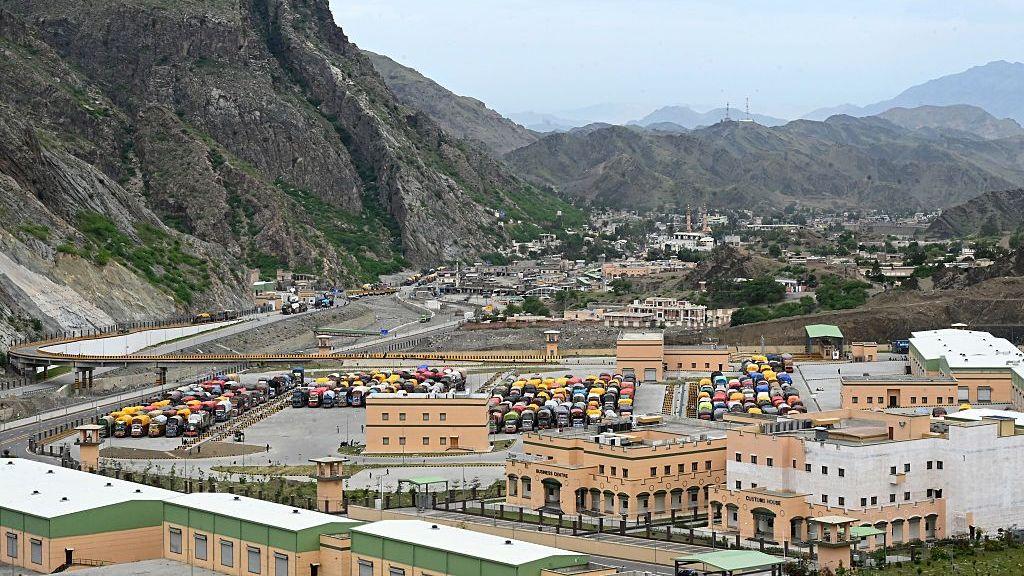
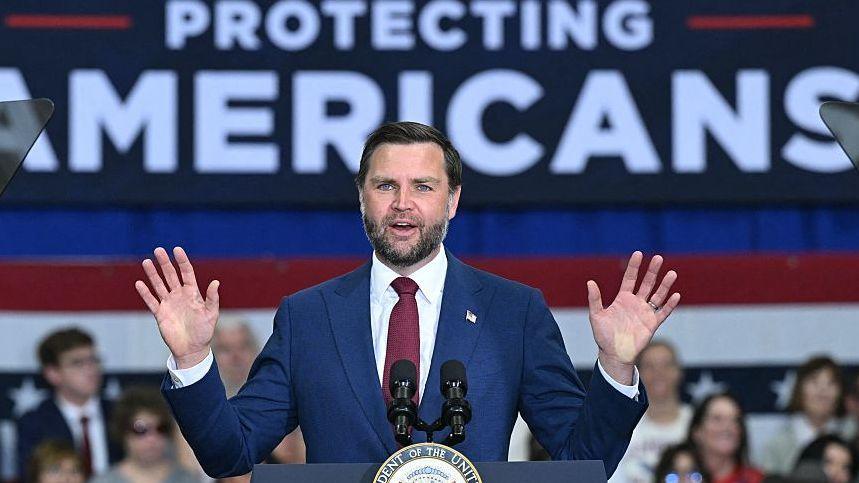
The latest development follows a series of threats by President Trump over the past week to “destroy” civilian Iranian infrastructure, which had previously sparked face‑to‑face talks in Pakistan led by Vice‑President JD Vance. Yet those negotiations did not yield a deal.
Polling indicates that the war’s economic impact and its popularity among Americans remain contentious issues, stirring concern among conservative strategists ahead of the November midterms.