Merz's German Identity Crisis: The Far‑Right Surge and Coalition Chaos
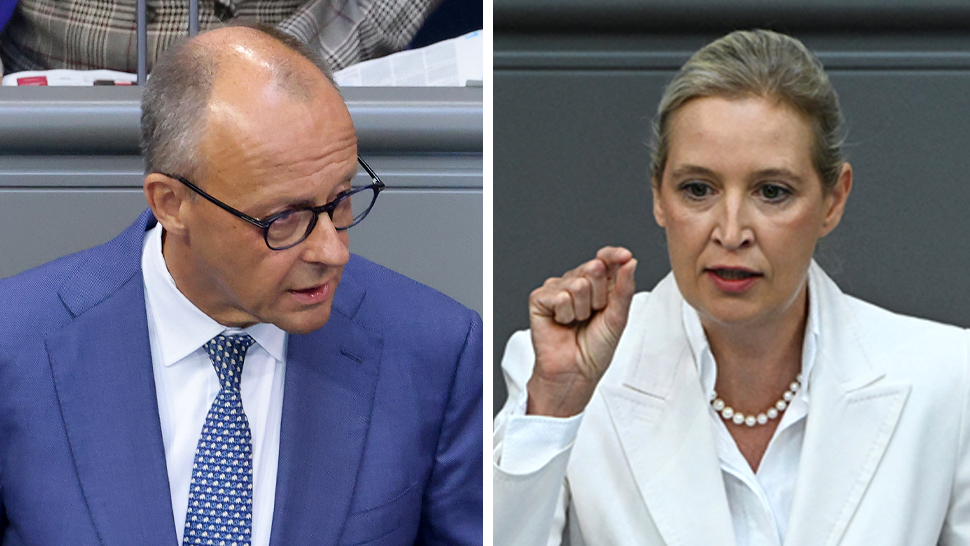
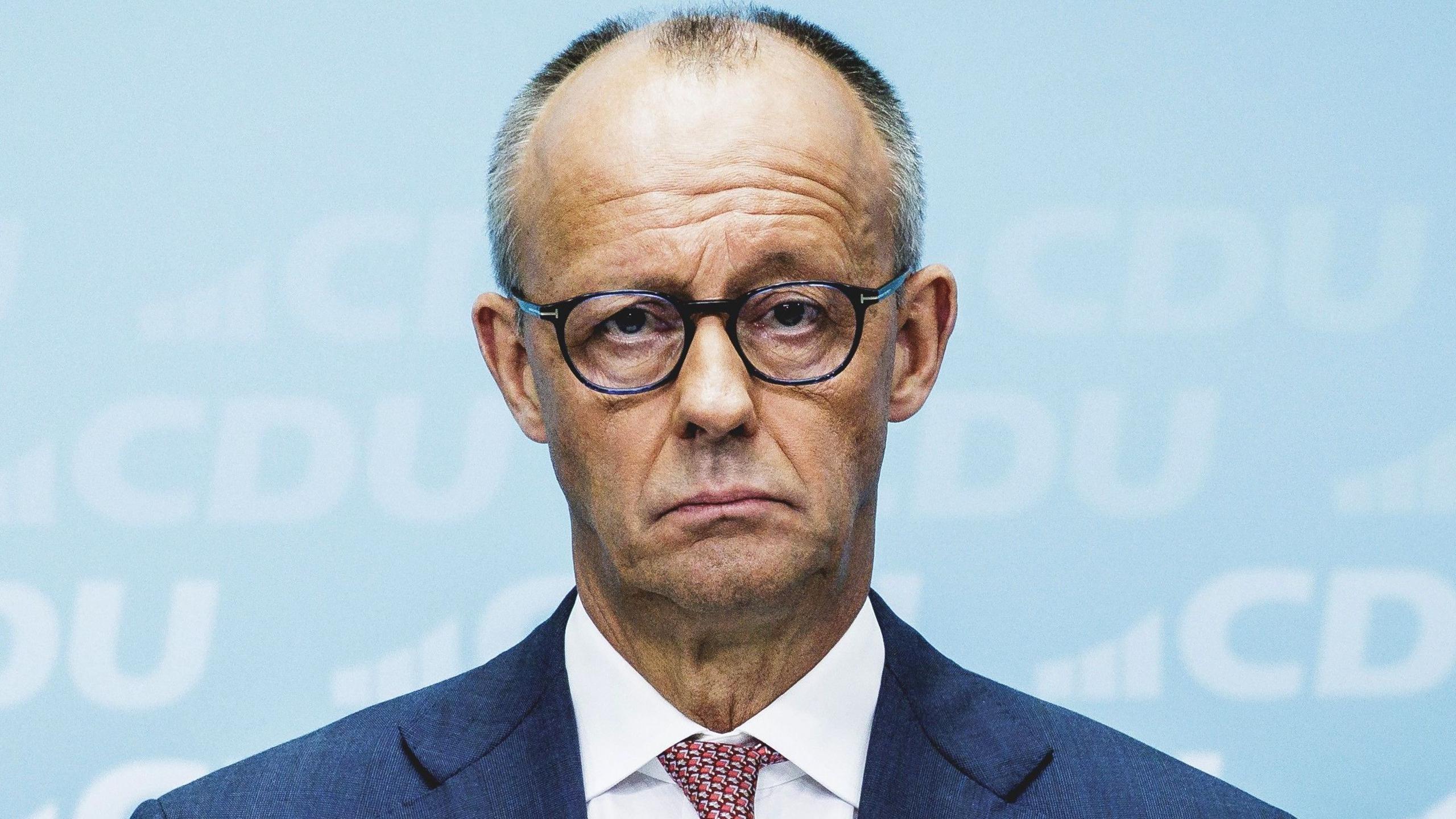
German politics has entered an uneasy period of uncertainty as a string of local election results have imperiled Chancellor Friedrich Merz’s fragile coalition, signalling a deeper challenge to the country’s political coherence.
Merz entered office in 2025 on a promise to reform immigration policy and rejuvenate an economy still reeling from the loss of cheap Russian gas. Yet within weeks, his own CDU suffered heavy losses in Berlin, Saxony‑Anhalt and Mecklenburg‑Western Pomerania, deepening fears of a political collapse.

At the heart of the turmoil lies the surging Alternative für Deutschland (AfD). The far‑right party has captured over 28% of the nationwide vote split and won decisive victories in eastern states, drawing sharp criticism for its Russia‑friendly stance and extremist positions in certain regions.
While the AfD’s swell appears to fuel the perception of a Germany in flux, other traditional forces are not immune to scrutiny. Die Linke (The Left) topped Copenhagen’s polls in Berlin, while longstanding party leaders have faced mounting claims of antisemitism, underscoring a nation wrestling with its political identity.
On the domestic front, German households continue to be burdened by high energy costs, and controversies over integration services persist. Amid these economic anxieties, the emergence of a climate of skepticism against the CDU and SPD is reshaping the electoral landscape.
In an effort to salvage stability, the CDU/CSU has urged a campaign of introspection and decisive reform, while critics argue that a Chancellor swap would offer little relief. Instead, the hope is that the alliance can recalibrate its policies to resonate with a populace demanding more accountability and tangible outcomes.