Saudi Arabia at Crossroads: Deterrence, Diplomacy and Rising Iranian Proxy Threats

Saudi Arabia has largely stayed out of the US‑Iran war since the conflict erupted on 28 February, but recent events have forced a shift in strategy.
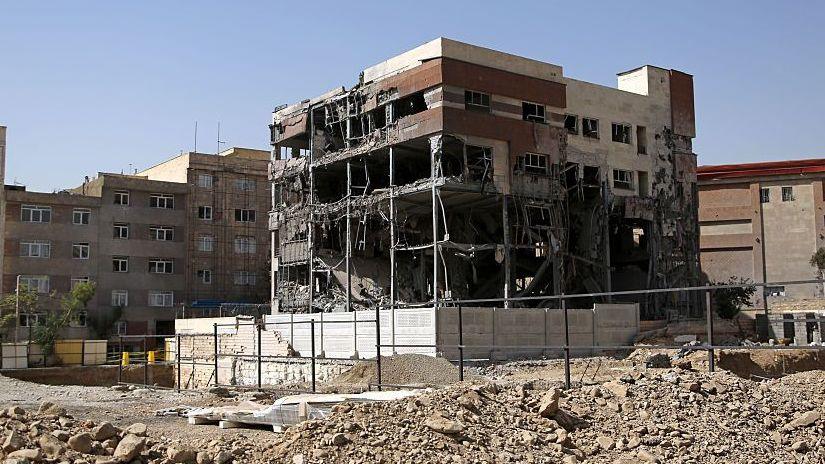
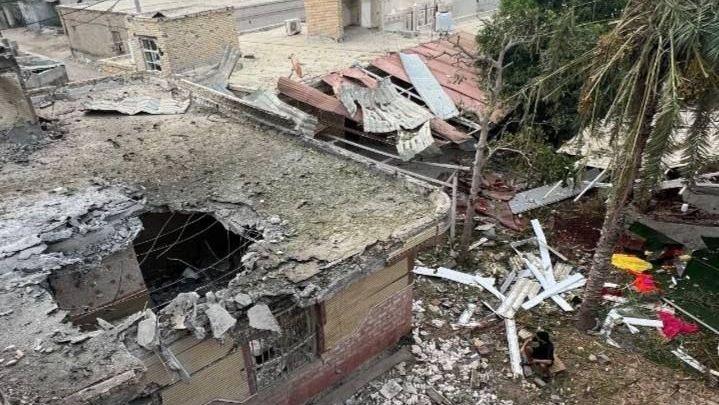
The kingdom’s frontline turned when Iranian proxy militias in Iraq launched a series of drones that struck its key oil facilities at Abqaiq and Khurais, crippling around half of Saudi exports for days. In response, Riyadh has joined the United States in carrying out targeted strikes against those militia bases, signalling a new willingness to use force.
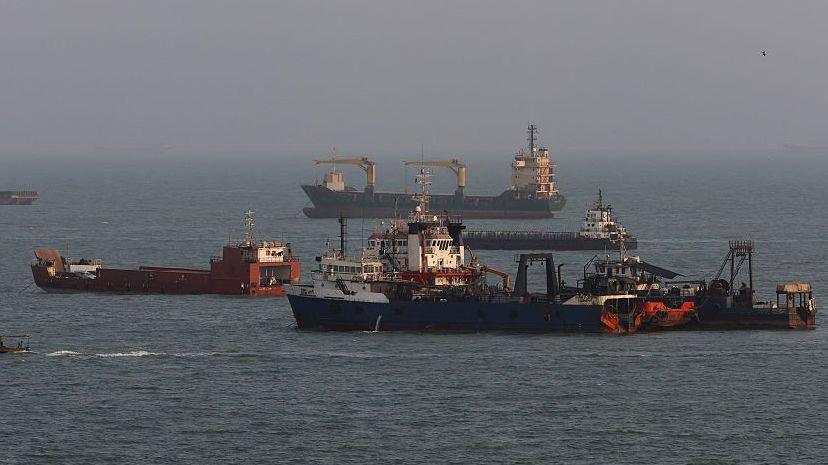
The dilemma, however, remains unchanged: should Saudi Arabia keep retaliating as a deterrent, or should it try to de‑escalate by negotiating or making concessions? The choice is complicated by concurrent Houthi attacks on Saudi airfields such as Abha and Jizan, and on shipping lanes in the Red Sea, which threaten the critical Bab El Mandeb waterway that links the Gulf to Asian markets.
The kingdom’s Vision 2030 plan – aimed at diversifying from oil and building modern industries – was designed with a stable geopolitical environment in mind. Yet the relentless pressure from Iranian-backed groups exposes the vulnerability of that framework and the potential need for a new national security strategy.
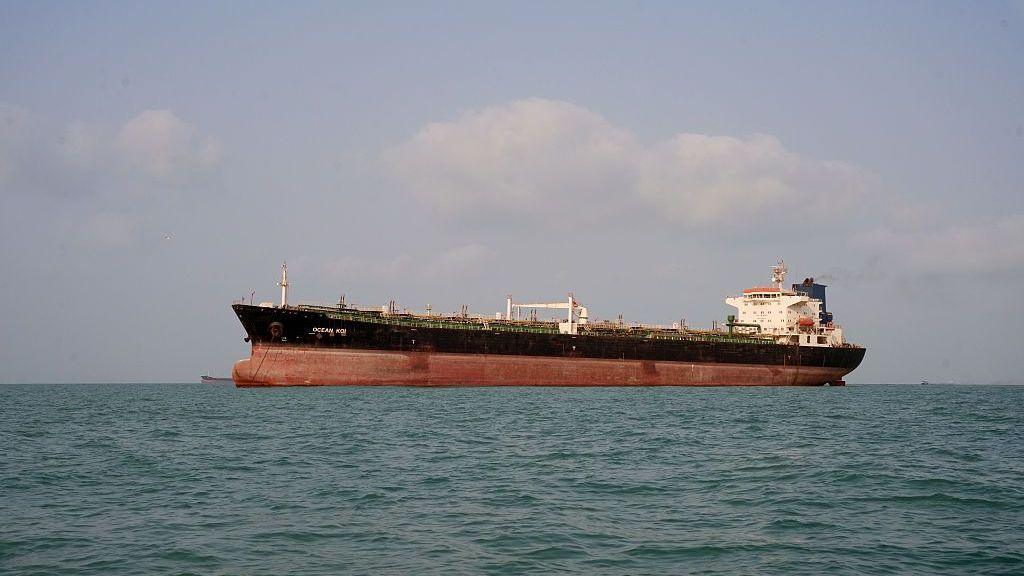
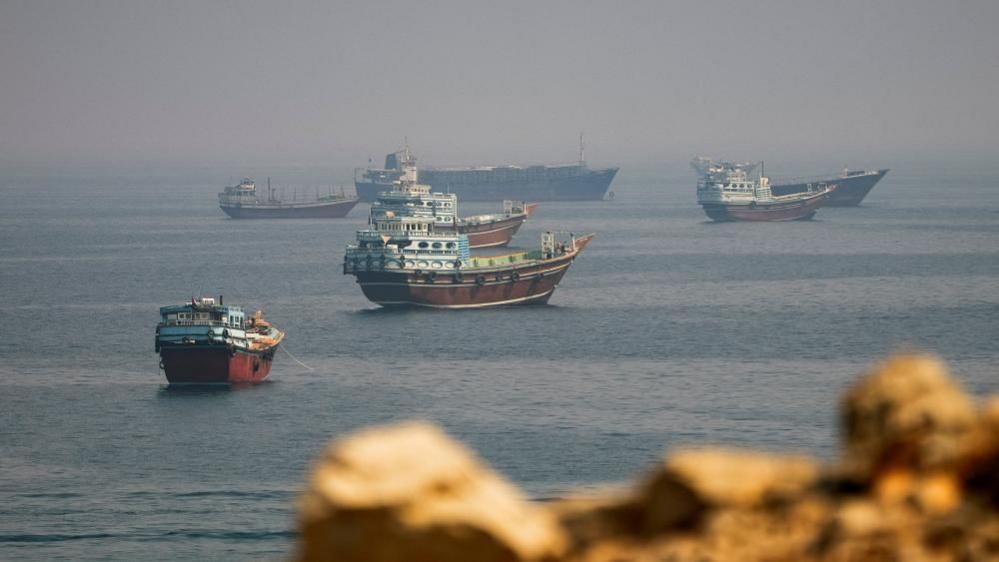
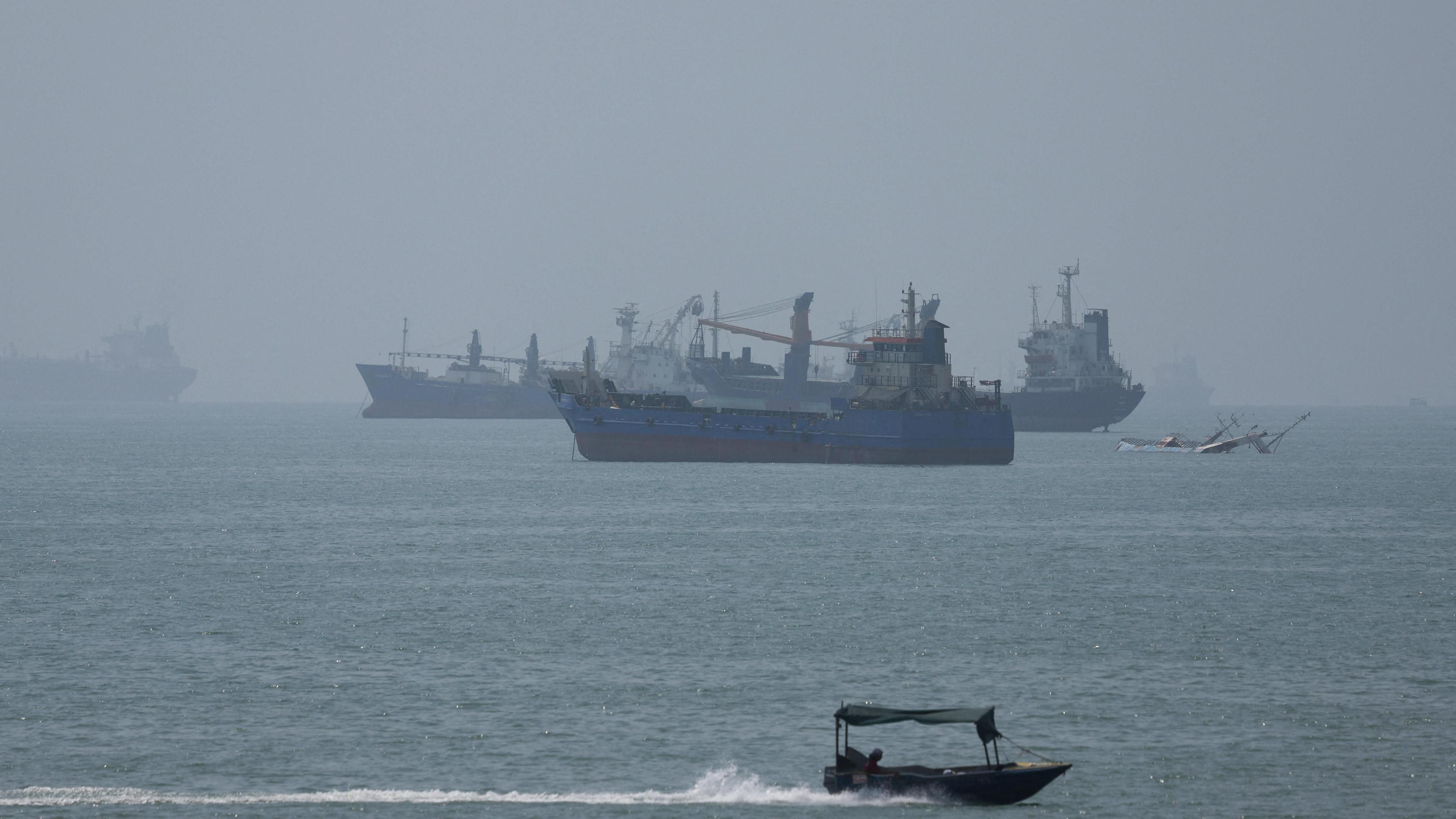
The Strait of Hormuz, a vital artery for 20% of world oil and liquefied natural gas, remains a flashpoint. Iran’s recent closure of the strait to commercial shipping has heightened the stakes, pushing Saudi Arabia to maintain secure passage for its pipelines and tankers.
Ultimately, Saudi Arabia stands at a crossroads. The balance of aggression and diplomacy will shape not only its immediate security but also the broader trajectory of Middle East geopolitics in the coming years.