The recent spotlight on Greenland, thanks to former President Donald Trump’s renewed interest in purchasing the territory, has set the stage for discussions about economic possibilities in the Arctic. While Trump's motivations appear tied to national security, many speculate that the true lure lies in Greenland's significant mineral resources. Nevertheless, broader economic development initiatives across this vast polar region have stalled, with geopolitical issues playing a significant role.
Working conditions in the Arctic today present formidable challenges, particularly for those like Norwegian fisherman Sondre Alnes-Bonesmo. The sun last rose in October and won't be seen again until mid-February, with temperatures plunging below minus 40°C. Alnes-Bonesmo spends five weeks aboard the Granit, one of the largest factory trawlers in Arctic waters, enduring harsh weather, treacherous waves, and relentless night.
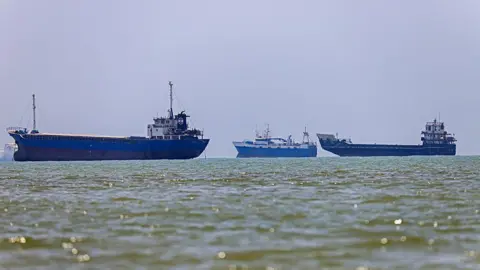
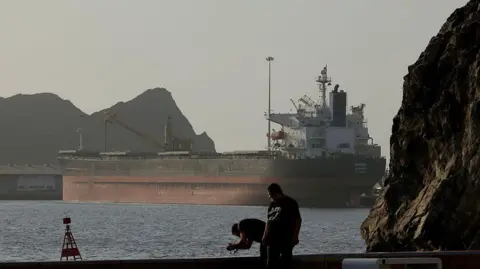
He is caught in what has been termed the "Arctic cold rush," a term reminiscent of the gold rush era, which became popular around 2008 as reports highlighted the region's vast hydrocarbon and mineral reserves. As climate change continues to reduce ice levels, these resources, along with extensive fishing stocks, were anticipated to become increasingly accessible. The yearly distances sailed by ships in Arctic waters have already seen an increase from 6.1 million to 12.9 million miles within a decade.
However, Alnes-Bonesmo now wonders if he arrived in the Arctic too late. The geopolitical landscape shifted dramatically following Russia's invasion of Ukraine in 2022, resulting in a freeze of numerous planned Arctic developments as relations with the West soured. Morten Mejlaender-Larsen, an Arctic operations director at DNV, noted that Russia had ambitious plans for the region, including new regional rescue centers to support shipping and energy projects, which have now largely stalled other than limited activity from Chinese vessels.
Norway has also suspended its oil and gas exploration ambitions in the area. Mejlaender-Larsen indicates, “We don’t expect to see any further developments in the Barents Sea,” a region crucial for energy exploration. This pause has been welcomed by environmentalists alarmed by the potential impacts of fossil fuel extraction on the Arctic's fragile ecosystem.
In the wake of these events, Helene Tofte from the Norwegian Shipowners Association pointed out that the allure of Arctic shipping opportunities may have been overstated. Despite climate change's influence, the Arctic's operating conditions remain extremely challenging. Significant investments in infrastructure, ships, and emergency response are necessary to make these logistical attempts feasible, leaving many operators skeptical of their commercial viability.
Contrary to past enthusiasm regarding undiscovered oil and gas resources in the Arctic, Professor Arild Moe from the Fridtjof Nansen Institute stresses that many calculations reported as promising were merely speculative and lacked certainty. Reports from 2008 failed to account for the immense difficulties and risks associated with extracting resources from the region.
As Trump reiterates intentions towards Greenland, both the Danish government and Greenland officials swiftly counter that the territory is not for sale. However, Trump remains poised to promote oil and gas exploration activities in Alaska's Arctic National Wildlife Refuge, an area previously opened for drilling during his administration.
Meanwhile, Canada continues its development of a deep-water port at Grays Bay, located along the Northwest Passage. While Alnes-Bonesmo reflects on his lucrative fishing endeavors, he laments the declining quotas aimed at preserving fish stocks. Nevertheless, his experiences at sea engender a deep respect and appreciation for the Arctic's formidable beauty and challenges.