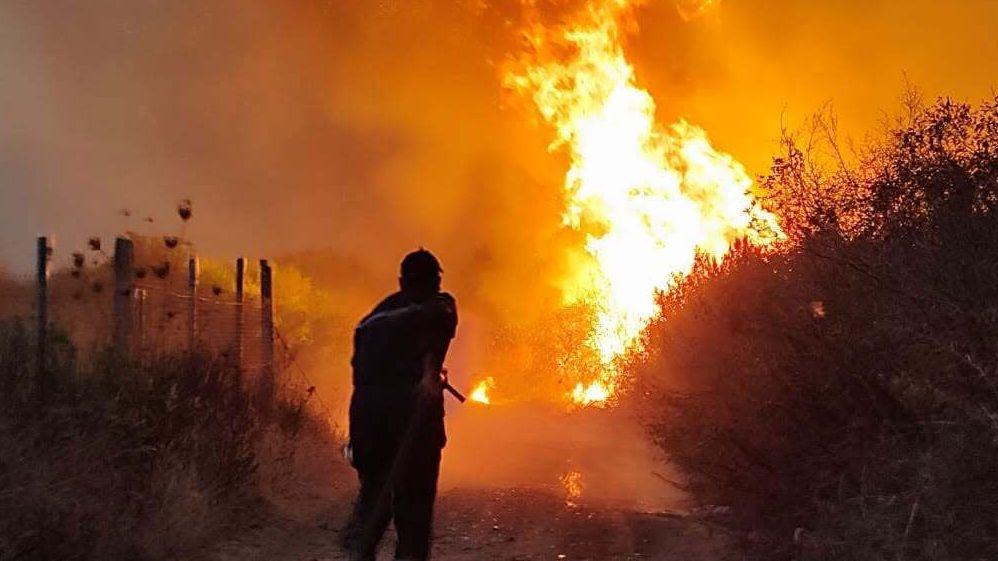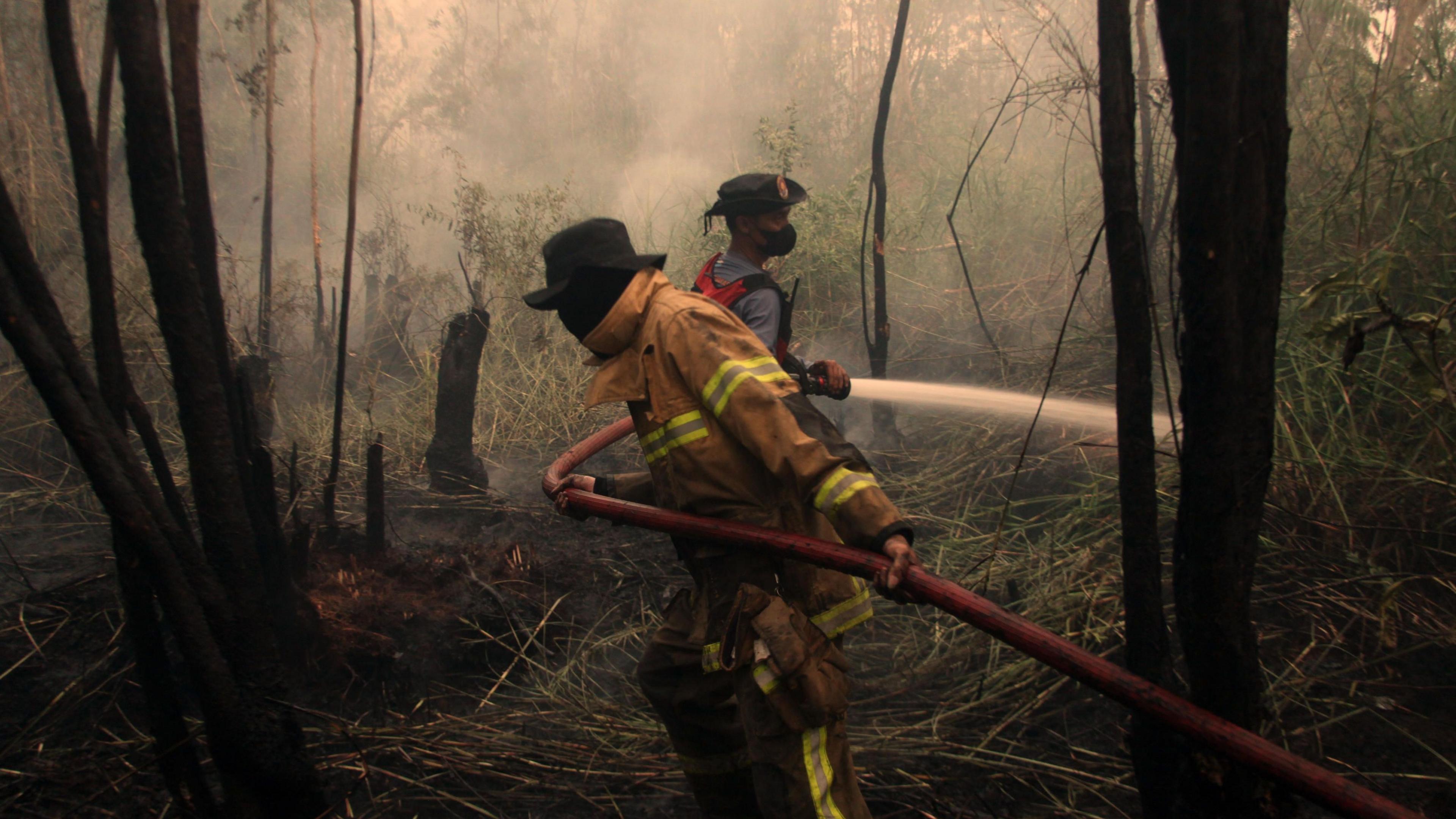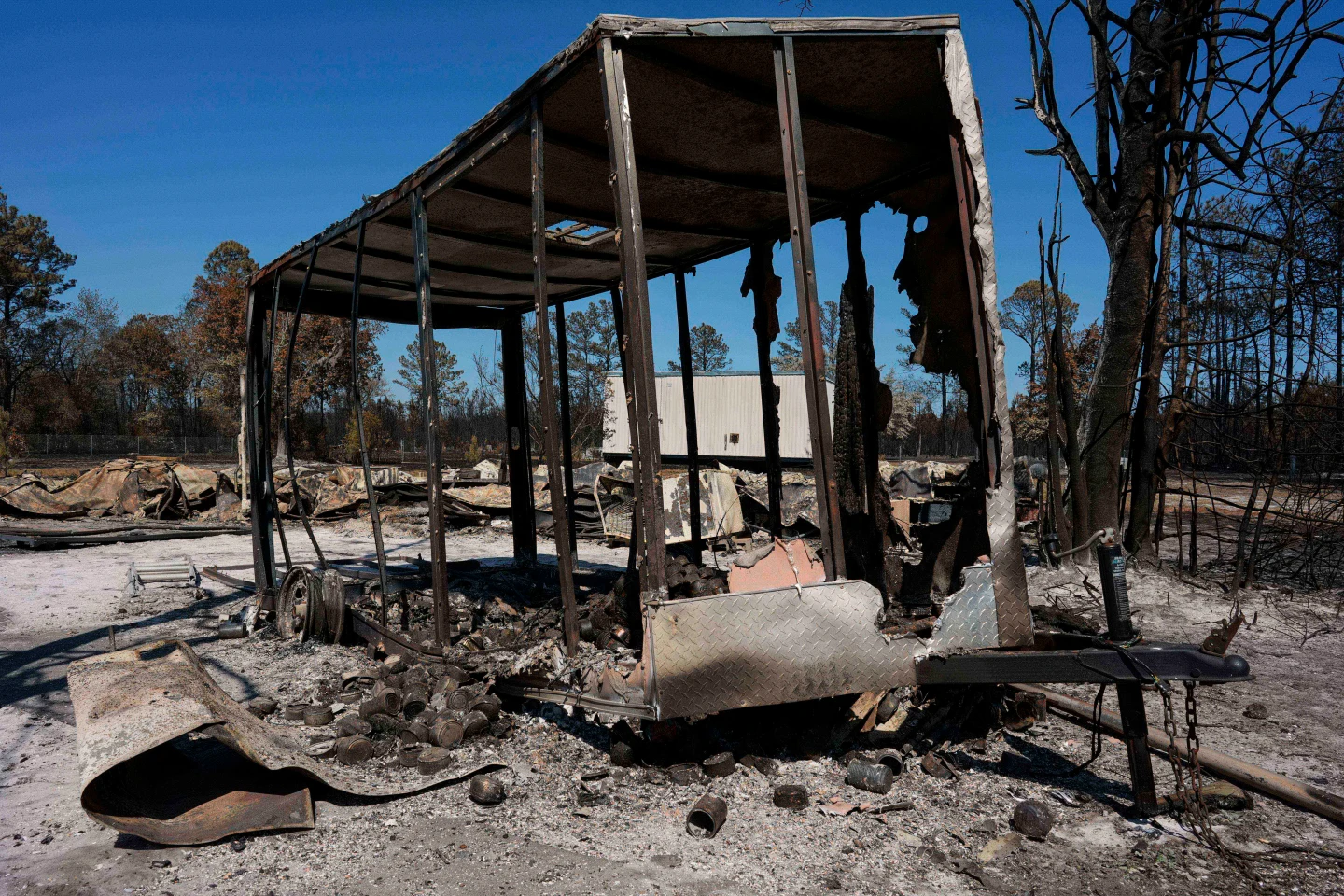
Wildfires are no longer confined to the Western United States; they are now becoming increasingly severe and damaging in the Eastern states as well. A recent wildfire in Georgia saw the destruction of over 50 homes, a stark reminder of the escalating threat posed by these blazes.
Scientists have identified several contributing factors to this alarming trend. Climate change is drying out fuel sources, enhancing their flammability, while a record drought has left vast areas vulnerable. The aftermath of Hurricane Helene in 2024 resulted in millions of tons of debris, providing additional fuel for wildfires. Coupled with densely populated regions near expanses of forests, the risks are significantly amplified.
This year alone, around 2,802 square miles (7,258 square kilometers) of land across the United States has succumbed to wildfires, marking an 88% increase compared to the 10-year average for this period, significantly affecting states that typically do not experience such wildfires like Nebraska.
Mike Flannigan, a fire scientist with Thompson Rivers University, emphasized the concerning correlation between rising temperatures and increased fire activity. “The warmer we get, the more fire we see. Longer fire seasons, more lightning possibly, and drier fuels,” he stated. This is leading to not only more frequent wildfires but also more intense ones in Eastern regions.
Change in Fire Dynamics
According to a 2023 study by fire ecologists from the University of Florida, there has been an increase in large fires, their likelihood, and the amount of land burned in the Southeastern U.S. from 1984 to 2020. As Victoria Donovan, one of the study's authors remarked, fires in the East have traditionally been smaller than those in the West, which may explain the lack of attention. However, the dynamics are shifting, and the region needs to adapt to these changes promptly.
In particular, the study highlighted that 45% of all large wildfires in the East interact with the wildland-urban interface (WUI), meaning urban areas are increasingly at risk from wildfires that intersect with developed land.
A week prior to the Georgia fires, officials had been tracking weather patterns and the potential for increased fire risk, noting the high number of dead trees from Hurricane Helene created a hazardous build-up of fuel. Nick Nauslar from the National Weather Service pointed out that this situation has prompted authorities to be on alert for fire outbreaks, especially in warmer, drier conditions.
In summary, the Eastern U.S. is witnessing a dramatic increase in wildfire incidents due to climate change factors, prompting scientists to call for research and management adaptations to better handle this emerging crisis.