As the effects of climate change intensify, Iowa's largest city, Des Moines, faces an increasing challenge with nitrate pollution in its drinking water sources, particularly during winter months. When pollution levels elevate, the city spends approximately $16,000 daily to operate a specialized filtration system. This financial burden underscores a broader public health concern tied to the agricultural sector's reliance on fertilizers and pesticides.
According to Iowa's state climatologist, Justin Glisan, conditions such as higher winter temperatures are creating an environment where nitrate pollution is more likely to occur, transforming a seasonal problem into a year-long concern. In fact, Des Moines has had to implement filtration measures during winter for only the second time in over 30 years. This trend indicates that residents may face increased water bills as the problem escalates.
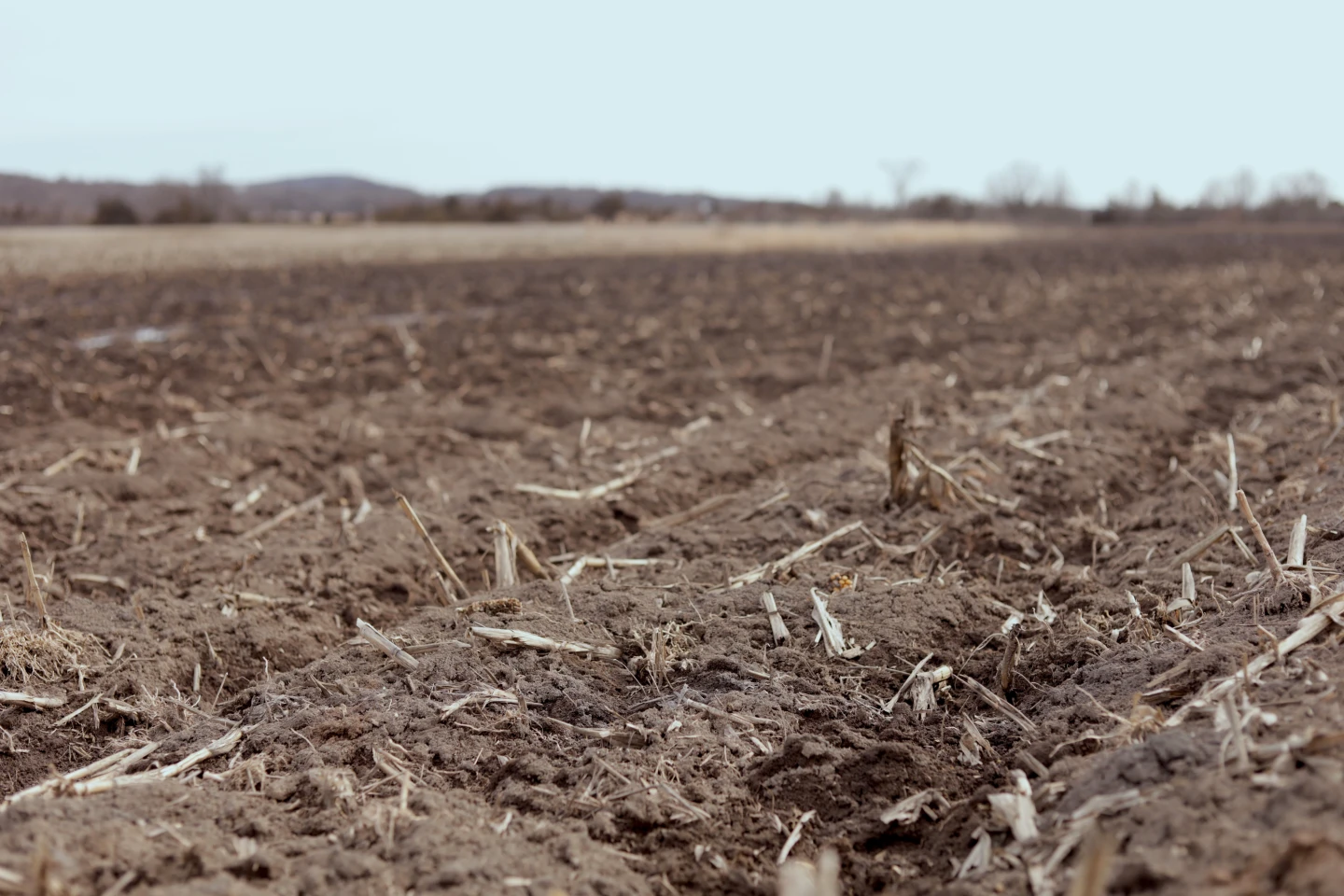
Nitrates from fertilizers infiltrate soil and waterways, endangering health by causing serious issues like cancer and low oxygen levels in infants, known as blue baby syndrome. Moreover, the warming climate not only facilitates these events but also exacerbates the situation through extreme weather phenomena—from droughts to intense rainfall—causing significant nutrient runoff.
Researchers now link the unpredictable climate patterns with more frequent and severe nitrate pollution events, further complicating water quality management. We will likely witness such events with greater frequency in the future, though not necessarily every year, notes Glisan.
Low-income and rural communities, particularly those who depend on private well water, are at a higher risk. A lack of filtration systems and the ongoing escalation of pollution not only jeopardizes public health but also raises serious economic implications for these communities.
As state regulations struggle to curb agricultural pollution amid pressure from farming lobbyists, community leaders and environmentalists emphasize the necessity for conservation efforts. Des Moines Water Works' CEO, Amy Kahler, stresses the two viable paths: implement responsible watershed practices or face hefty treatment costs.
The state has witnessed the consequences of unruly nutrient runoff, with scientists and policy makers advocating for more research to understand the dynamics of changing climate, agricultural practices, and their combined impact on nitrate levels in water. As we grapple with these challenges, the importance of responsible resource management is clear.